




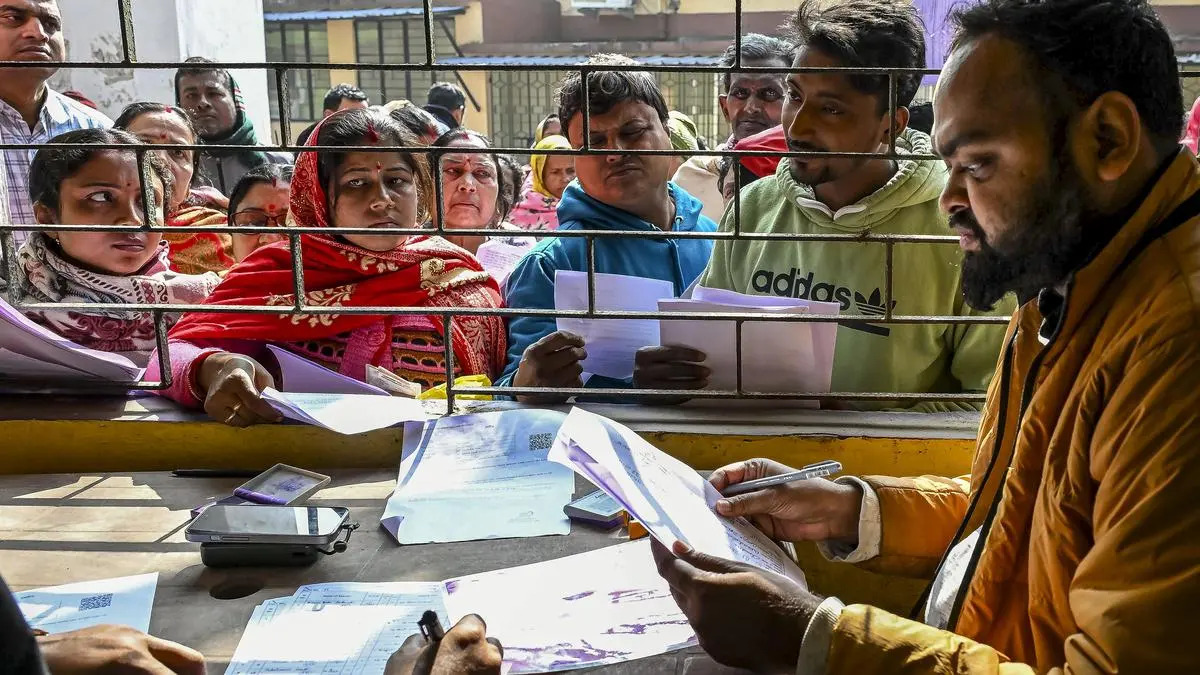
Three United Nations Special Rapporteurs have raised concerns over the Election Commission of India’s ongoing Special Intensive Revision (SIR) of electoral rolls, questioning the reported use of AI driven systems, large scale voter deletions and their potential impact on minority communities.
In a communication sent to the Government of India on May 1, the three independent experts said they had received allegations that the SIR process had resulted in the large scale removal of names from electoral rolls, particularly affecting members of minority groups. The communication was issued by the UN Special Rapporteur on minority issues, the Special Rapporteur on the promotion and protection of the right to freedom of opinion and expression, and the Special Rapporteur on freedom of religion or belief.
The communication raises concerns over several aspects of the revision exercise. These include the reported use of opaque AI driven systems that lack transparency and effective remedies, deletion of voter names on weak grounds such as spelling variations, limited time for voters to submit supporting documents, and inadequate mechanisms for appealing exclusions. It also refers to political rhetoric that, according to the communication, may contribute to the exclusion of minority communities.
Among the examples cited is Nandigram in West Bengal, where the communication refers to reports alleging that 95 percent of deleted voters were Muslims, despite Muslims accounting for about 25 percent of the constituency’s electorate. The communication presents these as reported allegations and seeks clarification from the Government of India.
The rapporteurs have asked the Government to respond to seven questions, including details on the use of technology during the SIR process, safeguards against discrimination, the appeals process available to excluded voters, and data on the religion and ethnicity of those removed from electoral rolls.
Under the UN Special Procedures mechanism, governments are given an opportunity to respond before communications and official replies are made public. The communication does not constitute a legal finding or determination of wrongdoing. Instead, it forms part of the UN’s established process for seeking clarification from governments on reported human rights concerns.
Source: The HinduThree United Nations Special Rapporteurs have raised concerns over the Election Commission of India’s ongoing Special Intensive Revision (SIR) of electoral rolls, questioning the reported use of AI driven systems, large scale voter deletions and their potential impact on minority communities.
In a communication sent to the Government of India on May 1, the three independent experts said they had received allegations that the SIR process had resulted in the large scale removal of names from electoral rolls, particularly affecting members of minority groups. The communication was issued by the UN Special Rapporteur on minority issues, the Special Rapporteur on the promotion and protection of the right to freedom of opinion and expression, and the Special Rapporteur on freedom of religion or belief.
The communication raises concerns over several aspects of the revision exercise. These include the reported use of opaque AI driven systems that lack transparency and effective remedies, deletion of voter names on weak grounds such as spelling variations, limited time for voters to submit supporting documents, and inadequate mechanisms for appealing exclusions. It also refers to political rhetoric that, according to the communication, may contribute to the exclusion of minority communities.
Among the examples cited is Nandigram in West Bengal, where the communication refers to reports alleging that 95 percent of deleted voters were Muslims, despite Muslims accounting for about 25 percent of the constituency’s electorate. The communication presents these as reported allegations and seeks clarification from the Government of India.
The rapporteurs have asked the Government to respond to seven questions, including details on the use of technology during the SIR process, safeguards against discrimination, the appeals process available to excluded voters, and data on the religion and ethnicity of those removed from electoral rolls.
Under the UN Special Procedures mechanism, governments are given an opportunity to respond before communications and official replies are made public. The communication does not constitute a legal finding or determination of wrongdoing. Instead, it forms part of the UN’s established process for seeking clarification from governments on reported human rights concerns.
Source: The Hindu