




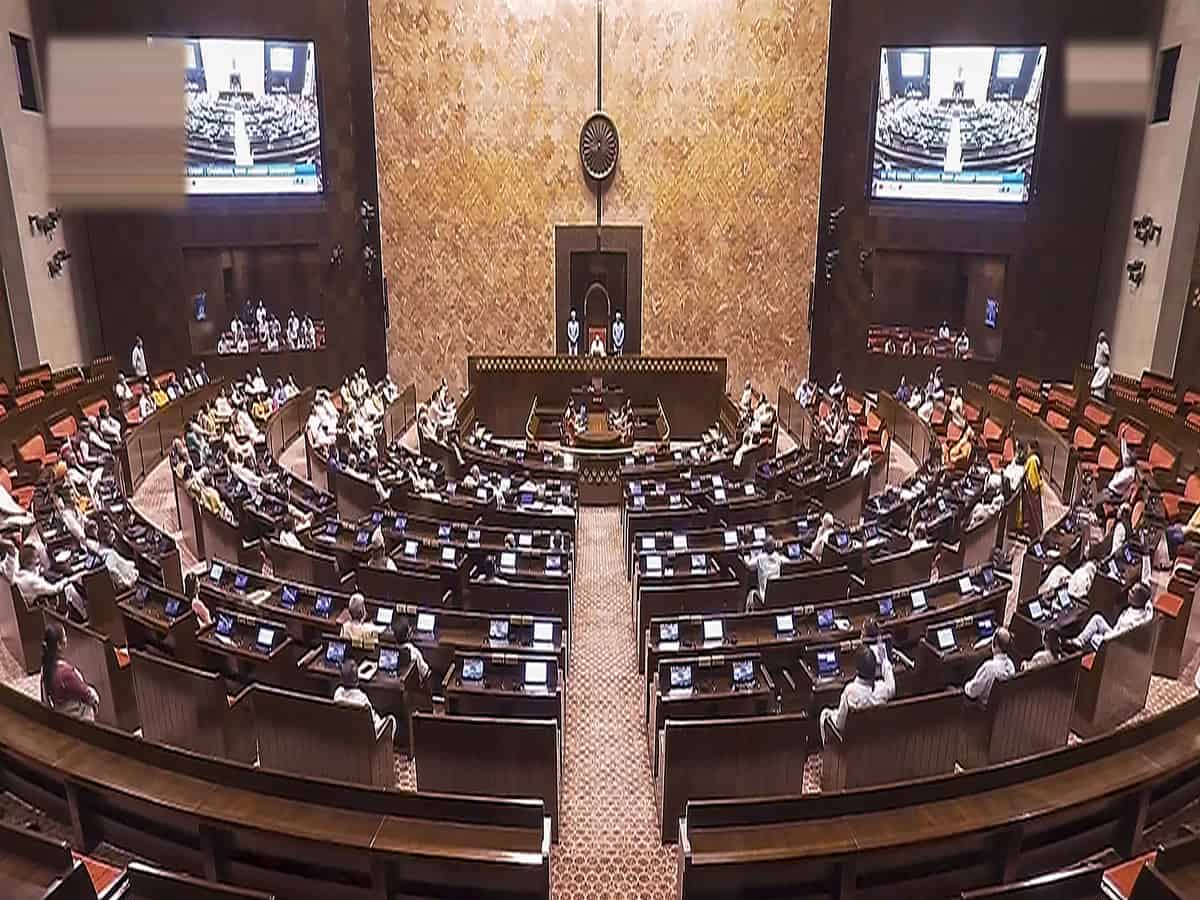
The Centre is set to introduce The Prevention of Insults to National Honour (Amendment) Bill, 2026 in the Rajya Sabha, proposing to make intentional obstruction or disturbance during the singing of Vande Mataram a criminal offence.
The amendment seeks to bring the national song under the ambit of the Prevention of Insults to National Honour Act, 1971, which currently criminalises acts of disrespect towards the national flag, the Constitution and the national anthem. If enacted, intentionally preventing the singing of Vande Mataram or disrupting an assembly engaged in its rendition could attract imprisonment of up to three years, a fine, or both.
According to the Bill, the amendment is intended to address the absence of a specific legal provision protecting the national song. The government has argued that Vande Mataram holds a unique place in India’s freedom movement and deserves legal protection equivalent to that of the national anthem. The proposal also refers to former President Dr Rajendra Prasad’s statement in the Constituent Assembly that the national song should be honoured equally with Jana Gana Mana.
The proposed legislation has, however, sparked opposition from some quarters. CPM Rajya Sabha MP John Brittas has written to Union Home Minister Amit Shah requesting that the Bill be withdrawn. While acknowledging Vande Mataram’s historic contribution to India’s independence movement, Brittas argued that criminalising conduct related to its singing risks upsetting the constitutional balance between respect for national symbols and individual freedoms.
He also pointed to the historical debates surrounding portions of the song that contain religious imagery, noting that only the opening stanzas came to be adopted for official public functions following deliberations during the freedom movement.
The Bill is listed for introduction today which is the first day of the Monsoon Session of Parliament. If passed, it would place Vande Mataram on the same legal footing as the national anthem in matters relating to intentional obstruction or disturbance during its rendition, setting the stage for a broader parliamentary debate on national symbols, constitutional values and the scope of criminal law.
Source: Indian Express