




India’s ODI series defeat to England exposed more than selection problems. It has highlighted the absence of a settled blueprint for the 2027 World Cup. With less than two years to go for the World Cup, India still appears to be searching for the right balance, the right combinations and clearly defined roles. The series showed flashes of individual quality, but it also underlined the absence of a settled blueprint.
The XI has changed frequently, the middle order has lacked continuity, and the balance between batting depth and bowling firepower has rarely looked convincing. Rather than searching for short-term solutions, the focus now should be on building a team with clearly defined roles.
India’s bowling attack has often looked one-dimensional without Kuldeep Yadav. Wrist spin remains one of the biggest wicket-taking weapons in ODI cricket, particularly in the middle overs, and Kuldeep offers something no other Indian spinner does. Alongside him, Mohammed Siraj deserves to return as a first-choice seamer. His ability to strike with the new ball and break partnerships has been one of India’s biggest strengths in the format over the last few years.
The batting unit also needs stability. India’s middle order has been shuffled too often, making it difficult for players to settle into specific roles. The wicketkeeper’s spot has suffered from the same uncertainty. Whether the management backs KL Rahul, Ishan Kishan or another option, the decision needs to be made early and persisted with. Successful ODI teams are built on partnerships and role clarity, not constant rotation.
Perhaps the biggest lesson from this series defeat to England is that India should stop prioritising utility over expertise. Too often, the XI has been picked to maximise the number of players who can contribute in multiple disciplines, even if it means leaving out specialists capable of winning games in their primary role.
Ironically, the balance India is searching for may already have an answer.
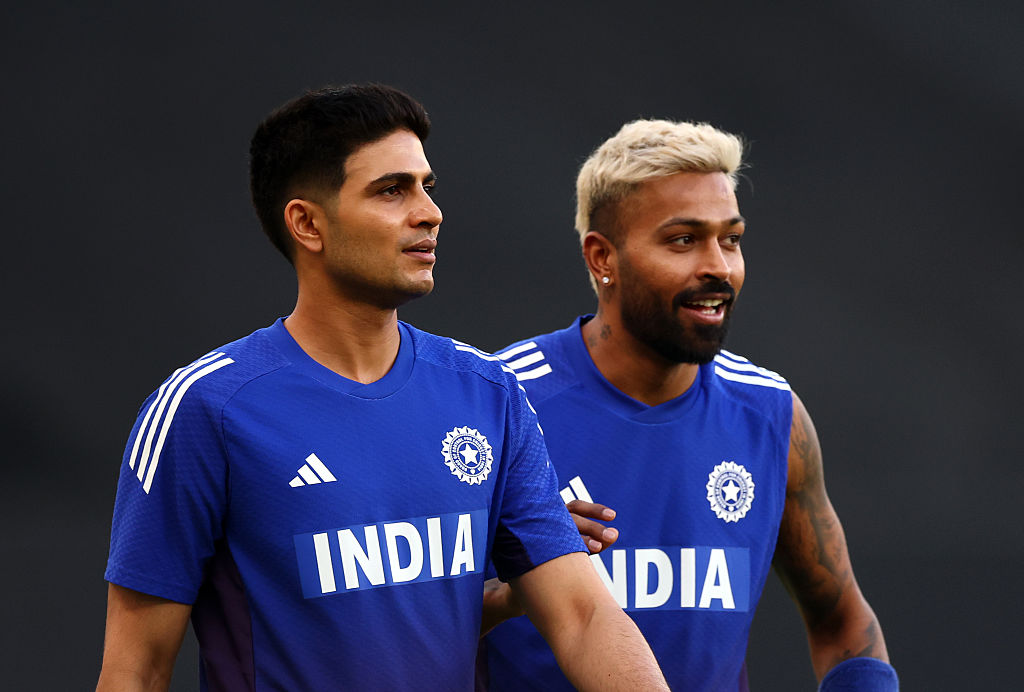
Hardik Pandya remains the missing piece in this ODI side. His return changes the entire composition of the XI. As a genuine seam-bowling all-rounder, he allows India to field an extra specialist batter or bowler without compromising balance.
The ideal structure is fairly straightforward. India’s top six should include a designated wicketkeeper and at least one genuine bowling option. Among the bowlers, there should be one all-rounder and at least one other capable lower-order batter. That gives the team batting depth without sacrificing wicket-taking quality.
The personnel may evolve over the next two years, but the blueprint should not. If India can settle on that structure and resist the temptation to over-experiment, the road to the 2027 World Cup will become much clearer.