



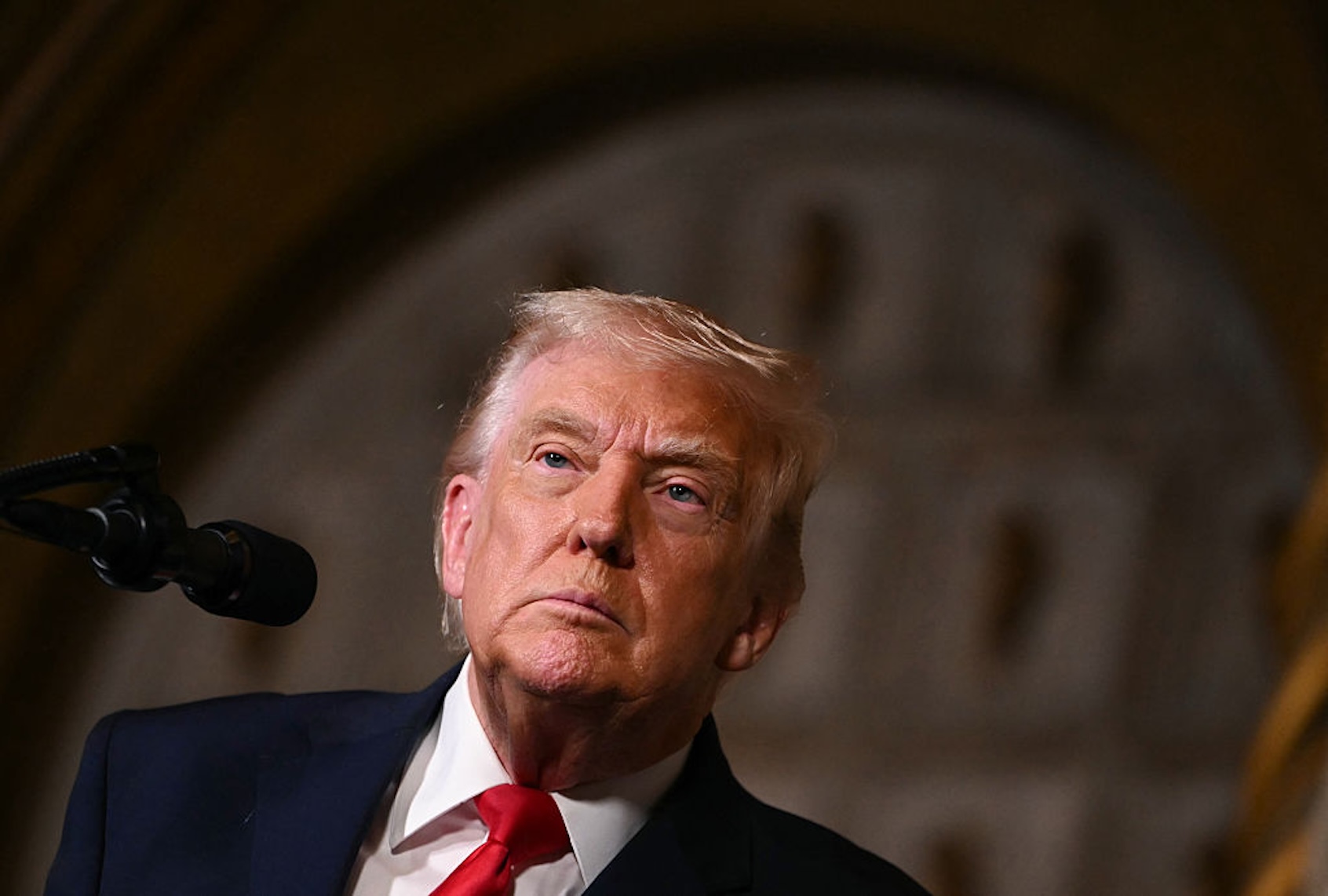
US President Donald Trump has announced a phased tariff regime for imported generic medicines, a move that could significantly affect India’s pharmaceutical industry, which supplies nearly half of all generic prescriptions dispensed in the United States.
Under the plan, generic drugs imported into the US will continue to attract zero tariffs from August 1, 2026, for two years. Tariffs will then rise to 100 percent for one year before increasing to 200 percent thereafter. Trump said the policy is intended to encourage pharmaceutical companies to establish manufacturing facilities in the US, warning that firms choosing not to invest domestically would face steep import duties.
“The policy is done in order to reshore generic pharmaceutical production into America,” Trump wrote on Truth Social, adding that the existing policy for patented and branded medicines would remain unchanged.
The announcement has major implications for India, often described as the “pharmacy of the world”. According to the Global Trade Research Initiative, India exported pharmaceutical products worth $9.7 billion to the US in 2025, accounting for 38 percent of its total pharmaceutical exports. Healthcare analytics firm IQVIA estimates that Indian companies supply 47 percent of all generic prescriptions filled in US pharmacies.
Indian drugmakers including Sun Pharmaceutical Industries, Dr Reddy’s Laboratories and Cipla have established a dominant presence in the US generic medicines market. Their products cover treatments for diabetes, hypertension, high cholesterol, infectious diseases, mental health conditions and several other therapeutic areas. Indian-made generic medicines are also estimated to have saved the US healthcare system $219 billion in 2022 alone and $1.3 trillion over the past decade.
The proposed tariff structure forms part of Trump’s broader effort to reduce dependence on imported pharmaceuticals and expand domestic manufacturing. The announcement also comes as Washington prepares another round of tariffs on multiple trading partners, including India, even as both countries continue negotiations on a bilateral trade agreement.
If implemented as announced, pharmaceutical companies exporting to the US will have a two-year window to decide whether to absorb significantly higher costs or shift part of their manufacturing footprint to the United States, potentially reshaping one of the world’s largest generic drug supply chains.