




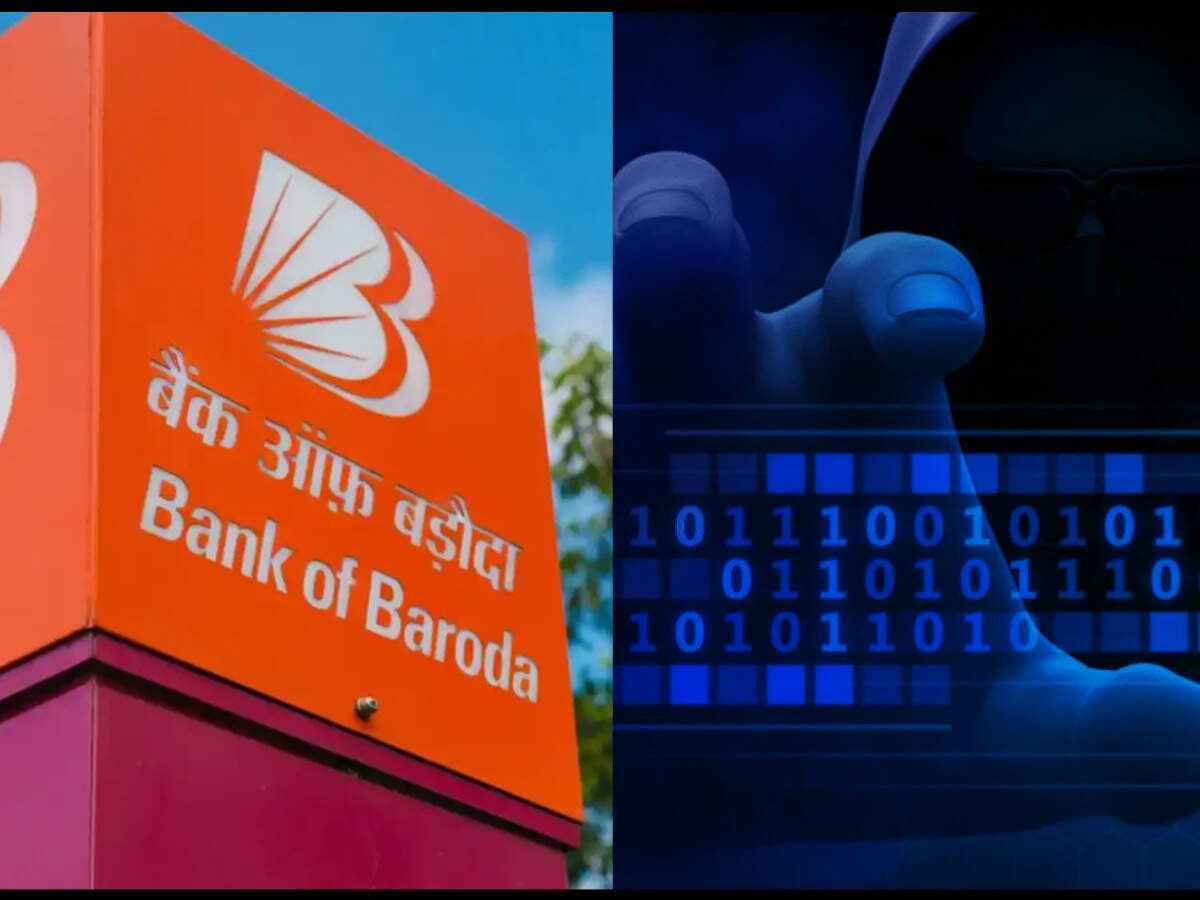
Bank of Baroda is investigating a major data breach after cybercriminals claimed to have stolen approximately 1 terabyte of customer information through a compromised employee email account. According to ET Finance, the stolen data, which includes customer details and transaction records, has allegedly been listed for sale on the darknet, the hidden portion of the internet used for illegal transactions and activities.
The breach was discovered when the bank’s cybersecurity team detected unauthorized access to an employee’s email account. Hackers used these credentials to gain entry to the bank’s systems and extract sensitive customer information. Bank of Baroda has not yet publicly disclosed how many customers were affected or confirmed the exact nature of all data compromised. The bank’s security team is currently investigating the full scope of the breach and working to prevent further unauthorized access.
This incident reflects a critical vulnerability in how financial institutions protect employee accounts. Employee credentials remain one of the easiest entry points for cybercriminals because staff accounts often have broad access to company networks and databases. Once inside, attackers can move through systems undetected and extract large volumes of data before anyone realizes the breach has occurred. Many banks have not implemented sufficiently strong security measures for employee accounts, relying instead on general network protections.
Customers whose data was compromised face real risks of identity theft, phishing attacks, and unauthorized financial transactions. Criminals who obtain banking customer information can use it to open fraudulent accounts, apply for loans, or sell the data to other criminal groups. The darknet listing suggests that this data may be actively traded or used for illegal purposes in the coming weeks or months.
For customers, the breach highlights the importance of regularly monitoring bank statements, enabling two-factor authentication on all online banking services, and reporting any suspicious activity immediately to the bank. Bank of Baroda will likely face regulatory scrutiny under India’s banking compliance requirements and may be required to notify all affected customers and offer credit monitoring services.
The incident also points to a larger issue within India’s financial sector. While major banks invest heavily in cybersecurity infrastructure, employee training and access control often lag behind. Hackers know this gap exists and exploit it consistently. Without stronger employee-level security protocols, including mandatory multi-factor authentication and regular security awareness training, breaches like this will likely continue to occur across the Indian banking system.
Source: ET Finance