




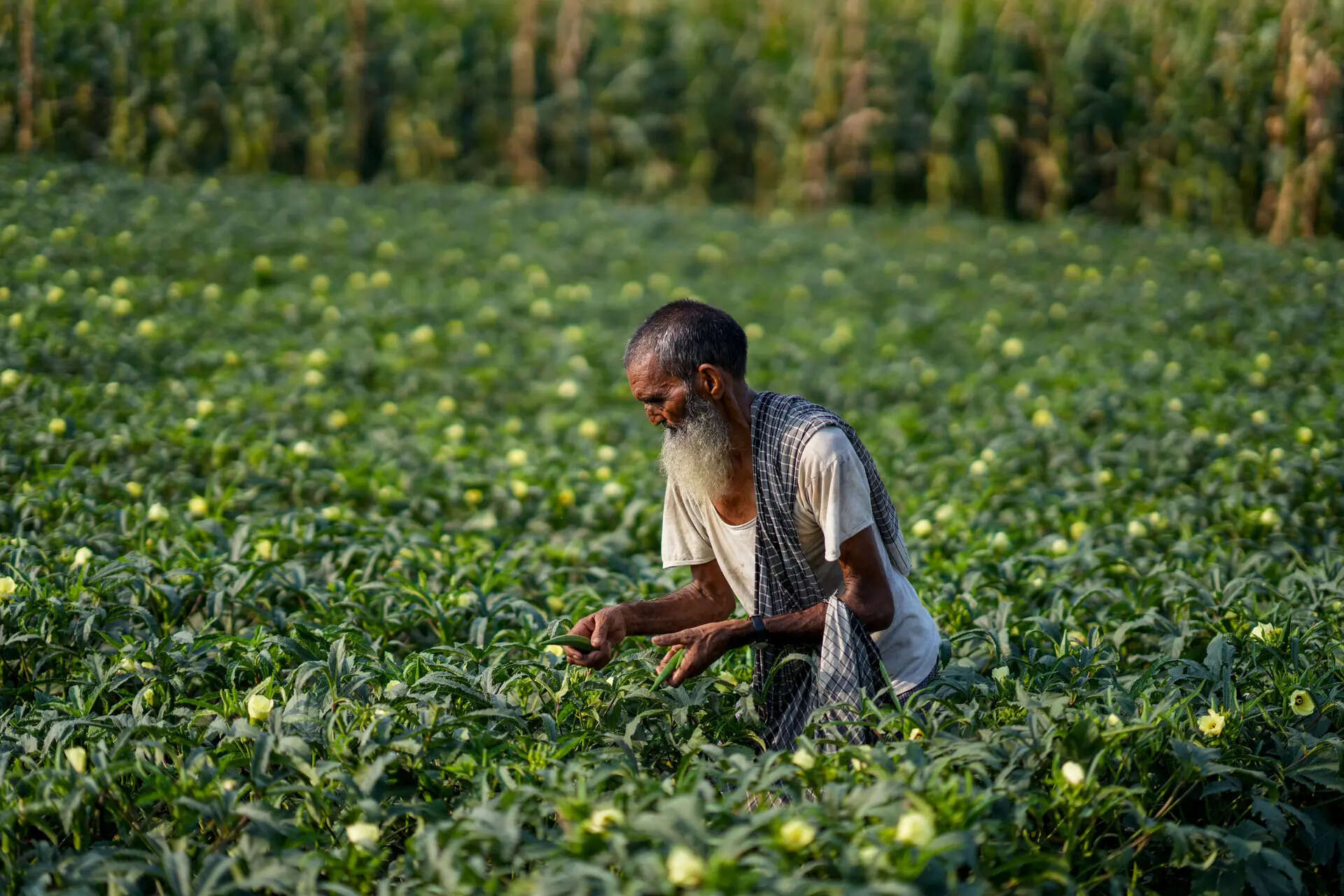
Farmers across India are moving away from traditional crops that demand heavy water use and towards vegetables and plants that survive with less rain. According to reporting on agricultural practices, this shift is accelerating in states like Karnataka, Maharashtra, and Rajasthan, where the monsoon has become increasingly unreliable over the past decade. The change is not driven by ambition but by necessity: when rainfall arrives late, stops early, or arrives in torrents that flood fields, farmers who planted rice or sugarcane face crop failure. A single season of erratic weather can wipe out a year’s investment and income.
The move towards low-water agriculture carries immediate practical consequences. Vegetables like onions, tomatoes, and beans require less water than traditional grains and bring faster returns to market, often within months rather than seasons. Simultaneously, some farmers are reviving older crops like millets and pulses that their ancestors grew before modern agriculture pushed them aside. These plants are naturally suited to variable rainfall and demand less intensive input. Yet each crop switch requires farmers to unlearn familiar practices and master new skills: different planting schedules, different pest management, different market channels.
This agricultural pivot reveals a larger structural problem. India’s monsoon patterns are becoming less predictable due to climate shifts. Simultaneously, groundwater depletion in many regions means farmers cannot rely on irrigation to compensate for weak rainfall. Together, these pressures have made the farming knowledge passed down through generations increasingly obsolete. A farmer with 30 years of rice cultivation experience is essentially starting over when switching to vegetable farming.
The economic ripples extend beyond individual farms. When farmers shift crops, the entire rural supply chain shifts with them. Seed companies adjust inventory. Wage labourers find different work during different seasons. Markets see new produce volumes and shifting prices. Rural towns built around grain trading and storage face changing demand patterns. Yet institutional support for this transition remains fragmented. Agricultural universities and seed companies are beginning to notice the shift, but government policy has not caught up with the speed of change on the ground.
What happens next depends partly on monsoon behavior in coming years and partly on whether policy can respond quickly enough. For now, farmers are adapting faster than the systems that support them.