



UEFA has issued its strongest warning yet to FIFA, threatening to boycott the FIFA World Cup and all other FIFA competitions if the governing body proceeds with plans to bring private investors into the commercial management of its tournaments.
The dispute centres on a proposal by FIFA President Gianni Infantino to create a US$20 billion commercial subsidiary that would oversee the commercial rights of the FIFA World Cup and other international competitions. Under the plan, FIFA would retain majority ownership while selling up to a 20% minority stake to external investors.
During a virtual meeting, UEFA and its 55 member associations unanimously rejected the proposal, arguing that football’s most prestigious tournaments should never become investment products. In a strongly worded statement, UEFA said no European national team would participate in FIFA competitions unless the proposal is withdrawn and binding assurances are provided that FIFA will not pursue private ownership of its competitions in the future.
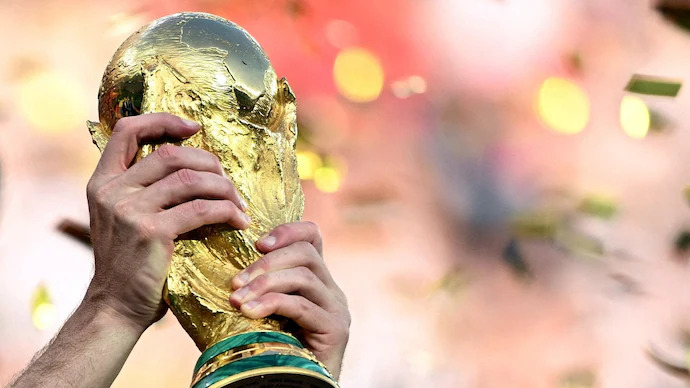
“The World Cup is not for sale,” UEFA declared, describing the tournament as a sporting legacy built over generations by players, national teams and supporters rather than a commercial asset.
Opposition has also emerged beyond Europe. The Asian Football Confederation (AFC) criticised FIFA for failing to adequately consult member associations before unveiling the proposal, while CONCACAF raised similar concerns over the decision-making process. Africa’s CAF and Oceania’s OFC are expected to discuss the proposal in the coming weeks, potentially broadening resistance to FIFA’s plans.
FIFA has defended the proposal, arguing that the new structure would generate significantly higher revenues for football’s 211 member associations. If approved, each association would receive US$40 million, compared with the previously proposed US$10 million. The governing body has maintained that it is not selling the World Cup, but creating a commercial entity while retaining majority control over its competitions.
The debate now extends far beyond finance. At its core is a fundamental question about who should shape the future of global football and whether the commercial value of the sport can be expanded without compromising the governance and identity of its biggest tournaments.