




Google’s planned $15 billion data centre campus in Andhra Pradesh is facing growing environmental opposition, creating an early test for one of India’s most significant technology infrastructure investments.
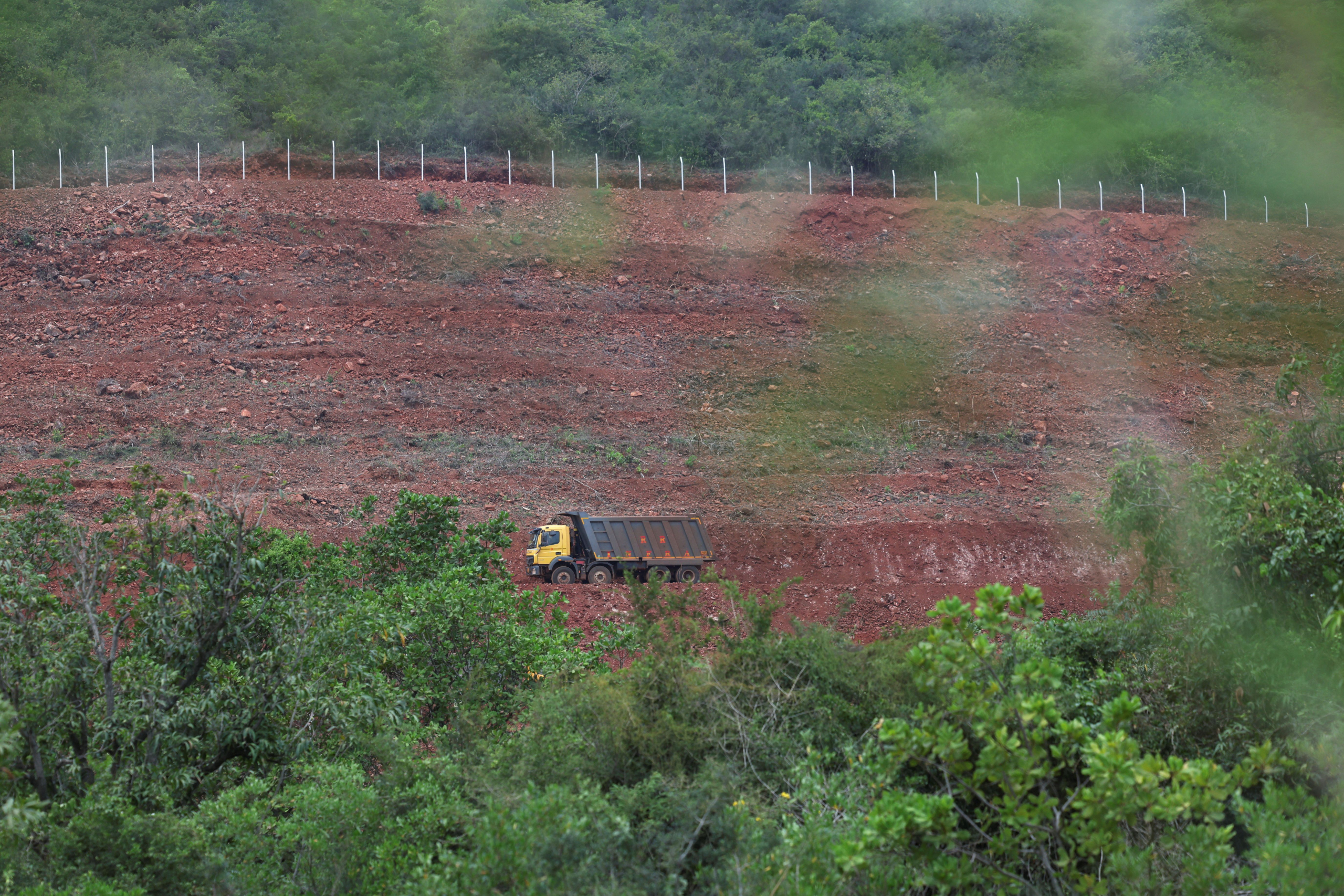
The project, being developed in partnership with the Adani Group, is Google’s largest-ever investment in India and is expected to support the country’s expanding AI and cloud computing ecosystem while generating up to 188,000 jobs. Construction is already underway near Visakhapatnam, where large sections of land have been cleared for development.
However, environmental groups and local activists argue the project raises serious concerns over water availability and ecological impact.
Visakhapatnam already experiences periodic water shortages, with official figures showing demand exceeds the city’s current daily supply. Activists claim a hyperscale data centre could increase pressure on local water resources, particularly as such facilities require substantial cooling infrastructure. Protest groups have organised marches and awareness campaigns, carrying banners stating “We cannot drink DATA” to highlight their concerns.
Legal challenges have also been filed before the Andhra Pradesh High Court and the National Green Tribunal. Petitioners allege environmental impacts were not adequately assessed, including the potential effect on nearby drinking water sources and the Kambalakonda Wildlife Sanctuary, located less than a kilometre from the proposed site. Conservation groups have also questioned whether construction activity and long-term operations could disturb local wildlife.
The Andhra Pradesh government has dismissed these concerns, maintaining that the project complies with all applicable regulations. Officials have stated that residential and rural drinking water supplies will not be diverted for the data centre and have indicated a willingness to address legitimate environmental concerns through legal and administrative processes.
Google has also defended the project, saying it will comply with Indian environmental regulations while using advanced air-cooling systems designed to reduce water consumption. The company has further committed to implementing sound-dampening measures to minimise noise near the wildlife sanctuary.
The dispute highlights the increasingly complex balance between expanding digital infrastructure and protecting environmental resources. As India seeks to become a global AI and data centre hub, projects of this scale are likely to face greater scrutiny over their long-term impact on local communities and ecosystems.