




The United States has launched an urgent effort to expand missile production after the conflict with Iran sharply reduced its inventory of critical air defence interceptors.
Deputy Defense Secretary Steve Feinberg has instructed leading defence companies to submit plans within 21 days detailing how they can accelerate production and reduce delivery timelines for key weapons systems. According to the Pentagon, the initiative forms part of a broader effort to strengthen the country’s defence industrial base and ensure military readiness.
The move follows a report by the Center for Strategic and International Studies (CSIS), which estimates that US Patriot interceptor inventories have fallen sharply since the conflict began. Before the war, the United States held around 2,330 Patriot interceptors. Following successive rounds of fighting, that figure is estimated to have dropped to between 759 and 827, a decline of at least 65 percent.
The report also estimates that THAAD interceptor inventories remain well below pre-war levels despite partial replenishment.
CSIS warns that shrinking missile inventories could force the United States and its allies to make difficult operational decisions during future conflicts. With fewer interceptors available, militaries may have to conserve ammunition by engaging fewer incoming threats, increasing the possibility that missiles could penetrate air defence systems.
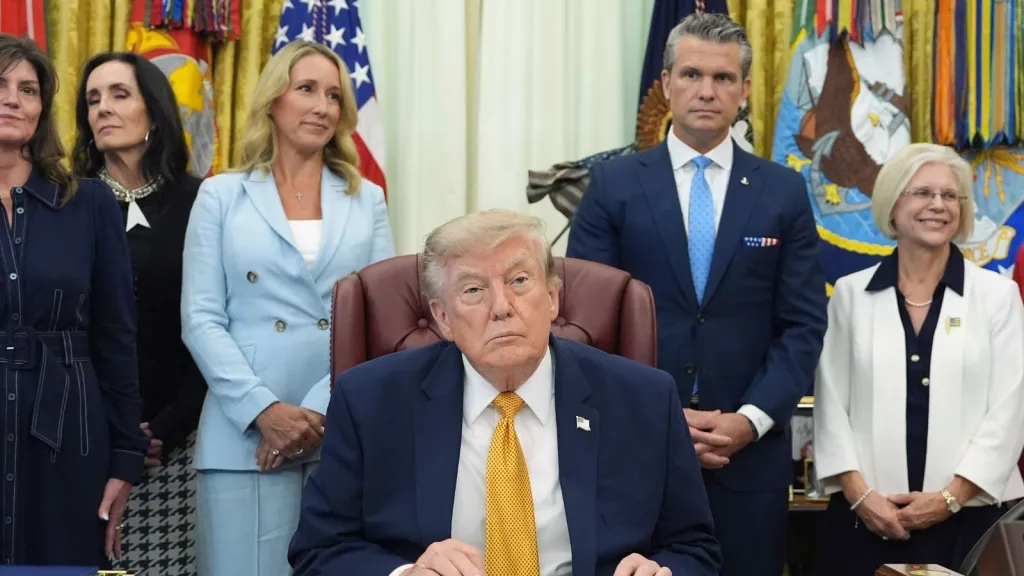
President Donald Trump has dismissed reports of a missile shortage, stating that the United States continues to possess substantial weapons inventories while new missiles are being manufactured and delivered. Pentagon spokesperson Sean Parnell has confirmed the authenticity of Feinberg’s directive, adding that the production push will also inform the department’s fiscal 2028 budget planning.
The Pentagon’s directive also comes at a politically sensitive moment. A defence spending bill remains stalled in Congress, where lawmakers are questioning the Trump administration’s military action against Iran and debating a proposal to raise Pentagon spending to $1.5 trillion from roughly $900 billion last year. How quickly the United States can rebuild its missile inventory is likely to become part of that debate.