



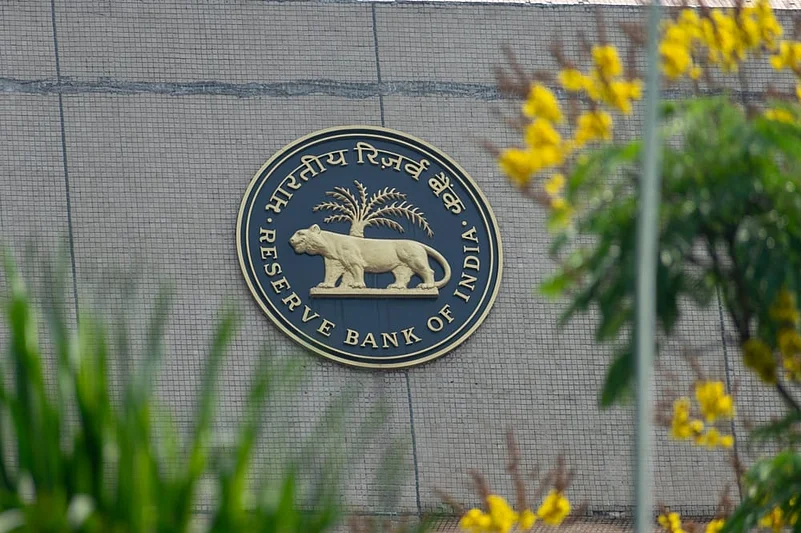
India’s younger consumers are borrowing more than ever before, and much of that borrowing is being used to finance consumption rather than long-term assets. The trend has prompted the Reserve Bank of India (RBI) to closely monitor the rapid growth of unsecured retail lending, particularly among younger borrowers.
The rise has been driven by greater use of buy now, pay later (BNPL) services, credit cards and personal loans, making it easier for consumers to finance travel, lifestyle purchases and everyday spending without immediate cash outflows.
According to Ministry of Finance data, non-housing retail loans accounted for 58.4% of household borrowings as of March 2026, up from 54.9% a year earlier. Average outstanding debt per borrower increased to ₹4.78 lakh, reflecting the growing role of consumption-led credit in household finances.
The fastest expansion has come in unsecured lending. Fintech companies now hold 56.8% of the market for personal loans below ₹50,000, with nearly 70.5% of their loan books consisting of unsecured loans. Around half of these loans have been issued to borrowers under the age of 35, making younger consumers the largest users of this segment.
Credit bureau data also points to a broader shift. The share of India’s credit-eligible population that actively uses credit has risen from 11% about a decade ago to 28% today. Almost half of these borrowers now hold consumption loans, while outstanding credit card debt has crossed ₹3 lakh crore. Delinquencies in unsecured retail lending have also increased, particularly among small-ticket personal loans.
Despite the rise in borrowing, the RBI says risks to the financial system remain manageable. However, it has cautioned that unsecured lending, especially among lower-rated borrowers, requires close monitoring as weaker economic conditions could affect repayment capacity.
The shift reflects more than rising credit availability. It signals a change in how younger Indians finance consumption, with short-term borrowing increasingly replacing savings for discretionary spending. For regulators, the concern is not the growth of credit itself, but whether a sustained rise in unsecured borrowing can continue without increasing financial stress for households and lenders alike.