



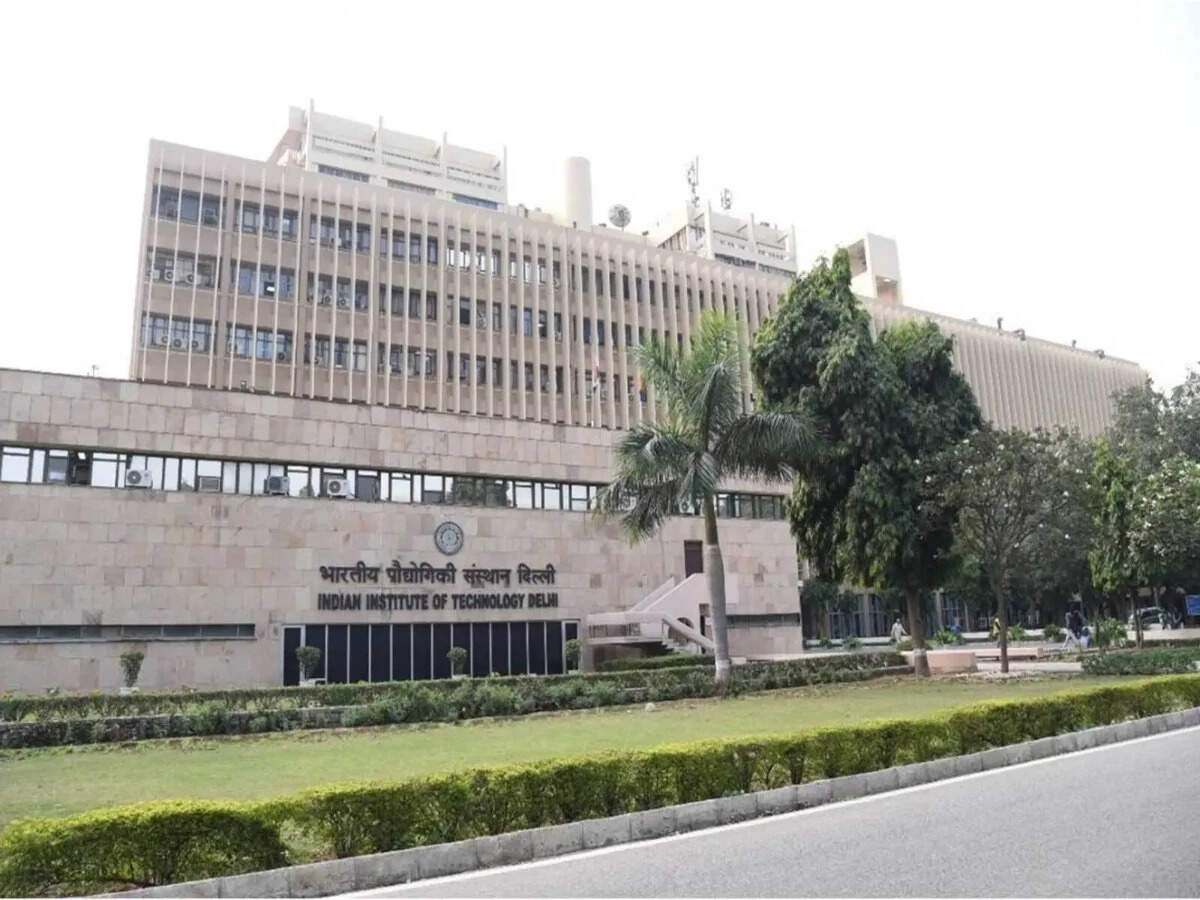
IIT Delhi has suspended classes following a student sit-in protest triggered by the death of an MSc student. The protest reflects deep concerns among the student body about transparency and institutional accountability at one of India’s most prestigious engineering institutes.
Students have gathered on campus demanding an independent investigation into the circumstances surrounding the death. The sit-in has drawn significant participation, indicating broad student concern about how the institute is handling the situation and what support systems were or were not available to the student.
The incident highlights a critical gap in student welfare infrastructure. While IIT Delhi has not released comprehensive details about the death or the immediate triggers for the protest, the suspension of classes demonstrates the scale of student anger and the administration’s acknowledgment of campus unrest. This is not an isolated demand but reflects a pattern that has emerged across India’s IITs over the past decade.
Several student deaths at various IITs have previously led to questions about mental health services, counseling availability, and the psychological toll of competitive academic environments. Students at these institutes operate under intense pressure, balancing demanding coursework with career expectations. Previous investigations and inquiries have repeatedly noted gaps in mental health support and the need for more accessible counseling services.
The current protest signals that students expect institutional transparency when such incidents occur. They are not simply seeking answers but demanding accountability and systemic change. The sit-in is a form of collective action aimed at forcing the administration to engage with their concerns rather than issue generic statements.
What remains unclear is how the administration will respond to specific demands. The suspension of classes creates a pause for dialogue, but students will likely expect concrete commitments toward institutional reform. This could include expanded mental health services, improved counseling accessibility, anonymous reporting mechanisms for student distress, and clearer protocols for investigating deaths on campus.
The incident underscores a broader challenge facing India’s educational institutions: balancing academic excellence with student wellbeing. IITs are globally ranked institutions, but their reputation must also reflect how they care for students during their most vulnerable moments.
Source: ET Finance