



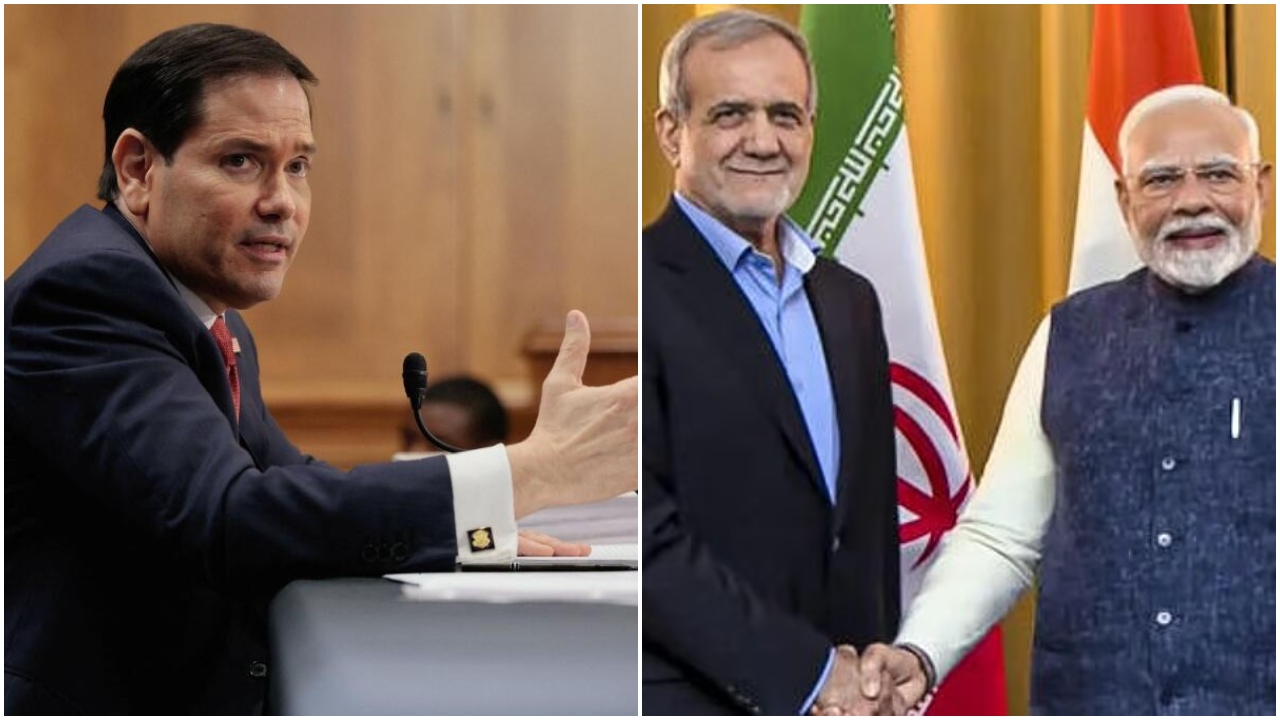
US Secretary of State Marco Rubio has warned India and other countries against helping Iran evade American sanctions, days after Prime Minister Narendra Modi met Iranian President Masoud Pezeshkian on the sidelines of the Shanghai Cooperation Organisation summit in Bishkek.
Rubio said no country should be helping Iran create mechanisms to generate revenue that could fund terrorism or nuclear weapons development. He acknowledged that countries have the right to develop their own foreign policies and that the US itself has engaged with Iranian representatives. But he drew a clear line at economic engagement, saying countries that help Tehran circumvent sanctions would themselves face punitive action.
The warning came as the Trump administration escalated its economic pressure on Iran. US Treasury Secretary Scott Bessent launched “Operation Economic Outcast” on 24 August, describing it as an “economic D-Day” aimed at choking off Iran’s remaining financial lifelines. The campaign targets countries and companies that continue doing business with Tehran, threatening them with secondary sanctions.
Modi and Pezeshkian discussed plans to expand and diversify bilateral trade, regional tensions in West Asia, and the safety of commercial shipping and seafarers. Modi reiterated India’s position that disputes should be resolved through dialogue and called for protecting freedom of navigation and commerce. He stressed that commercial shipping and seafarers must not be harmed under any circumstances, a point of particular importance given India’s significant maritime interests in the region.
Pezeshkian urged India to use its diplomatic relationships to help ease tensions. He criticised Washington for choosing confrontation over diplomacy and maintained that Iran did not seek war. Tehran has rejected the sanctions campaign outright, with its Foreign Ministry accusing the US of undermining international law and calling secondary sanctions “systematic bullying.” Iranian officials insisted the country can withstand the pressure and that US measures will not force its trading partners to sever ties.
India has longstanding economic and strategic ties with Iran, including energy interests and the Chabahar port project, alongside a major and growing relationship with Washington. Secondary sanctions are designed to force exactly this kind of decision, compelling third countries to align their trade policies with US foreign policy or face economic consequences of their own.