




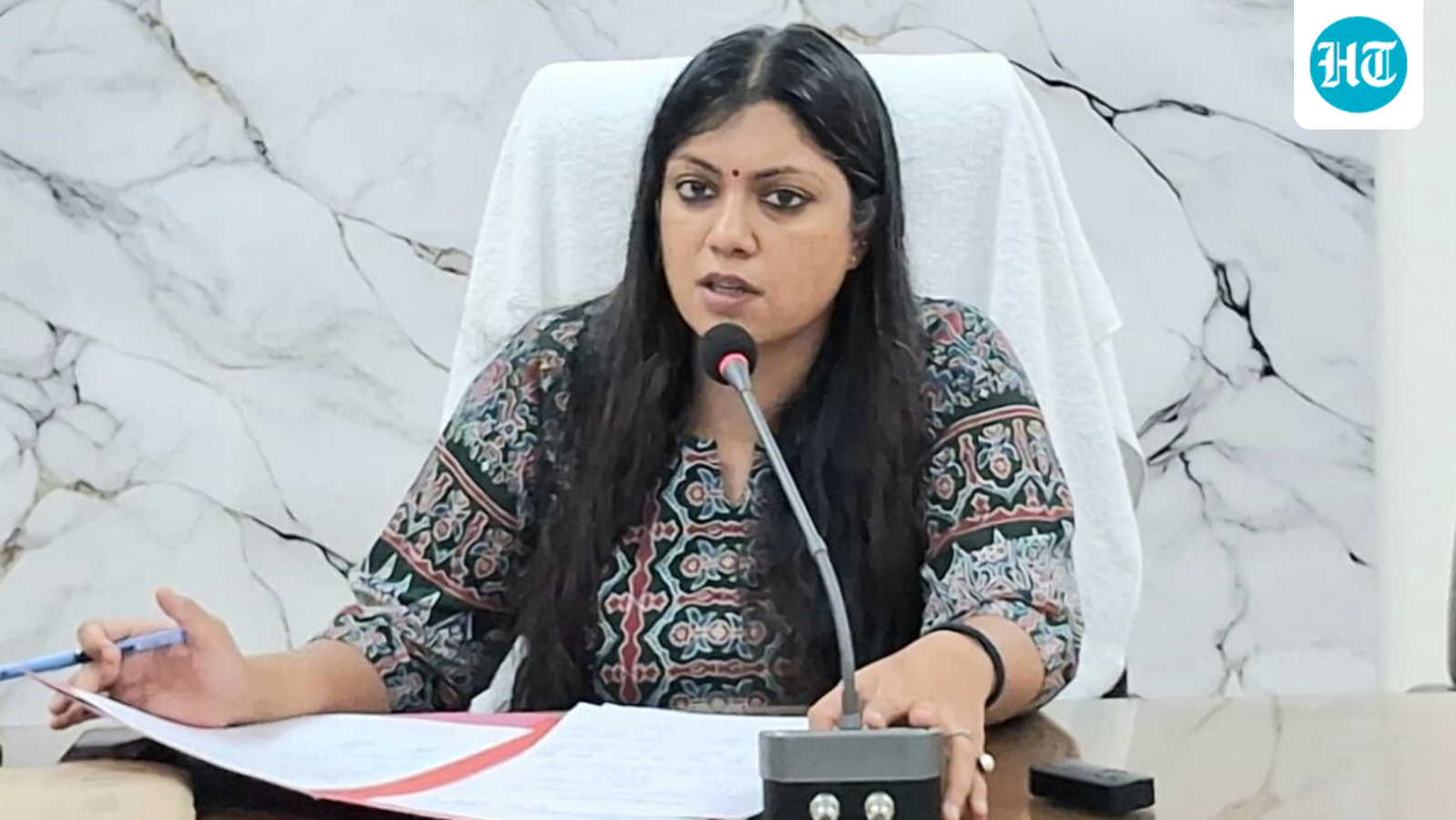
A Delhi University student held under the National Security Act during a workers’ protest in Noida has won compensation and an apology from a high court. The Allahabad High Court bench ordered the immediate release of Akriti Chaudhary and awarded her ₹5 lakh last week. The judge reprimanded the Noida District Magistrate, using strong language to describe the detention as an “Orwellian dystopia.”
The NSA is one of India’s most severe detention laws. It allows authorities to hold a person without filing formal charges if they believe the individual poses a threat to national security. Unlike ordinary criminal law, there is no immediate requirement to present evidence in court or explain the arrest publicly. A person can be detained for up to 12 months under NSA. Chaudhary was arrested during a protest by workers in Noida, and the District Magistrate invoked NSA to keep her in custody.
Her case reveals a larger problem. Human rights organisations and courts have documented that NSA is increasingly used against activists, student leaders, and ordinary protesters, often in situations where no serious crime occurred. The law was designed to handle genuine threats to national security, but its application has expanded significantly. When courts later find such detentions unlawful, as happened with Chaudhary, the damage is already done. She spent weeks in custody without knowing the formal charges against her, unable to properly defend herself or contact a lawyer immediately.
The compensation of ₹5 lakh acknowledges the violation, but it comes only after she pursued a legal case. Most detainees do not have the resources or information to challenge their detention in court. The high court’s strong language in this ruling signals that judges will examine detention orders more carefully. It also puts pressure on district authorities to justify why they invoked such a powerful tool in a routine protest situation. Several states have faced similar criticism from courts for using NSA casually against protesters.
For ordinary Indians, the lesson is mixed. Courts can eventually provide relief and compensation, but only if you can navigate the legal system and wait months for a hearing. Activists argue that real change requires authorities to stop reaching for NSA in the first place, and that laws allowing detention without charges need serious reconsideration. Until then, the power to detain without immediate justification remains a tool that can be misused against ordinary citizens exercising their right to protest. Source: Hindustan Times