




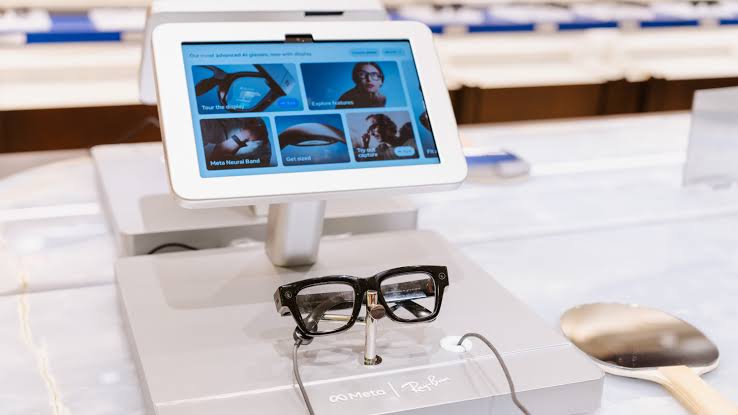
Meta is facing a proposed class action lawsuit accusing the company of illegally scraping Facebook and Instagram photos to build a universal facial recognition system for its Ray-Ban smart glasses.
The lawsuit, filed by families in Illinois and California, alleges that Meta extracted biometric signatures from publicly available social media profiles to power a feature called “NameTag,” which could potentially allow the smart glasses to identify people on the street using biometric data.
The controversy traces back to a June report that revealed Meta had silently added facial recognition code to its smart glasses. A patent described the software as matching biometric “faceprints” to profile photos, and the signatures appeared in the code for the AI companion app used with the glasses. The complainants also accuse Meta of using Emu, an AI image generator trained on a large volume of user-uploaded images and text, to harvest biometric data.
Meta has denied plans to release the NameTag feature. However, its CTO Andrew Bosworth publicly described the feature in detail and called it a “great feature,” just days after dismissing the original reporting as “absolutely dishonest.”
A Meta spokesperson told reporters that the lawsuit “is without merit and misrepresents our work,” adding that the company has been transparent about how it uses people’s information for its AI products. The spokesperson said nothing related to NameTag has shipped to consumers and no final decision has been made.
The lawsuit adds to a growing list of legal and public relations problems for Meta around facial recognition and user data. In 2020, the company settled a class action lawsuit over a separate facial recognition system for $650 million. In 2024, it agreed to pay $1.4 billion to settle another facial recognition data lawsuit in Texas.
The smart glasses themselves have drawn criticism for allowing users to record strangers without consent, earning them the label “pervert glasses.” The latest legal challenge suggests that the privacy concerns surrounding these devices are far from resolved.
(Source: Futurism)