



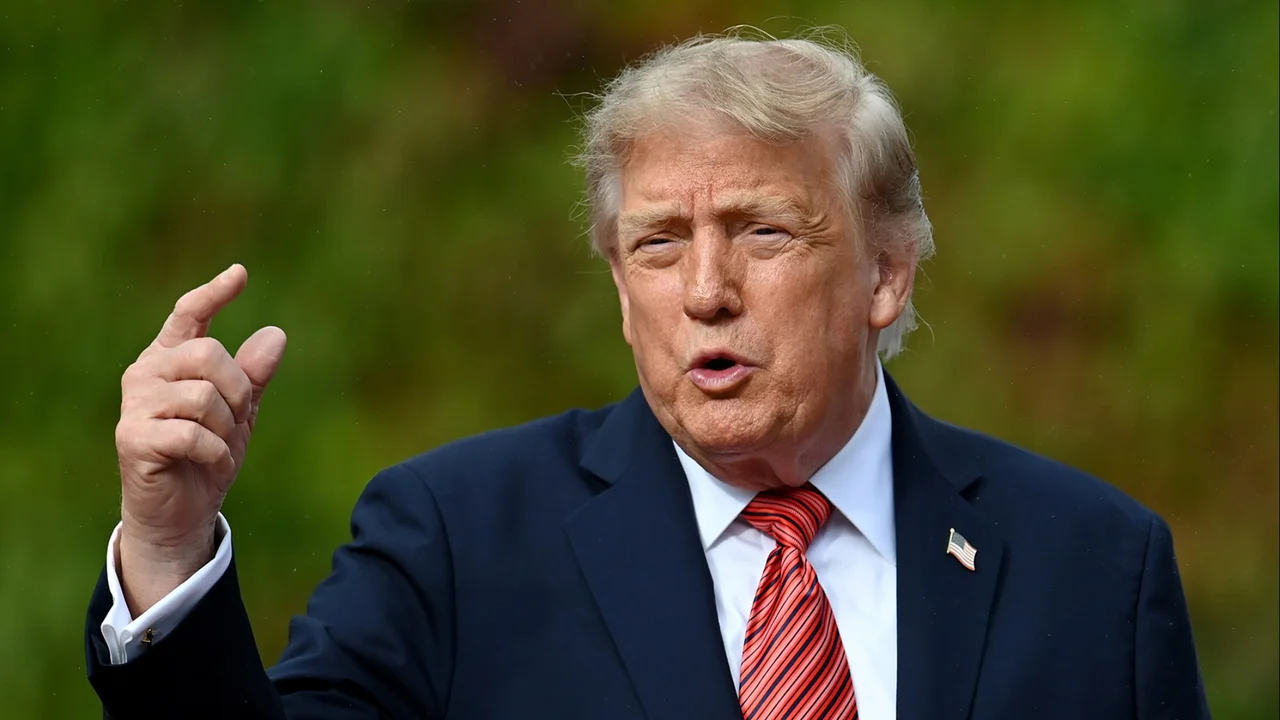
President Donald Trump has signed into law a sweeping sanctions bill that gives him broad authority to impose tariffs of up to 100 per cent on countries buying Russian oil and gas, including India and China.
The White House confirmed the signing in a statement, saying Trump signed H.R. 5334, the “Lindsey O. Graham Sanctioning Russia and Iran Act of 2026,” on Friday, September 18. The law authorises and expands statutory sanctions, tariffs and prohibitions on Russia, while also extending existing sanctions on Iran.
The House of Representatives passed the bill on Wednesday, targeting Russia’s leadership and energy sector, along with collaborators in Moscow’s defence industry and its so-called shadow fleet of tankers used to evade sanctions. The legislation grants Trump wide discretion over implementation, including which countries face tariffs, the rates imposed, and whether sanctions provisions are waived.
Under the law, which takes effect within 30 days of signing, Trump is required to impose duties of up to 100 per cent on goods imported from countries ranked among the top five purchasers of Russian crude oil or natural gas by volume during the 12 months preceding enactment. A country can be exempted from the gas-related duties if its Russian gas imports accounted for less than 15 per cent of Russia’s total exports during that period and it has taken “significant steps” to reduce those imports.
The legislation also targets foreign persons and entities supporting Russian energy production or sanctions evasion, including vessel owners, operators, managers and insurers involved in shadow fleet activities.
For India, the law does not impose an automatic tariff, but places India among the countries whose continued purchases of Russian energy could trigger duties at Trump’s discretion. With India ranked among the top global buyers of Russian crude since the Ukraine war reshaped global energy trade, the coming weeks will be closely watched for signs of how the administration intends to use its new authority.
(Source: PTI / The Telegraph)