



Glacial regions, including the Himalayas, are facing an increased risk of catastrophic floods as global warming accelerates, according to two new reports released ahead of the upcoming COP31 climate summit in Turkey.
The reports, titled Overshoot and the Cryosphere: Averting Global Meltdown and State of the Cryosphere 2026: The Cost of Overshoot, were prepared by around 140 scientists and highlight the growing consequences of rising global temperatures for glaciers, ice sheets and mountainous regions.
The findings indicate that glacier-filled regions are warming significantly faster than the global average. The Hindu Kush Himalaya region, for instance, could experience average warming of 1.8°C to 2.2°C even if global temperatures rise by 1.5°C above pre-industrial levels.
The reports warn that exceeding the Paris Agreement’s 1.5°C threshold could trigger large-scale and potentially irreversible damage to glaciers, polar ice sheets, permafrost and oceans.
India has recorded the highest number of deaths from glacial lake outburst floods (GLOFs) among eight countries in the Hindu Kush Himalaya region, according to a separate UN-led study covering incidents between 1835 and 2025.
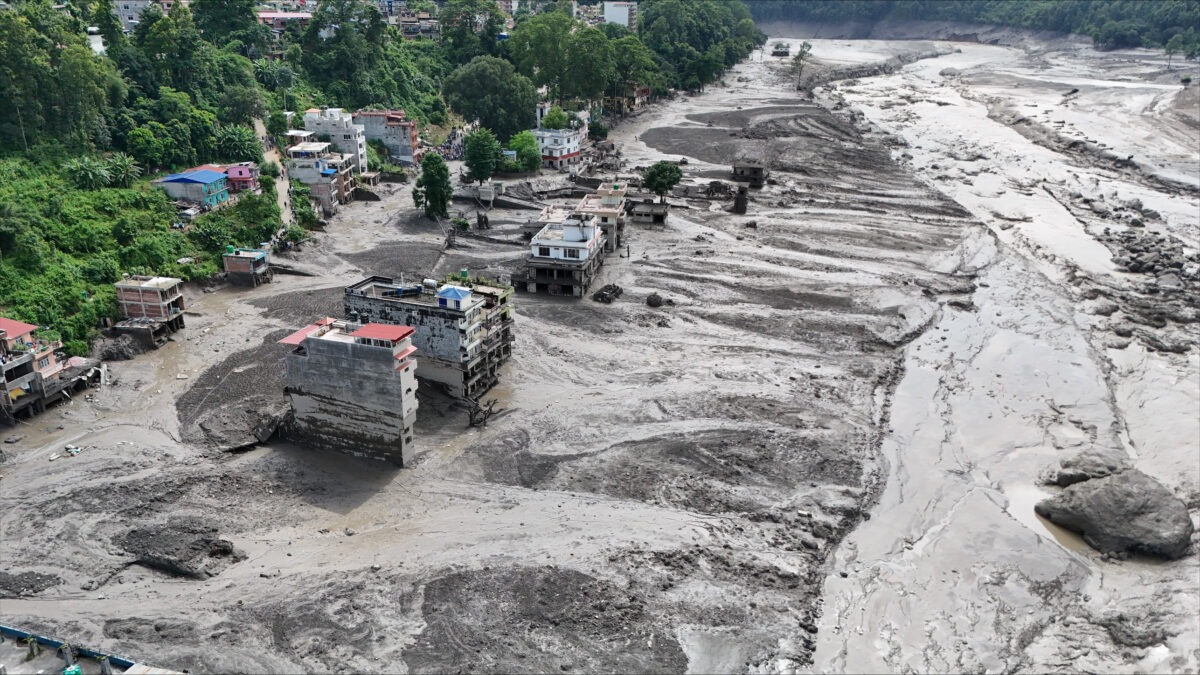
The findings come amid recent devastating flood events in Nepal and Bhutan, raising concerns about the vulnerability of communities across the Himalayan region.
James Kirkham, chief scientist at the International Cryosphere Climate Initiative and coordinating lead author of the overshoot report, warned that the consequences of global warming could extend far beyond the regions directly affected by melting ice.
He called for increased financing for climate adaptation and urgent emissions reductions to limit global temperature rise.
The report emphasised that reducing fossil fuel emissions and scaling up carbon removal could help limit the damage caused by temporary overshooting of the 1.5°C threshold.
Climate experts have also called for stronger glacier adaptation measures, warning that India remains inadequately prepared despite previous disasters, including the 2023 Teesta flash flood and the 2025 Chamoli incident.
Source: The Telegraph