



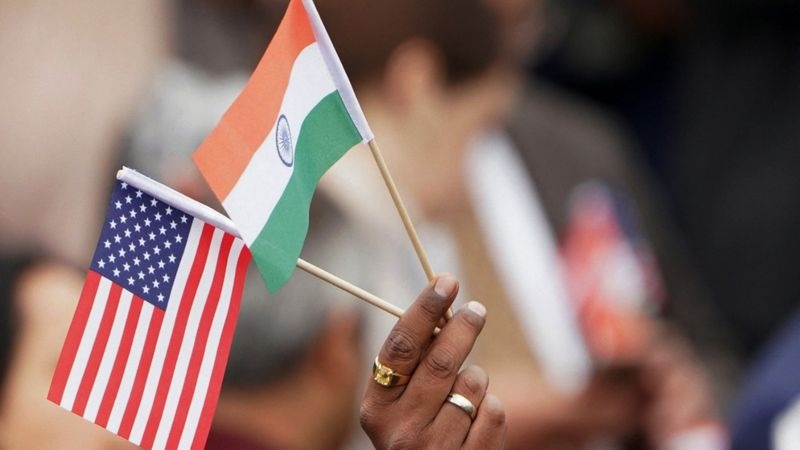
The United States is considering additional tariffs of up to 25% on Indian goods, accusing New Delhi of pursuing industrial and trade policies that contribute to excess manufacturing capacity and restrict American commercial interests. The proposed rate could fall to 17% if India signs a reciprocal trade agreement addressing Washington’s concerns.
The proposal follows a determination by the US Trade Representative (USTR) that India’s industrial policies, market access barriers, labour protections and financial policies are unreasonable and place restrictions on US commerce under Section 301 of the Trade Act of 1974.
The USTR identified five areas of concern: government-led manufacturing expansion, inadequate labour protections, financial repression policies, persistent barriers to market access and India’s failure to address global excess manufacturing capacity, including through imports and foreign direct investment from non-market economies.
Washington argued that these policies limit opportunities for American businesses in India and other markets, while contributing to losses in US manufacturing output, exports, jobs and investment. It also raised concerns about US economic security, particularly India’s dependence on inputs from non-market economies.
The sectors specifically identified in the assessment include pharmaceuticals and medical devices, steel, solar energy, and information and communications technology (ICT).
The determination forms part of a wider investigation launched on March 11, 2026, covering 16 economies. The USTR has reached adverse determinations against 14 of them, including India, China, Japan, South Korea and the European Union. Mexico and Norway were not included in the latest findings.
US Trade Representative Jamieson Greer said industrial strategies involving manufacturing targets, government support and suppressed wages and labour costs had distorted markets and affected trade balances. He argued that discussions at international forums, including the G7, G20 and World Trade Organisation, had failed to resolve the issue.
The proposed tariffs are not final. The USTR has invited public comments, with written submissions due by January 5, 2027. Hearings are scheduled to begin on January 25.
The proposal adds another complication to ongoing India-US trade negotiations, with Washington linking a potentially lower tariff rate to an agreement addressing its concerns.
Source: The Tribune