



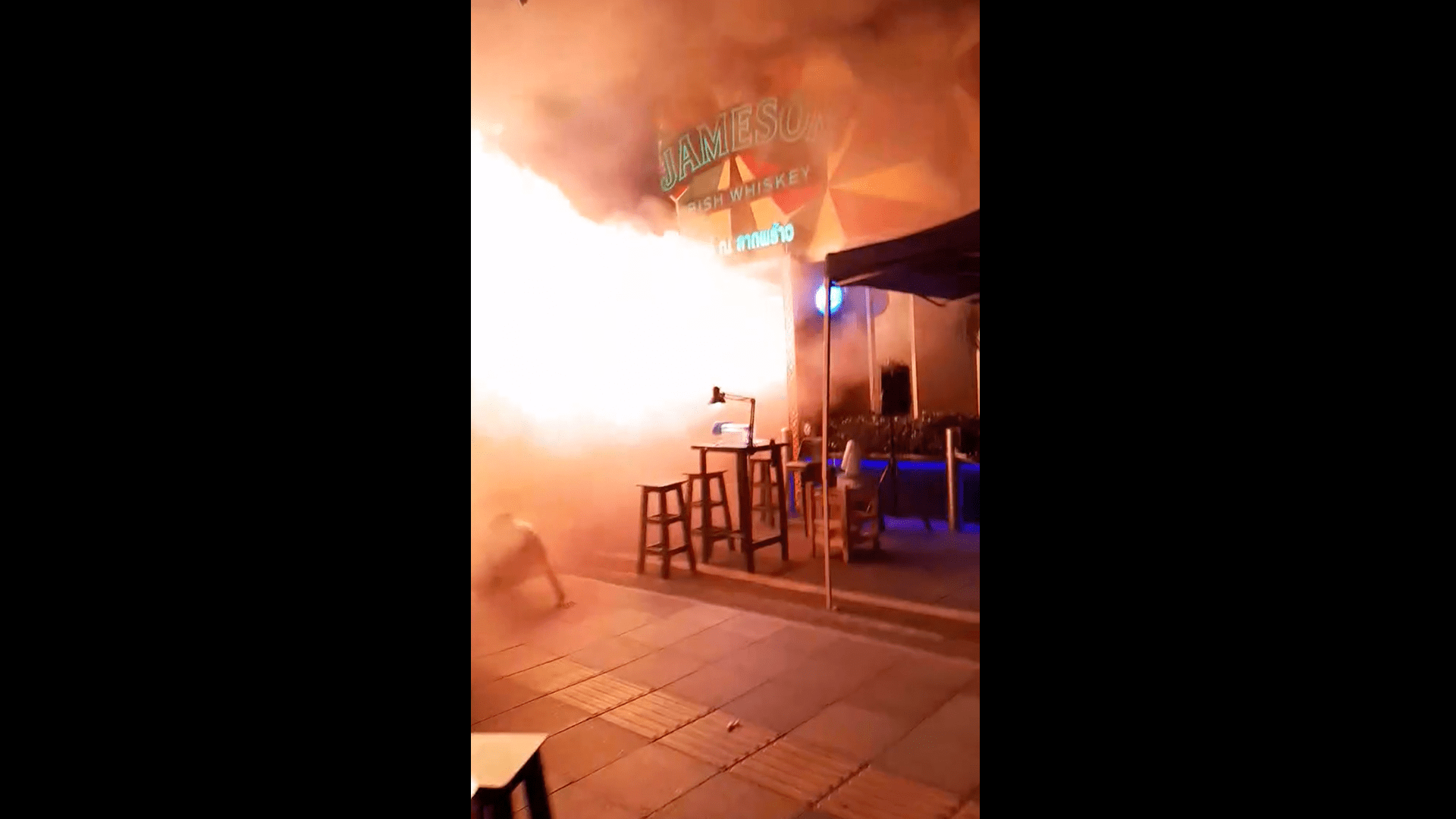
A fire swept through a popular pub in Bangkok near the Chatuchak market, killing at least 27 people and injuring 63 others, many critically. The blaze spread rapidly through the crowded venue, trapping customers inside who struggled to find emergency exits. Emergency responders arrived to find heavy smoke and flames consuming the building, with survivors helping pull people from the wreckage into the street. The death toll makes this one of Thailand’s deadliest fire incidents in recent years.
Witnesses described scenes of chaos as the fire spread through the pub. Some customers climbed onto roofs to escape the flames, while others were overcome by thick smoke. The narrow layout of many Bangkok entertainment venues, particularly those in crowded districts, means that when primary exits are blocked, people become trapped with no alternative escape routes. Rescue teams worked through the night searching for survivors and recovering bodies from the heavily damaged structure. The injured were transported to multiple hospitals across Bangkok.
The incident has exposed ongoing gaps in fire safety enforcement across Thailand’s hospitality sector. Pubs and nightclubs in Bangkok’s entertainment districts operate under varying levels of safety inspection, and many older buildings lack modern fire suppression systems or clearly marked emergency exits. Venues often resist costly upgrades, instead prioritizing capacity and profit. Thailand has experienced similar tragedies before: a nightclub fire in 2012 killed 61 people and sparked promises of stricter enforcement, yet systemic change has been limited.
Investigators are now examining what caused the fire and whether the venue met Bangkok’s fire safety codes. Initial reports suggest the fire may have started in a ground floor area, but official causes remain under investigation. The pub’s ownership, operational history, and compliance records are being reviewed to determine if any regulations were violated. Local authorities are also inspecting other entertainment venues in the area to identify similar safety risks.
This tragedy demonstrates the real human cost of delayed action on safety standards. Survivors and families of the deceased are demanding accountability from both business owners and government regulators. The incident puts pressure on Thailand’s leadership to enforce fire safety codes uniformly across all hospitality venues, not just after disasters. Without mandatory upgrades and rigorous inspections, similar fires will likely recur.