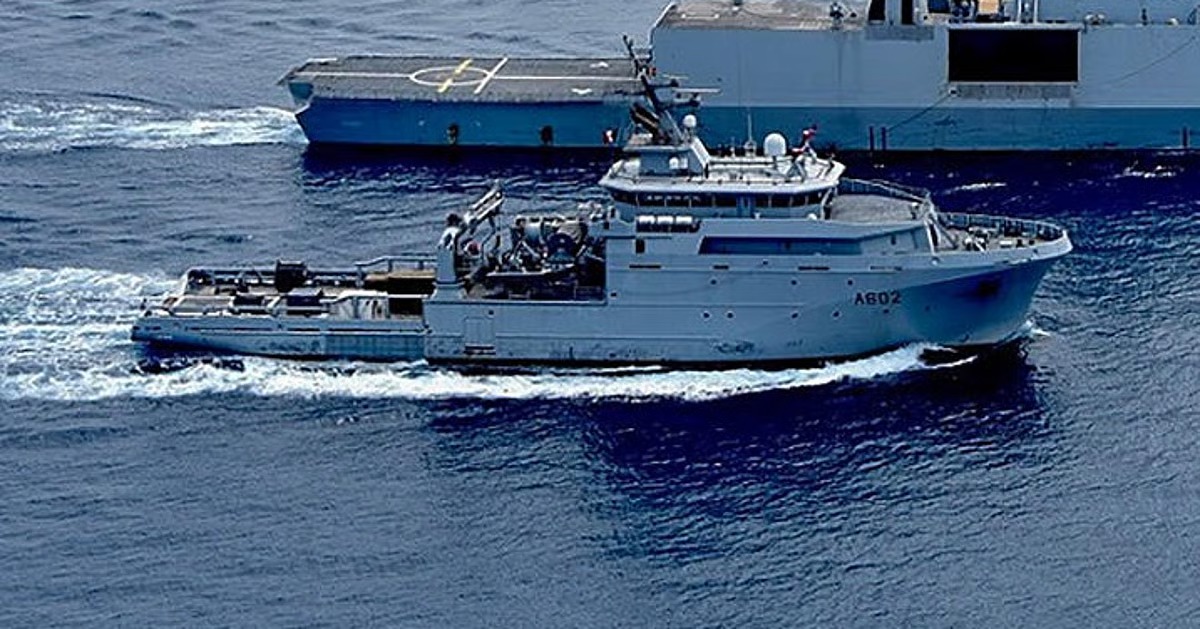




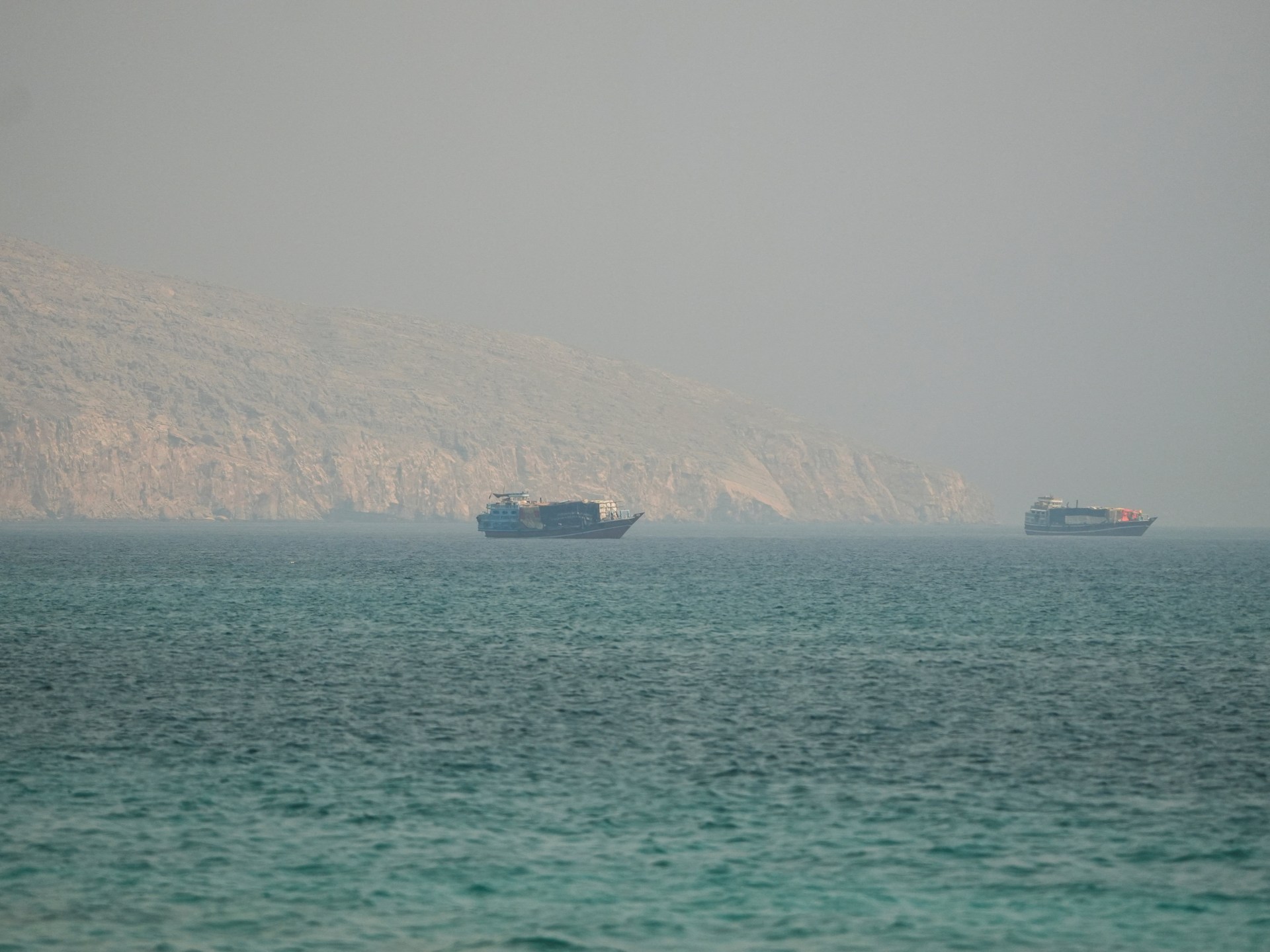
Oil prices have jumped more than 4 percent in global markets after the United States and Iran traded military attacks over the Strait of Hormuz, a narrow waterway between the Persian Gulf and the Arabian Sea. Brent crude, the international benchmark for oil, climbed as traders reacted to the escalating tension between the two countries. The Strait of Hormuz is one of the world’s most critical shipping routes. About one-third of all oil transported by sea passes through this waterway every day.
The conflict matters directly to Indians because India imports nearly 80 percent of its oil needs from outside the country, and much of that comes from the Middle East. When global oil prices rise, the cost of petrol and diesel at Indian pumps goes up within weeks. Higher fuel costs affect everything from transportation to the price of goods in shops. Electricity bills also rise because many Indian power plants burn fossil fuels to generate electricity.
The Strait of Hormuz has been a flashpoint between the US and Iran for years. In 2019, tensions peaked when the US withdrew from the Iran nuclear deal and imposed strict economic sanctions. Since then, both countries have conducted military exercises in the region and seized each other’s ships. Earlier this year, there were drone attacks attributed to Iranian forces on commercial vessels near the strait. These incidents create uncertainty in global oil markets because traders worry the waterway could be blocked, cutting off oil supplies to the rest of the world.
India’s oil import bill is already among the highest in the world. When crude prices spike, the government faces pressure to raise fuel taxes to cover the cost. Since 2022, Indian pump prices have remained relatively stable only because the government kept taxes high to absorb price increases. Any sustained jump in global crude could force another round of increases at petrol pumps.
The escalation also reflects a broader shift in Middle Eastern geopolitics. The US has increased military presence in the region, while Iran has strengthened ties with Russia and China. This creates an unpredictable environment for energy markets. Traders cannot easily forecast how long the current tensions will last or whether they will worsen. This uncertainty itself drives prices higher, regardless of actual physical disruptions to oil supply.