



Apple has filed a lawsuit against OpenAI, accusing the AI company of a systematic effort to acquire, retain and use its confidential information as it builds a hardware business designed to challenge the iPhone. The 40-page suit, filed on Friday, caps months of tension between two companies that began as partners and have become direct rivals in the emerging AI device market.
The most vivid allegation involves iPhone engineer Chang Liu, who left Apple for OpenAI’s hardware division. According to the suit, Liu departed with a company MacBook he never returned and knowledge of a software bug that gave him continued access to Apple’s internal file servers. “LOL, I found out I can access the network storage, so funny,” Liu allegedly wrote to former colleague Alyssa Peng. Apple claims he then downloaded presentations, hardware designs, manufacturing details and testing procedures while already employed at OpenAI. Peng, who allegedly helped him obtain further material through her own laptop, joined OpenAI’s hardware division in April.
Apple portrays Tang Tan, its former product design chief and now OpenAI’s chief hardware officer, as the orchestrator. Tan allegedly used job interviews as information-gathering sessions about upcoming Apple products and asked candidates to bring hardware prototypes, including batteries and logic boards, to show-and-tell sessions at OpenAI’s offices. The complaint says OpenAI distributes a checklist, put together by Tan, that helps new hires evade detection by Apple’s security teams. New recruits are allegedly encouraged to forward information to personal email accounts before resigning.
More than 400 former Apple employees now work on OpenAI’s hardware effort, which is built around io Products, the startup Tan co-founded with former Apple design head Jony Ive and which OpenAI acquired for $6.5 billion. The recruitment continued as recently as June, when OpenAI hired Apple’s smart glasses chief Paul Meade.
Apple has stated that it had contacted OpenAI in February, flagged its concern that confidential information had made its way to the startup, and asked it to investigate. OpenAI never responded, the suit alleges. IOpen AI has also stated that it doesn’t have any interest in other companies’ trade secrets and remains focused on building technology that empowers people.
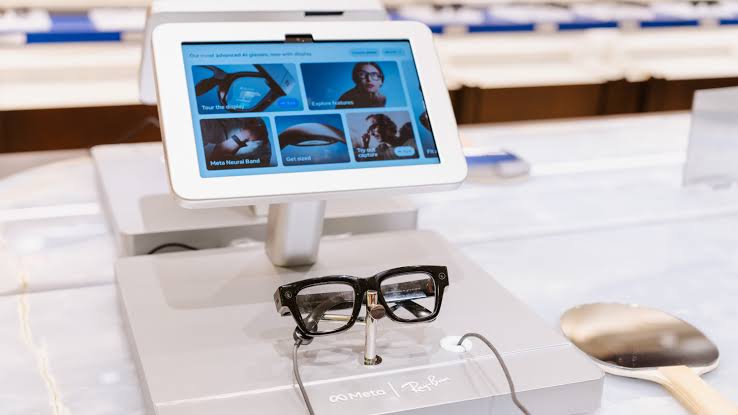
OpenAI is reportedly working toward an AI-powered smartphone replacement, though its first product may be simpler, with concepts ranging from earbuds to smart glasses. The company accused of copying Apple’s product machine is the one racing to build the device meant to replace its flagship.
Source: Bloomberg via NDTV