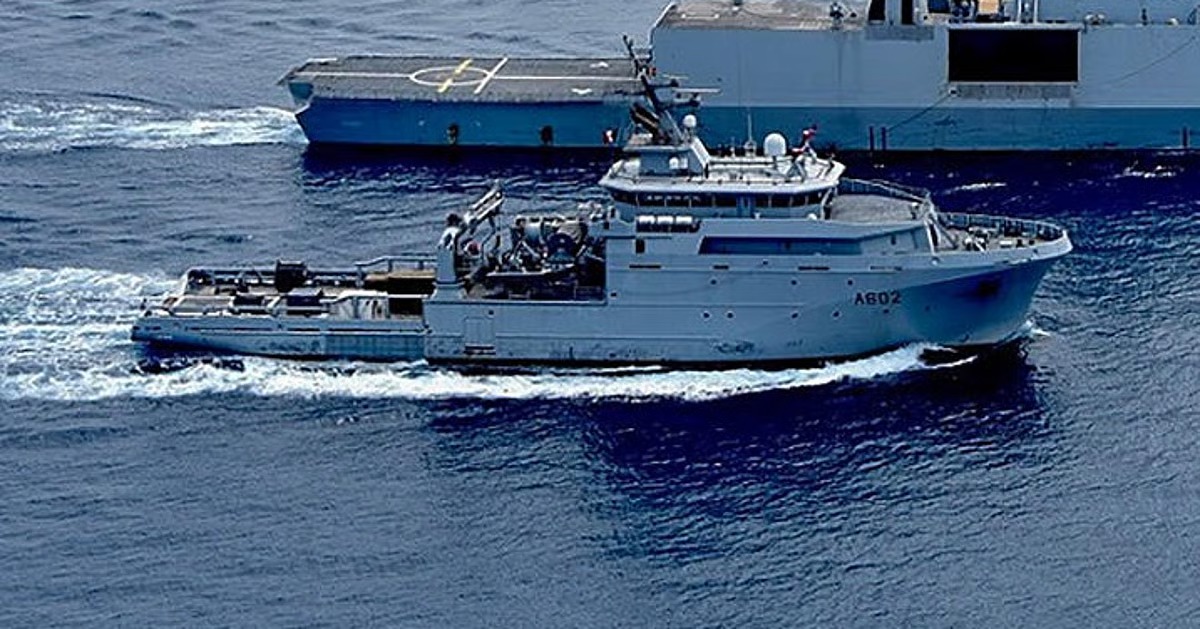




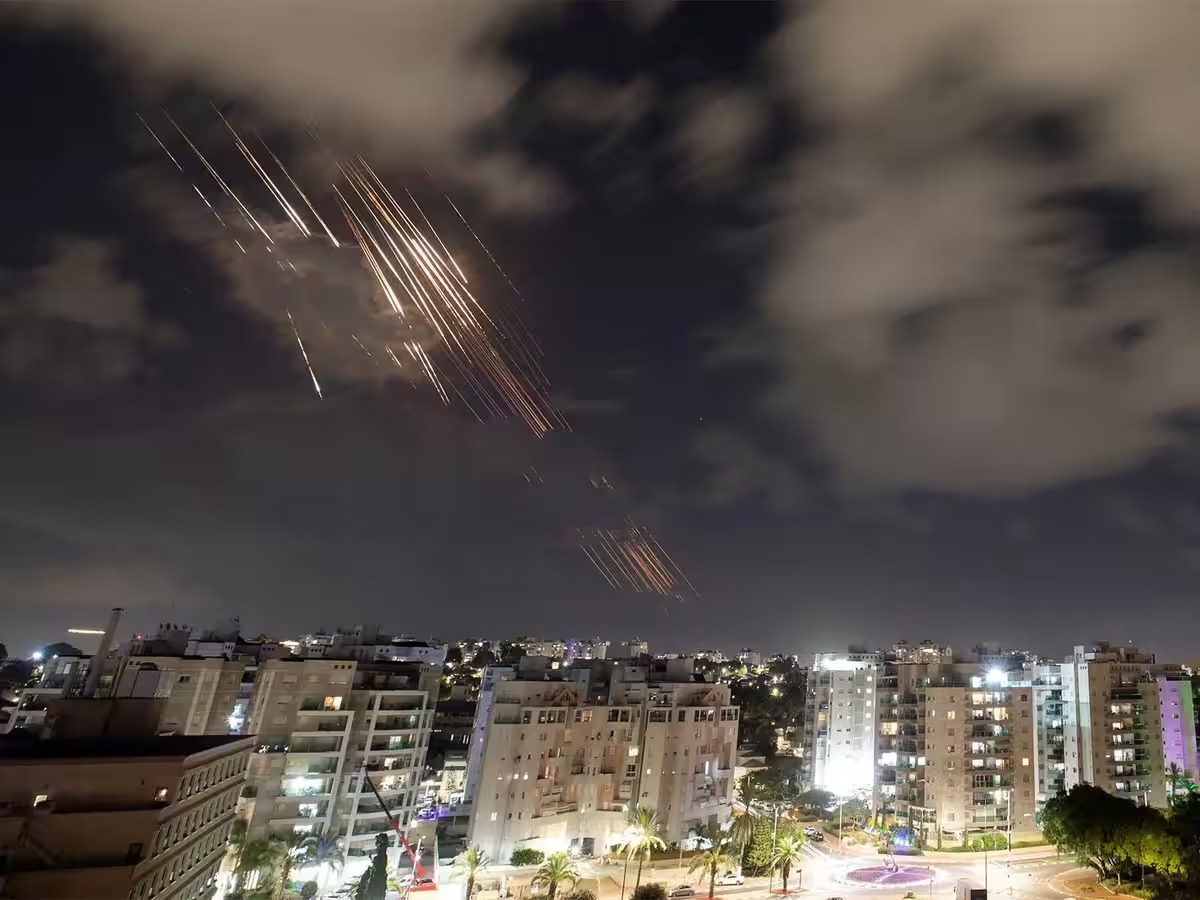
Iran has launched the third phase of its “eye for an eye” operation following a fresh wave of US military strikes, marking another escalation in the conflict that has raised concerns over security in the Gulf and the future of the Strait of Hormuz.
According to Iran’s Islamic Revolutionary Guard Corps (IRGC), the latest operation targeted two US military facilities in Kuwait, including Ali Al Salem Air Base and Ahmed Al Jaber Air Base. The IRGC claimed it had destroyed fuel tanks, Patriot air defence systems and a radar installation during the strikes. The claims have not been independently verified.
The operation comes after US Central Command (CENTCOM) announced a new round of offensive strikes against Iranian military assets. The US said it targeted air defence systems, coastal radar sites, missile and drone capabilities, and small boats, describing the strikes as an effort to reduce Iran’s ability to threaten international maritime trade.
“The Strait of Hormuz is a vital maritime corridor for global trade. Iran does not control it,” CENTCOM said in a statement.
The IRGC said the attacks on Kuwait formed the third phase of its ongoing retaliatory campaign. According to Iranian statements, the first phase targeted Jordan’s Prince Hassan Air Base, while the second focused on Bahrain’s Sheikh Isa Air Base. Tehran also warned against further US military involvement in the Strait of Hormuz, one of the world’s most important energy shipping routes.
The latest escalation follows months of conflict that began after the United States and Israel launched coordinated strikes on Tehran and other Iranian cities on February 28. Those attacks killed Iran’s then Supreme Leader Ali Khamenei and triggered a series of Iranian drone and missile strikes against US and Israeli interests across the region.
Although Washington and Tehran have held several rounds of peace talks since then, hostilities have continued, with military exchanges expanding across multiple countries in the Gulf.
The renewed confrontation has also heightened concerns over the Strait of Hormuz, through which a significant share of the world’s oil and liquefied natural gas exports passes. Any disruption to shipping through the waterway could have implications for global energy markets and supply chains.
As both sides continue military operations while diplomatic efforts remain stalled, the conflict is increasingly extending beyond direct strikes to strategic infrastructure and regional security, raising the risk of a broader confrontation across the Middle East.
Source: Hindustan Times