



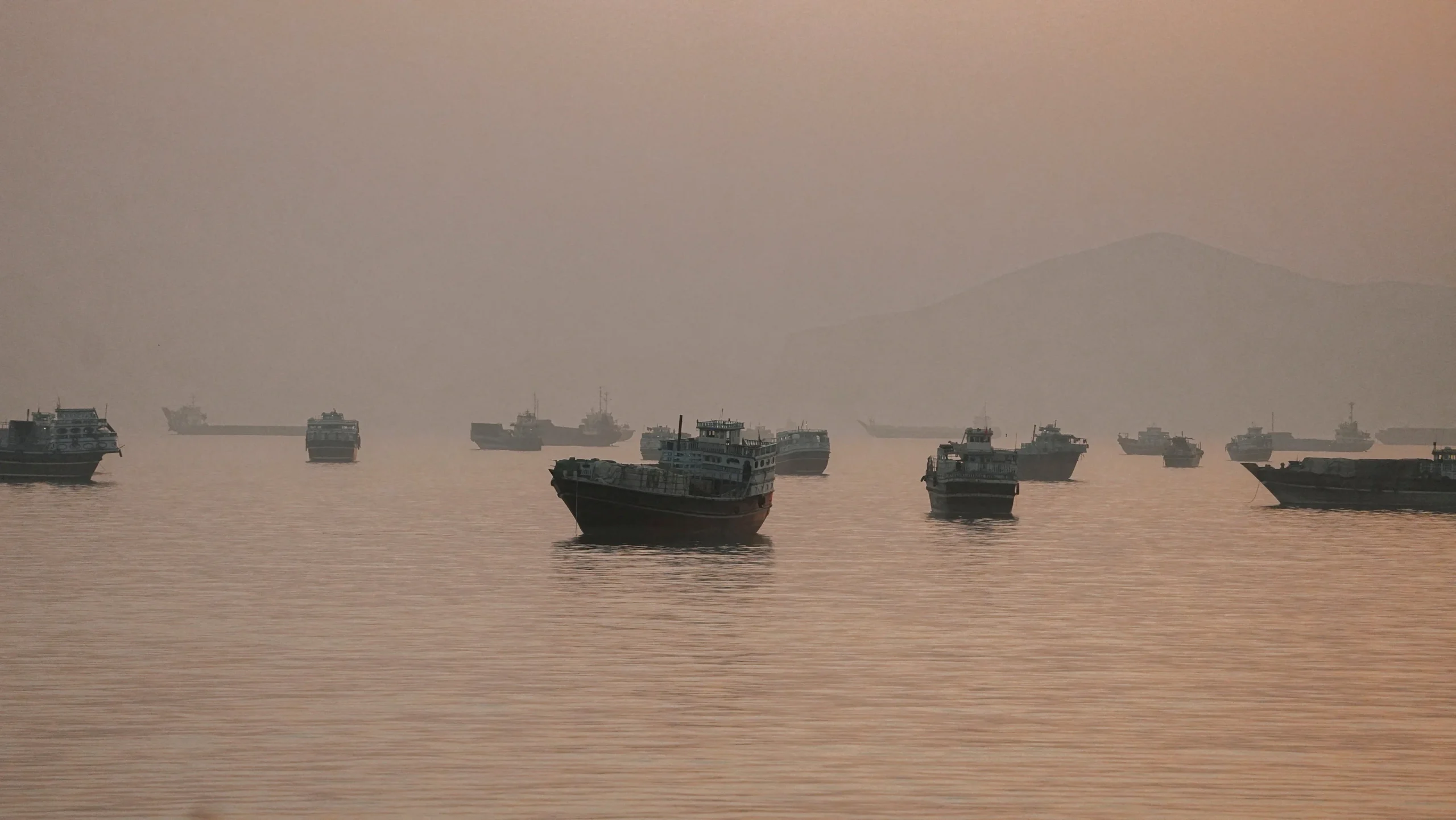
For decades, the Strait of Hormuz was protected by a simple regional equation. The United States guaranteed freedom of navigation, Gulf nations exported energy, and Iran remained contained. That equation is now being tested.
According to a Wall Street Journal report, Gulf governments increasingly believe Iran’s influence over shipping through the Strait of Hormuz may outlast the current conflict. While negotiations to reopen the waterway remain uncertain, officials reportedly view a diplomatic arrangement with Tehran as less damaging than another round of military escalation that could further threaten the region’s energy infrastructure.
The shift reflects the growing difficulty of securing alternative export routes. Saudi Arabia’s Red Sea corridor has come under attacks by the Iran-backed Houthis, commercial vessels linked to the UAE have reportedly been struck, and energy infrastructure beyond the Gulf has also faced disruption. Investments in pipelines, storage facilities and alternative shipping routes have helped reduce dependence on Hormuz but have not replaced it.
As a result, Gulf governments are preparing for the possibility that shipping through one of the world’s busiest energy corridors could remain influenced by Iran even after hostilities ease.
The implications extend beyond oil markets. For years, regional security depended on the assumption that superior military power would keep global trade moving through the Strait of Hormuz during periods of tension. The current conflict has challenged that assumption.
Iran has not established legal control over the waterway. Instead, it has demonstrated that sustained disruption, repeated attacks and the credible threat of escalation can reshape how neighbouring countries calculate their security and economic interests.
That may prove to be the conflict’s most lasting consequence. The balance of power is no longer being measured only by who controls territory or deploys the strongest military force. It is increasingly influenced by who can make disruption costly enough that rivals begin adjusting their policies instead of waiting for the old order to return.