



India’s growing injury list has once again put the BCCI’s Centre of Excellence (CoE) under scrutiny, with several players across formats currently dealing with fitness setbacks.
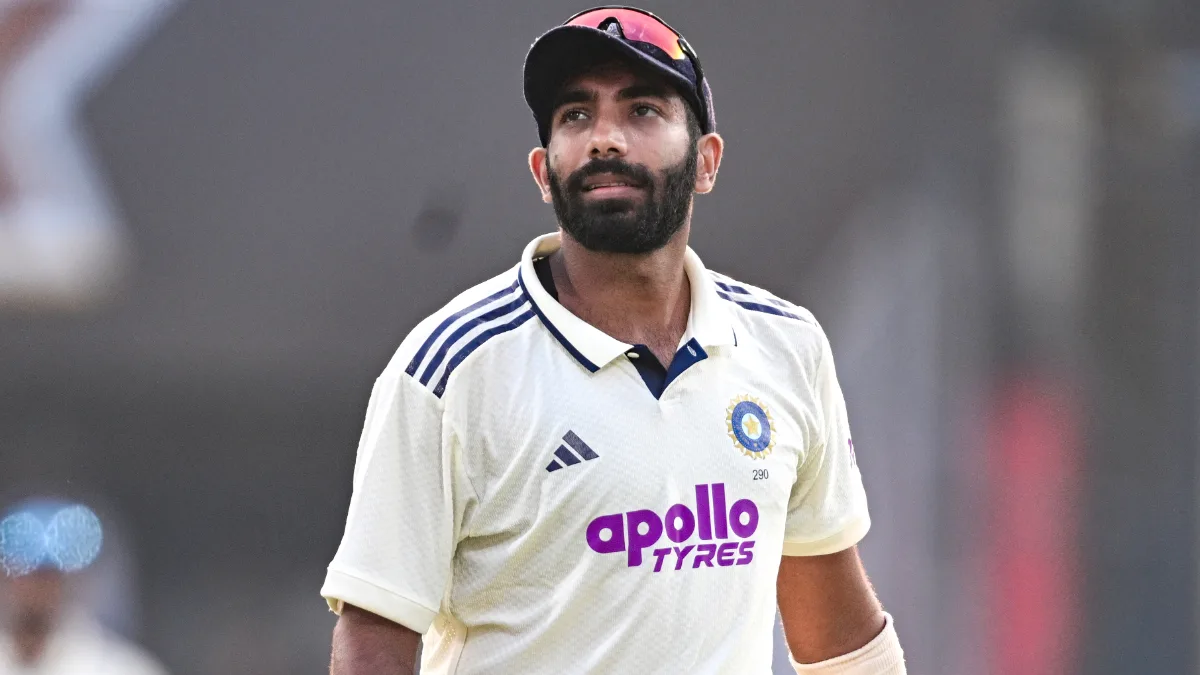
Jasprit Bumrah is battling knee swelling and has been ruled out of the upcoming Test series against Sri Lanka after failing to recover from the injury sustained during the England tour. Sai Sudharsan is sidelined with a left big-toe injury, while Harshit Rana and Nitish Kumar Reddy are recovering from hamstring problems. Washington Sundar is also unavailable with a quadriceps injury.
The number of players missing or recovering has raised questions over India’s injury management and rehabilitation system, particularly with the team entering an important phase across formats. Bumrah’s latest setback has attracted the most attention given his importance to India’s plans across all three formats and the team’s preparations for the next World Cup and ongoing World Test Championship cycle.
However, former India batter Subramaniam Badrinath believes the CoE should not be held responsible for selection decisions. According to him, its role is to assess a player’s physical condition and communicate that information to the team management, while the final call rests with the captain, coach and selectors.
“I don’t know who made the decision. COE will not make the selection, right? They will just say he is in this state and can play these matches and his body is in this state. But I think the captain, coach, and selectors are taking the decision. COE only passes the information. They are not selectors,” Badrinath said on his YouTube channel.
He also urged caution against looking for a single explanation for India’s injury problems. The current cases involve different circumstances, from Sudharsan being struck by a ball to Bumrah managing a chronic issue and Sundar’s recurring fitness concerns.
“I don’t have an immediate answer to the root cause of so many injuries. It is important to see what kind of injuries these are. At high-level professional sport, injuries are common,” Badrinath said.
At the same time, he stressed that workload management, fitness and regular monitoring remain important in reducing avoidable setbacks.
“Injuries are bound to happen and you cannot control it,” he added.
For India, the challenge is therefore twofold: accept that injuries are inevitable while ensuring that rehabilitation, workload management and fitness monitoring are as rigorous as possible. With several key players already sidelined, the effectiveness of that system will be tested again over the months ahead.