




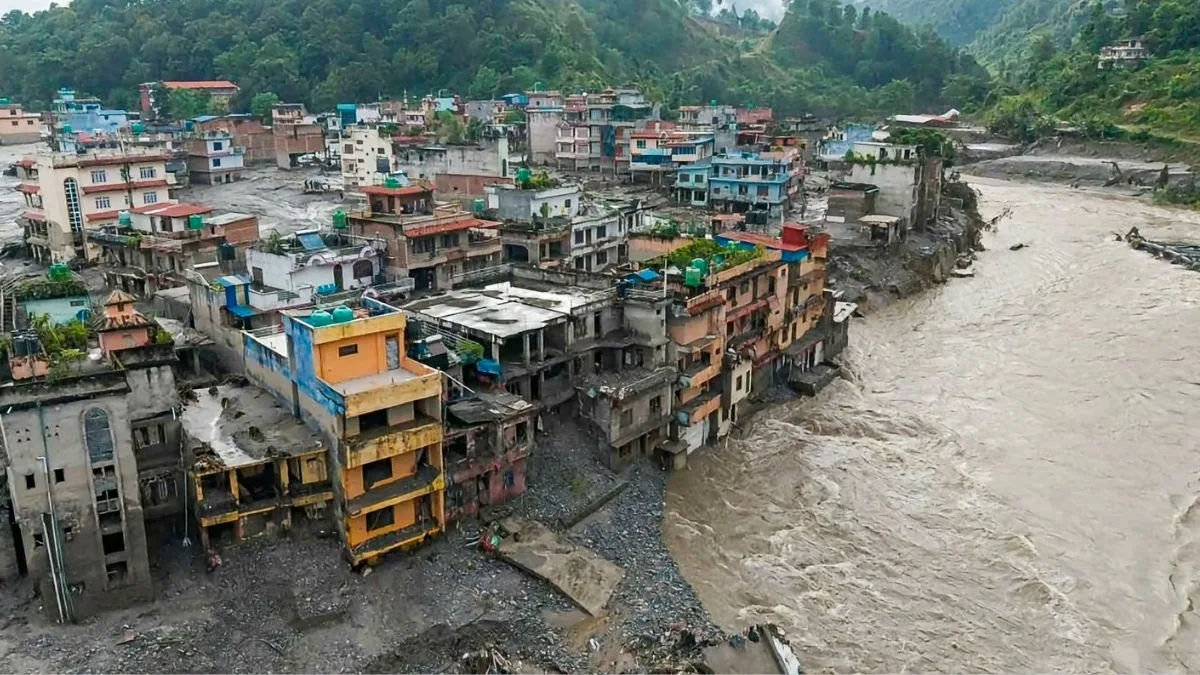
Nepal’s death toll from devastating flash floods has crossed 780 people, with search-and-rescue operations now in their fifth day. The floods, triggered by heavy monsoon rains and cloudbursts in the mountainous terrain, swept through multiple districts across the country, destroying homes, bridges, and roads. Among those rescued were 149 Indians who were stranded in Nepal when the disaster struck, according to reports from The Statesman.
The scale of destruction reflects how quickly water can turn catastrophic in Nepal’s geography. The country’s steep valleys and narrow river systems channel floodwaters with enormous force, making flash floods particularly deadly. Initial reports suggest that entire villages in affected districts have been cut off, with communication lines down and access roads destroyed. Rescue teams from Nepal’s military and international agencies have been working continuously to reach isolated communities, but the rugged terrain and ongoing rainfall have slowed recovery efforts.
Indian authorities coordinated the rescue of 149 nationals stranded in Nepal, marking a significant cross-border relief effort. The rescued Indians were primarily tourists, workers, and travelers caught in popular destinations when the floods hit. Their evacuation required coordination between Indian and Nepali government agencies, highlighting how natural disasters ignore borders and demand regional cooperation.
Flash floods in Nepal are not unusual during monsoon season, but this year’s toll suggests either heavier rainfall than typical or communities with limited warning systems and evacuation infrastructure. Many villages in Nepal lack early warning mechanisms that could give residents time to move to higher ground. The mountainous topography that makes Nepal geographically stunning also makes it vulnerable: water rushes downhill with little to slow it, and settlements built in valleys face the greatest risk.
The rescue operation entering its fifth day means search teams are moving from emergency response to recovery mode. As floodwaters recede, the focus will shift to counting total casualties, identifying missing persons, and assessing damage to infrastructure. Nepal’s economy already struggles with limited resources, and major flooding disrupts agriculture, trade routes, and tourism, affecting millions of people beyond those directly impacted.
Disasters of this scale typically expose gaps in preparedness. Nepal’s capacity to build flood defenses, establish early warning systems, and maintain evacuation routes remains limited by development constraints and budget pressures. The 780-death toll will likely rise as remote areas are reached and full damage assessments are completed. For the 149 rescued Indians and thousands of Nepali survivors, the immediate crisis has passed, but the longer recovery ahead will test both countries’ resources.