



For Japanese cricket, Tuesday’s T20I against India in Sano represents much more than a match. It is an opportunity to put a sport that has grown quietly over the past decade in front of an audience far larger than its existing following.
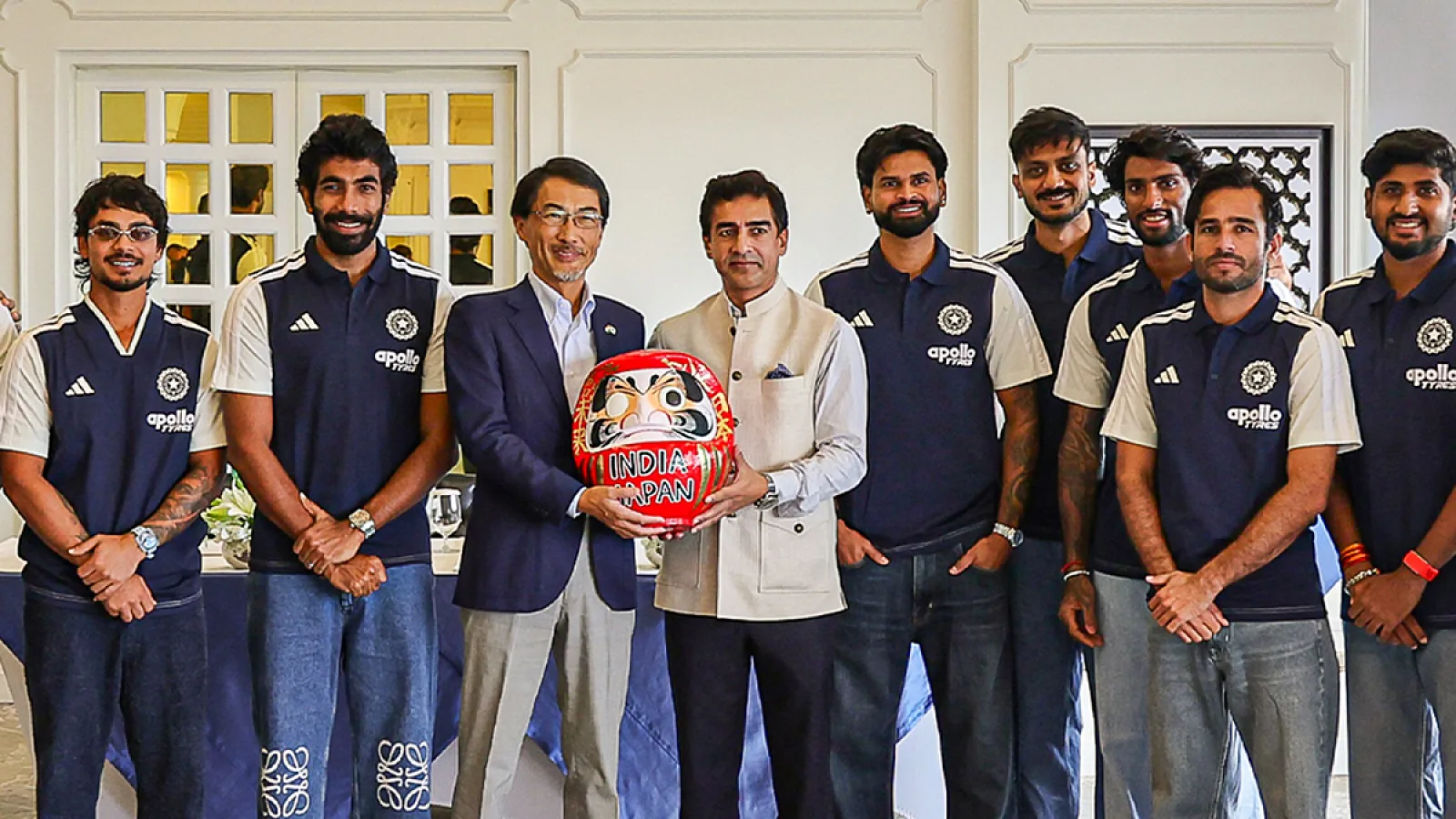
The Sano International Cricket Ground has been upgraded for the occasion, with temporary seating, VIP enclosures and ticketing facilities added for the fixture. The match, part of the Suzuki Cup and the celebrations marking 75 years of India-Japan diplomatic relations, will be the first international meeting between the two countries.
For the Japan Cricket Association, getting India to Sano is the result of months of planning. The venue was developed as a potential training base for teams participating in the Asian Games, with the playing surface prepared using local clay similar to that used at cricket facilities in Nagoya.
The timing also gives Japanese cricket an unusual platform. Tickets for the match have sold out, while the fixture has generated significant domestic attention.
That attention matters in a country where cricket remains a niche sport behind baseball and football. Yet its domestic footprint has been expanding. The Japan Cricket Association says registered players have nearly tripled over the past dozen years, while its Japan Cup T20 competition has grown dramatically.
The bigger challenge is converting that grassroots growth into mainstream participation. Japan’s school sports culture encourages children to specialise in one sport from a young age, leaving cricket with limited access to the existing school system. The sport has therefore relied on international exposure, corporate support and its growing presence at multi-sport events.
Japan’s progress on the field has also accelerated. Joining the Asian Cricket Council in 2023 has given the national team a more regular competitive calendar, while players with Japanese heritage who grew up in established cricketing countries have added experience to the squad. Japan has also recorded wins against Associate opponents including Papua New Guinea, Bahrain and Kuwait.
The India game arrives as another important step. It forms part of “Sport 75”, an initiative aimed at strengthening sporting exchanges between India and Japan, while Japan will also compete in the Asian Games.
The long-term target is bigger than Tuesday. Japan is looking towards the East Asia Pacific pathway and future T20 World Cup qualification, while using events such as the Asian Games to build competitive experience.
India’s presence can provide something Japanese cricket rarely receives: sustained attention. A packed Sano ground, international exposure and greater visibility could help the JCA make the case for more investment and more opportunities.
For Japan, the real achievement will be ensuring that when the India game ends, cricket remains visible.