




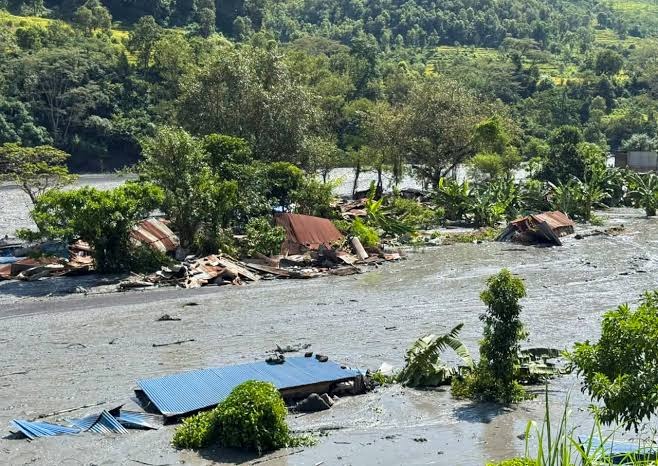
Nepal is being struck by fresh floods even as the country remains in the grip of a previous catastrophic flooding disaster that occurred less than two months ago. According to BBC World News, homes and bridges are being swept away in the new floods, adding to an already overwhelming humanitarian crisis. The timing of these successive disasters reveals the growing vulnerability of mountainous regions in South Asia to extreme weather events.
The earlier flooding that struck Nepal left thousands dead and missing, with many still unaccounted for as search and rescue operations continue. Recovery efforts from that disaster were only in their early stages when the fresh floods arrived. Communities had barely begun clearing debris and assessing damage when new rains brought fresh waves of destruction. The repeated flooding in such a short timeframe means that people who lost homes and livelihoods weeks ago are now facing displacement for a second time.
Nested in the Himalayas, Nepal faces particular challenges during monsoon season. The mountainous terrain makes rescue operations difficult, as landslides frequently block roads and cut off villages from aid and assistance. This geography, combined with limited infrastructure, means that when floods strike, communities become isolated very quickly. Roads that were damaged in the first flooding remain under repair, making it harder to reach affected areas during the second disaster. Local authorities and rescue teams are already stretched thin from managing the earlier emergency.
The back-to-back disasters highlight how climate patterns may be shifting in ways that increase the frequency and intensity of extreme weather in the region. When major flooding events occur within weeks of each other, it suggests that seasonal rainfall patterns are becoming less predictable and more dangerous. Communities built on flood-prone terrain that previously experienced major floods once a decade are now facing multiple disasters in rapid succession. This intensifying pattern has serious implications for how Nepal plans infrastructure and allocates limited resources for disaster preparedness.
The human cost compounds with each successive disaster. People who have already lost family members, homes, and savings must now prepare for another emergency. Temporary shelters and relief distribution systems set up after the first flood are now being destroyed. The psychological toll of repeated displacement in quick succession adds to the physical trauma of losing possessions and loved ones. What happens next depends on how quickly rescue operations can evacuate people to safety and whether additional aid can reach affected regions before waters rise further.