



India has recorded a 38% decline in tuberculosis (TB)-related deaths since 2015, exceeding the global reduction of 35%, according to the World Health Organization’s (WHO) Global TB Report 2026. However, India continued to account for nearly a quarter of all tuberculosis cases worldwide in 2025.
The report, released on Thursday, estimated that India’s TB mortality rate fell from 280 deaths per million people in 2015 to 180 per million in 2025.
Despite the improvement, India remained the country with the highest TB burden globally. It was among the eight countries that together accounted for 67% of worldwide cases in 2025. India contributed 25% of the global caseload, followed by Indonesia at 10%, the Philippines at 6.8%, China at 6.5% and Pakistan at 6.4%. Nigeria, the Democratic Republic of the Congo and Bangladesh accounted for the remaining share among the top eight.
The WHO said India’s TB estimates would undergo a separate review following an analysis of district-level sentinel surveillance data by the organisation, the Central TB Division and the Indian Council of Medical Research (ICMR). Updated estimates of TB incidence are expected in early 2027, after which the WHO will publish a revised country profile.
India also remained among four countries accounting for more than half of global multidrug-resistant TB cases in 2025, although the WHO and the Union Health Ministry reported a gradual decline in its incidence.
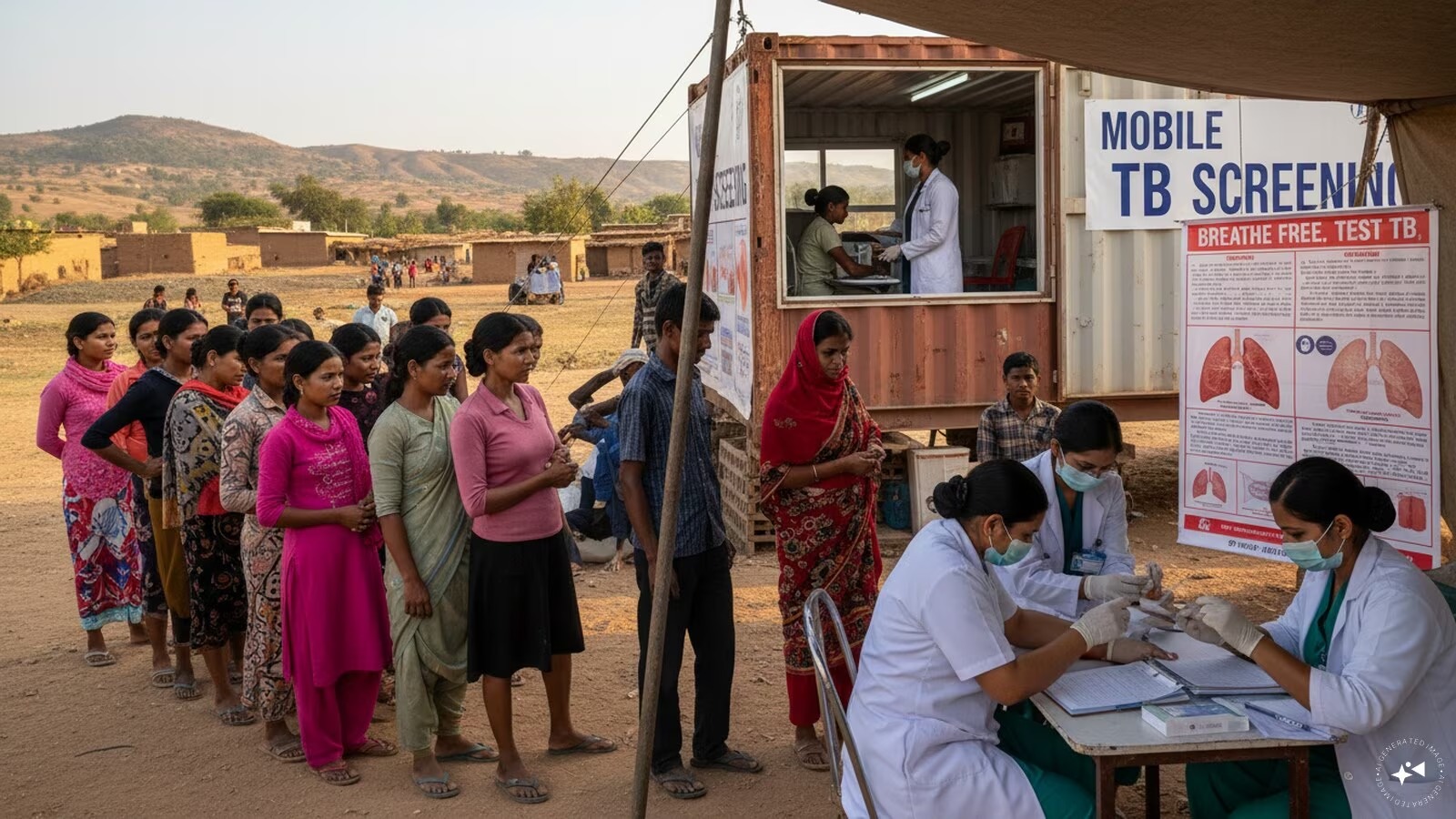
Reacting to the findings, the Health Ministry highlighted a treatment success rate of 94%, attributing progress to improved treatment delivery and patient support. It said more than 250 million people had been covered under intensified screening through the TB Mukt Bharat Abhiyaan, involving over 110 million chest X-rays and 30 million molecular tests.
These efforts led to the detection of 4.86 million TB cases, including 1.49 million asymptomatic cases, according to the ministry.
The WHO also noted that 96% of India’s TB programme funding requirements were met through domestic resources. The ministry attributed the progress to proactive case detection, AI-enabled X-rays, rapid diagnostics, nutritional assistance and initiatives under the National TB Elimination Programme.
Source: Business Standard