




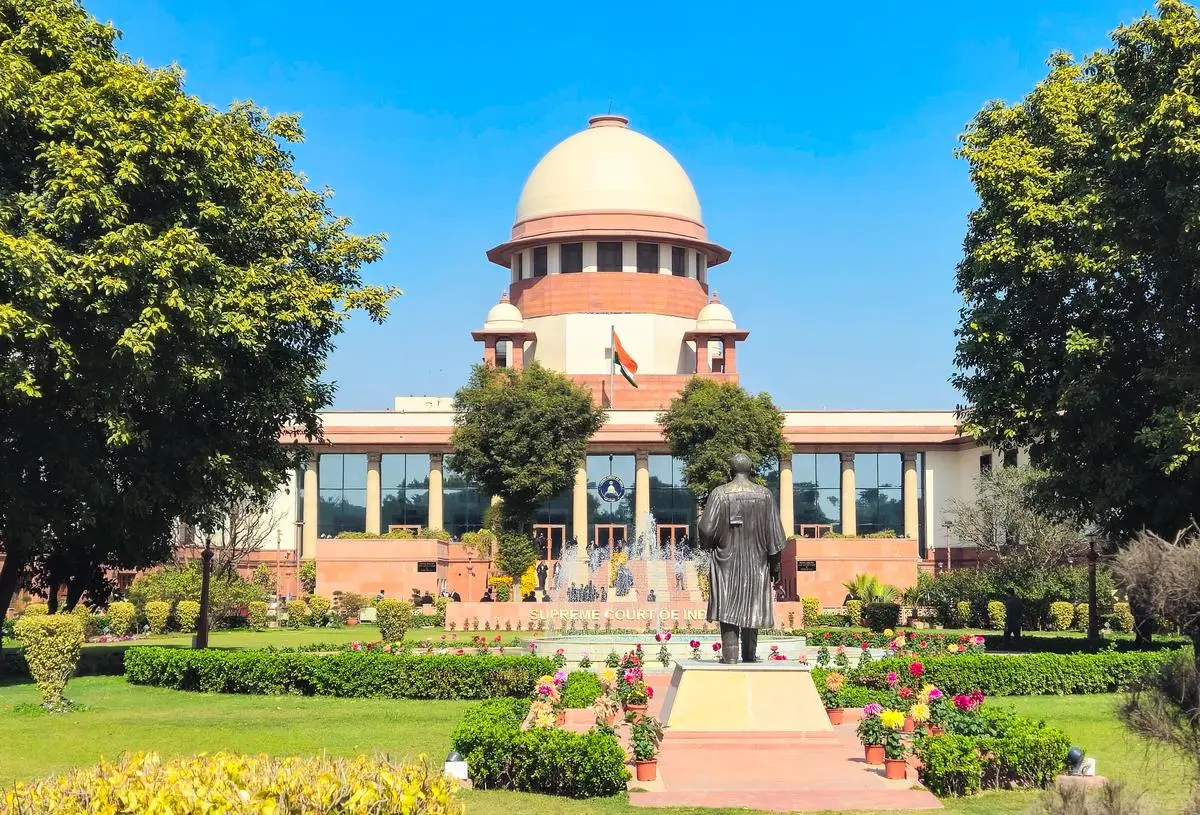
In a landmark ruling, the Supreme Court of India has rejected blanket age-based restrictions on internet access, holding that children possess the fundamental right to access and use the internet. The court affirmed that child safety and digital freedoms are not mutually exclusive, warning that outright bans could drive minors toward unregulated, high-risk websites or discourage them from reporting online threats out of fear of punishment.
The decision comes shortly after the Union government informed the court of plans to amend IT intermediary rules to restrict internet access for individuals under 18, alongside proposals in states like Andhra Pradesh seeking social media bans for minors. Overruling these restrictive measures, the apex court emphasized that safeguarding children requires robust, targeted security frameworks rather than curtailing their constitutional rights.
Expressing deep concern over the continued online proliferation of Child Sexual Abuse Material (CSAM), the bench criticized social media platforms and regulatory authorities for relying heavily on ad-hoc individual complaints. To address cross-platform circulation, the court directed the Centre to establish national databases of perceptual hashes and URLs, enabling platforms to coordinate, flag, and remove abusive content swiftly.
To ensure this framework is not misused, the court mandated strict verification protocols to prevent wrongful content deletion, a dedicated grievance redressal mechanism, and explicit rules prohibiting the repurposed use of hash databases for broader political or administrative censorship. Additionally, the court called for comprehensive digital safety awareness and sensitization programs starting at the primary school level, empowering young users to navigate online risks responsibly while seeking help when threatened.
Source: India Today