




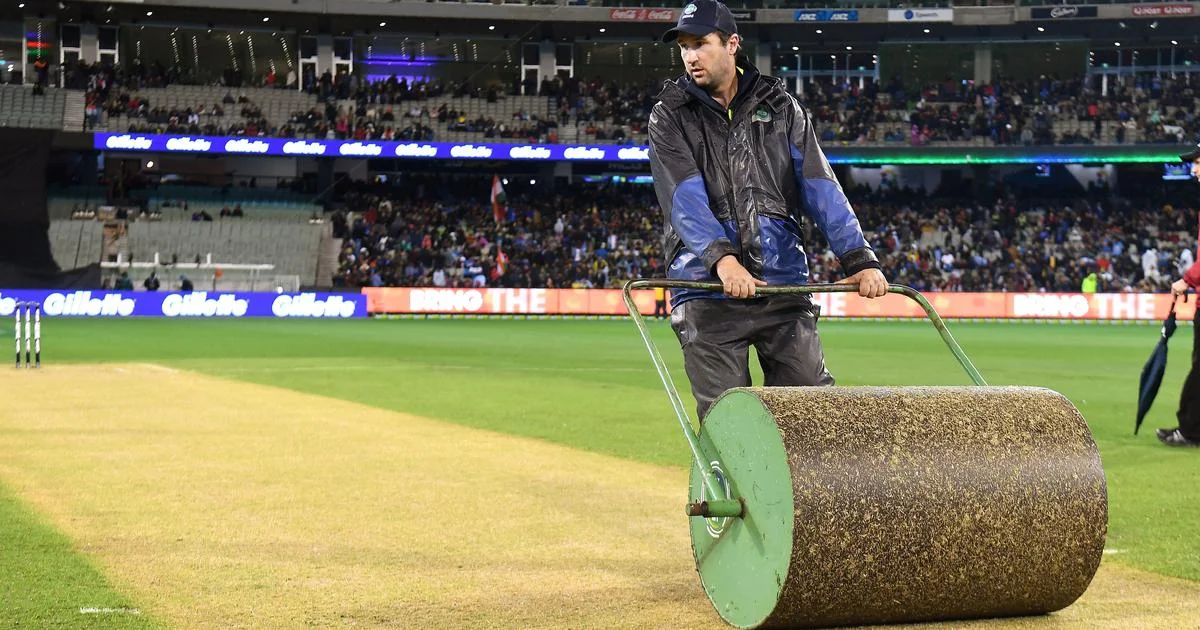
Cricket Australia is asking its curators to rethink how domestic pitches are prepared, with a simple new message: “If in doubt, favour the batter.” The shift comes amid growing concerns over the quality of batting in Australian cricket and the number of Tests ending before the third day.
Four of Australia’s last 20 home Tests have failed to reach a third day, while batting numbers have also fallen in the Sheffield Shield. Last season, the highest average among the top 10 Shield run-scorers was only 36.41. CA believes pitches are part of a wider problem that also includes modern batting techniques, the influence of shorter formats and changes to the Kookaburra ball.
The ball became more challenging after 2019, when an additional layer of lacquer and a reinforced seam altered its behaviour. Steven Smith’s numbers illustrate the change. He averaged 77.25 in 29 home Tests between 2010 and 2019, compared with 45.53 in 35 Tests since. Smith has also said that batting in Australia has become increasingly difficult as greener surfaces and a harder, more active ball have combined.
CA is therefore not asking curators to produce flat pitches. Instead, the change is expected to come through small decisions during preparation – thinning the grass, removing a little more from the surface or giving the pitch an additional roll. The objective remains a genuine contest between bat and ball, with enough assistance for bowlers to keep matches moving towards results.
The debate has parallels in other cricketing nations. Indian pitches, for instance, have traditionally offered greater assistance to spin, particularly as Tests progress, giving home attacks an advantage in conditions they understand best. The larger question is where home advantage ends and an unbalanced contest begins.
For Australia, the upcoming Sheffield Shield season will provide an early test of the new philosophy. CA is hoping that slightly more batter-friendly conditions can help develop a stronger generation of red-ball batters without taking away the challenge that makes Test cricket compelling.