




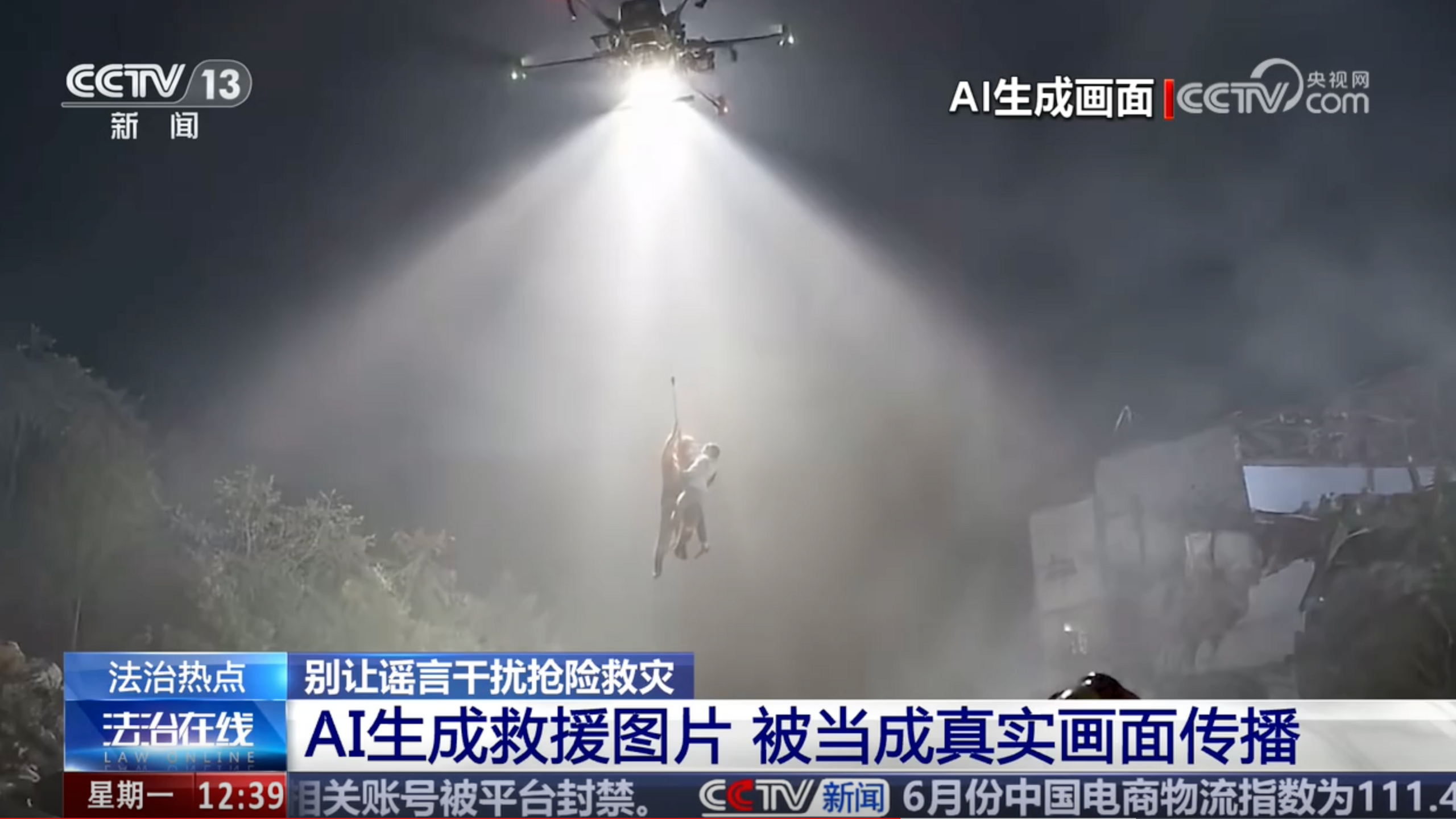
China is facing a new problem during natural disasters: fake videos spreading faster than actual news. Over the past few months, as storms and floods hit different parts of the country, social media platforms have been flooded with AI-generated videos, or deepfakes, that show false scenes of damage, rescue operations, and emergency situations that never happened.
The fake videos are created using artificial intelligence technology that can manipulate images and videos to show things that didn’t occur. During recent flooding in cities like Beijing and other regions, these deepfake videos mixed with real footage, making it impossible for ordinary people to know what actually happened. Some videos showed exaggerated damage. Others showed rescue scenes that were entirely made up. People shared these videos without checking if they were real, spreading misinformation to millions of followers.
This matters because during emergencies, accurate information saves lives. When people believe fake videos about floods or storms, they may make wrong decisions about where to go, what to buy, or how to prepare. False rescue videos can make people think help is arriving when it isn’t. Fake damage videos can cause unnecessary panic or, opposite, make people ignore real dangers. Authorities also struggle because they have to spend time debunking false information instead of focusing on actual emergency response.
The problem reveals a larger challenge for China’s internet ecosystem. Social media platforms like Weibo, Douyin, and WeChat have billions of users who share content instantly. AI video creation tools have become easier and cheaper to use. There is no simple way to instantly verify if a video is real or fake, even for trained experts. During the chaos of a natural disaster, when people are scared and looking for information, deepfakes spread particularly fast because emotions override fact-checking.
China’s government has started taking action. In recent months, authorities have issued warnings about deepfakes during emergencies and asked platforms to remove fake disaster videos. Some platforms have added labels or warnings to unverified videos. However, experts say this is still not enough. The technology is advancing so quickly that detection tools struggle to keep pace. By the time one type of fake video is identified, new ones are already spreading.
What happens next depends on whether platforms can build better detection systems and whether people develop habits of verifying information before sharing. The challenge is global but particularly acute in China, where disasters are frequent and digital information moves at unprecedented speed.