



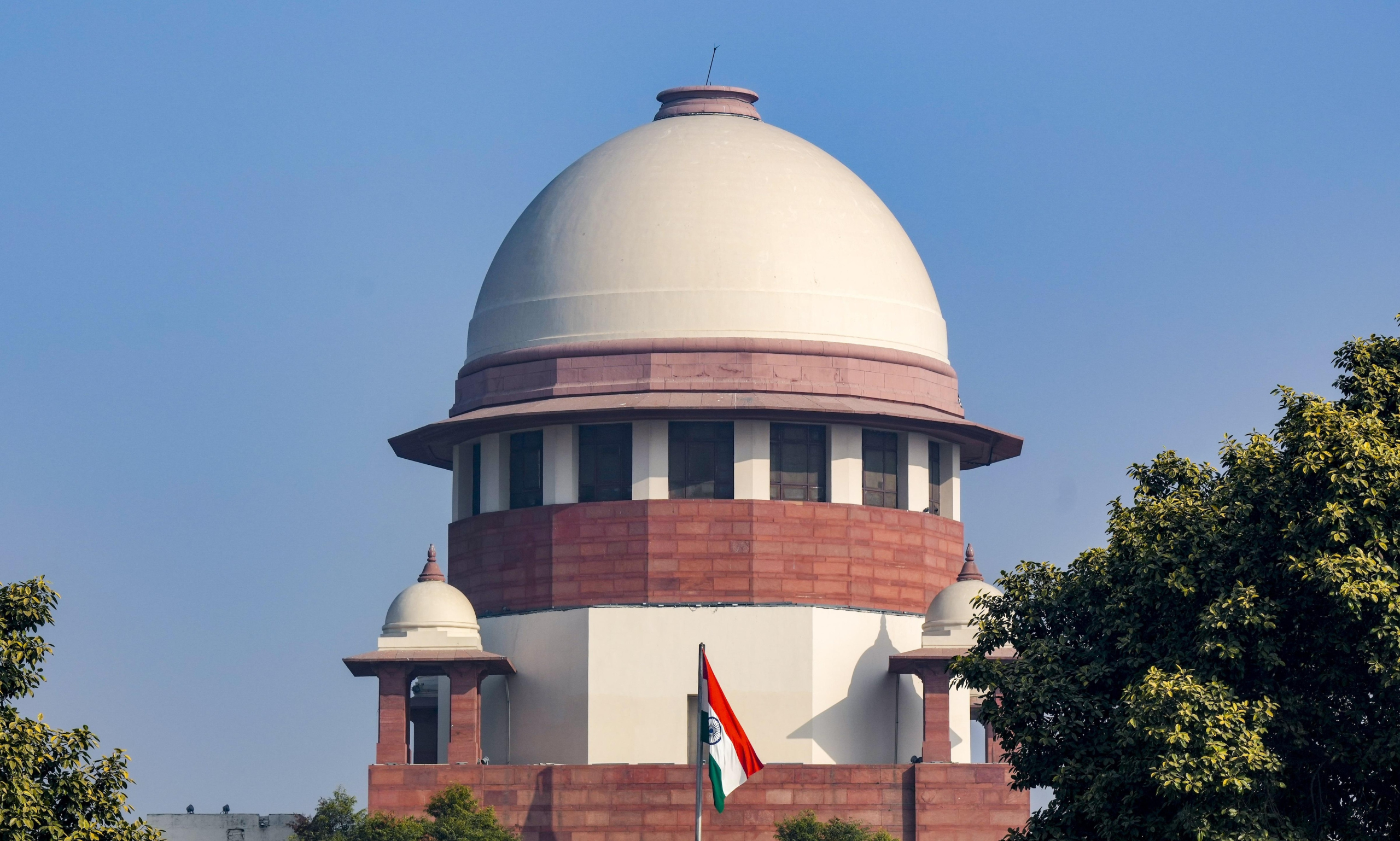
The Supreme Court on Friday raised concerns over the closure of Metro station entry gates ahead of the October 10 CJP protest in Delhi. It said the restrictions would affect thousands of commuters, including students, employees and senior citizens travelling from Gurugram, Greater Noida and other parts of Delhi-NCR. Chief Justice of India Surya Kant said, “Everybody does not have a car… You cannot bring everything to a halt and leave people without any transport facility.”
The court asked the Centre to ensure that train services to Delhi and metro operations are not completely suspended. It said there shall be no complete prohibition on movement of metro trains. Services should continue in a regulated manner to minimise inconvenience to the public.
The observations came as senior advocates led by Kapil Sibal moved the Supreme Court against the cancellation of trains and the proposed closure of Metro stations. The protest, called by the Cockroach Janta Party (CJP), is against Chief Election Commissioner Gyanesh Kumar.
During an earlier hearing, a bench led by CJI Surya Kant asked why the protesters had not challenged Delhi Police’s decision to deny permission for the demonstration at Jantar Mantar. The court said it could not consider easing the restrictions unless the denial was challenged. Justice Joymalya Bagchi observed that a protest without permission would be unlawful. Sibal, appearing for CPM MP M A Baby, argued that every citizen has the right to protest, even spontaneously. The court said the right to peaceful protest at a designated place exists, but holding a demonstration without permission could expose protesters to prosecution.
The bench indicated it could consider easing the restrictions if the organisers challenged the denial and gave assurances about the gathering. It could seek details on the expected turnout, along with undertakings that protesters would remain peaceful and not carry weapons.
CJP founder Abhijeet Dipke questioned the police decision. He argued that Jantar Mantar is a designated protest site and police permission is not required there. Criticising the cancellation of trains to Delhi, he said, “Shut down entire country if you are scared of youth.”
Delhi Police had denied permission, citing short notice, alleged violations during a previous demonstration, and concerns over public safety, law and order and traffic management. Joint commissioner of police Nupur Prasad said the application from CJP co-convener Saurav Das was received at very short notice, while the guideline requires 10 days. She also said that on an earlier occasion, when CJP was given permission to protest there, it did not follow lawful directions or its own undertakings.
Source: Times of India