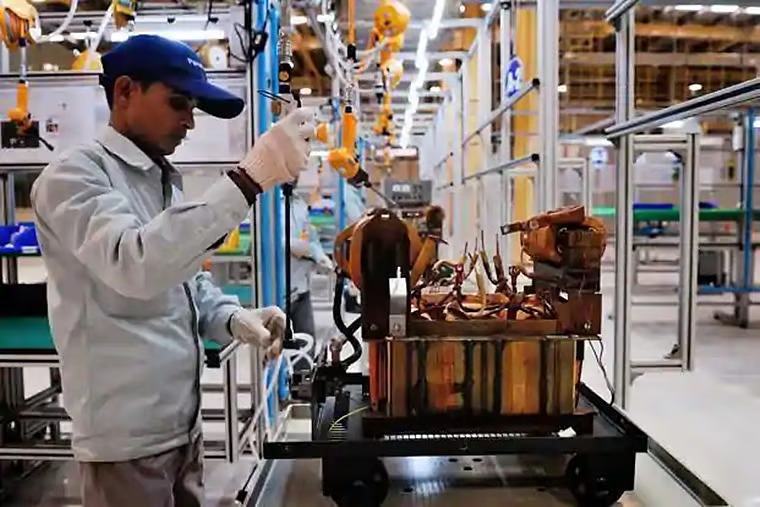




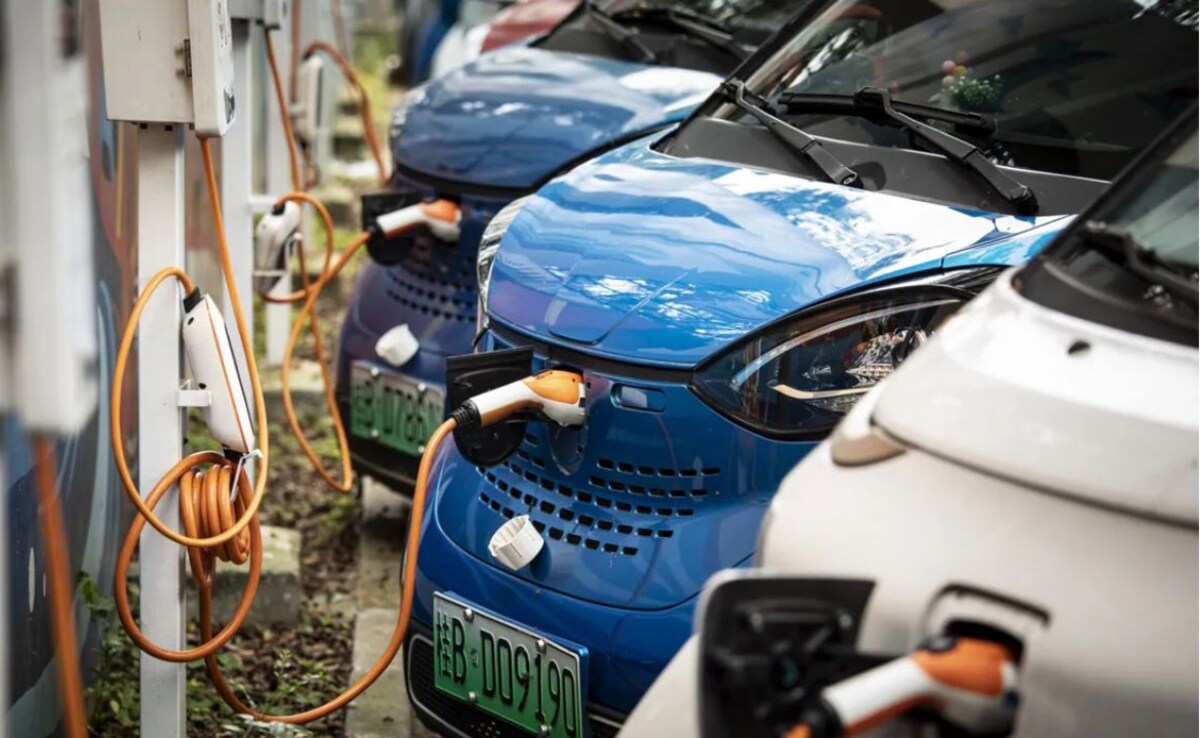
Nearly five months after Delhi introduced its Electric Vehicle Policy 2026, subsidies aimed at encouraging the shift to electric auto-rickshaws and goods carriers have received a weak response, raising questions about the pace of commercial vehicle electrification in the capital.
Government data show that no applications have been received for the purchase incentive offered to electric autos, while electric goods carriers have attracted just 37 applications. The response to scrapping incentives has been similarly limited. No applications have been filed for the Rs 25,000 incentive to scrap conventional-fuel three-wheelers, while only one application has been received for the Rs 50,000 goods-carrier scrapping incentive.
The figures stand in sharp contrast to the response for electric two-wheelers, which have received 12,584 purchase-incentive applications. The separate Rs 10,000 scrapping incentive for older two-wheelers has attracted 237 applications.
The policy aims to replace fossil-fuel-powered commercial vehicles, which cover long distances daily and contribute significantly to urban air pollution. From January 1, 2027, Delhi will register only electric auto-rickshaws, making the limited uptake particularly significant with the deadline approaching.
Industry executives have cited technical problems with the Delhi EV portal. Some electric goods-carrier models certified under central government schemes are reportedly not appearing on the portal, preventing customers from submitting eligible subsidy applications. Government sources, however, said the number of models meeting localisation requirements remains limited.
Transport operators have also pointed to high purchase and maintenance costs and inadequate charging infrastructure. Auto-rickshaw drivers say charging takes considerably longer than refuelling a CNG vehicle, while the Rs 50,000 purchase incentive is insufficient to make the transition attractive. Their representatives have called for subsidies of at least Rs 1.5 lakh.
Delhi Transport Minister Pankaj Singh said the cost of electric commercial vehicles remains high but expressed confidence that adoption would improve as charging infrastructure expands.
The policy currently offers its highest purchase incentives in the first year, with subsidies for electric autos declining from Rs 50,000 to Rs 40,000 and then Rs 30,000 over the following two years. For electric goods vehicles, the first-year incentive goes up to Rs 1 lakh.
Source: The Indian Express