




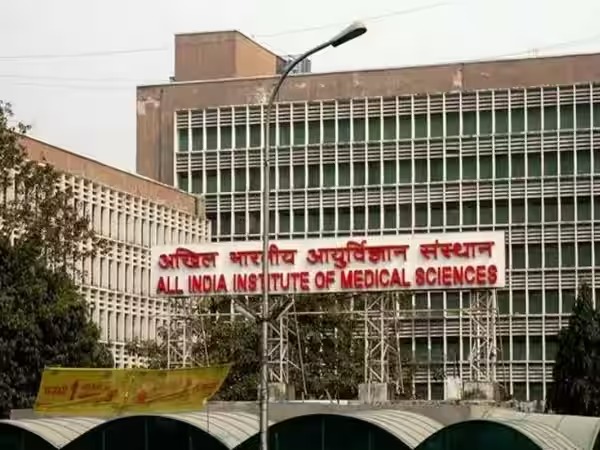
Delhi’s severe air pollution can trigger respiratory problems and increase the risk of cardiovascular emergencies, with children, elderly people and those with existing health conditions particularly vulnerable, according to an AIIMS expert quoted by The Indian Express.
The city’s air quality deteriorated sharply around Diwali, with pollution levels reaching the severe category at several monitoring stations. Exposure to high concentrations of fine particulate matter can affect the lungs and cardiovascular system, while prolonged exposure may contribute to long-term health complications.
Dr Saurabh Mittal, Associate Professor in the Department of Pulmonary Medicine at AIIMS, Delhi, explained that short-term exposure to very high pollution levels can aggravate asthma and chronic obstructive pulmonary disease (COPD). It can also increase the risk of cardiovascular events, including heart attacks.
Fine particulate matter can penetrate deep into the respiratory system and enter the bloodstream, contributing to inflammation and placing additional stress on the heart and blood vessels.
The risks are particularly significant for people with pre-existing respiratory or heart conditions. Children and older adults are also more susceptible to the effects of polluted air.
Long-term exposure can have cumulative consequences for respiratory and cardiovascular health. The severity of the impact depends on the concentration of pollutants, duration of exposure and an individual’s underlying health.
The expert’s observations underline the health implications of Delhi’s recurring pollution episodes, which intensify during the winter months and around the festive season.
Source: The Indian Express