



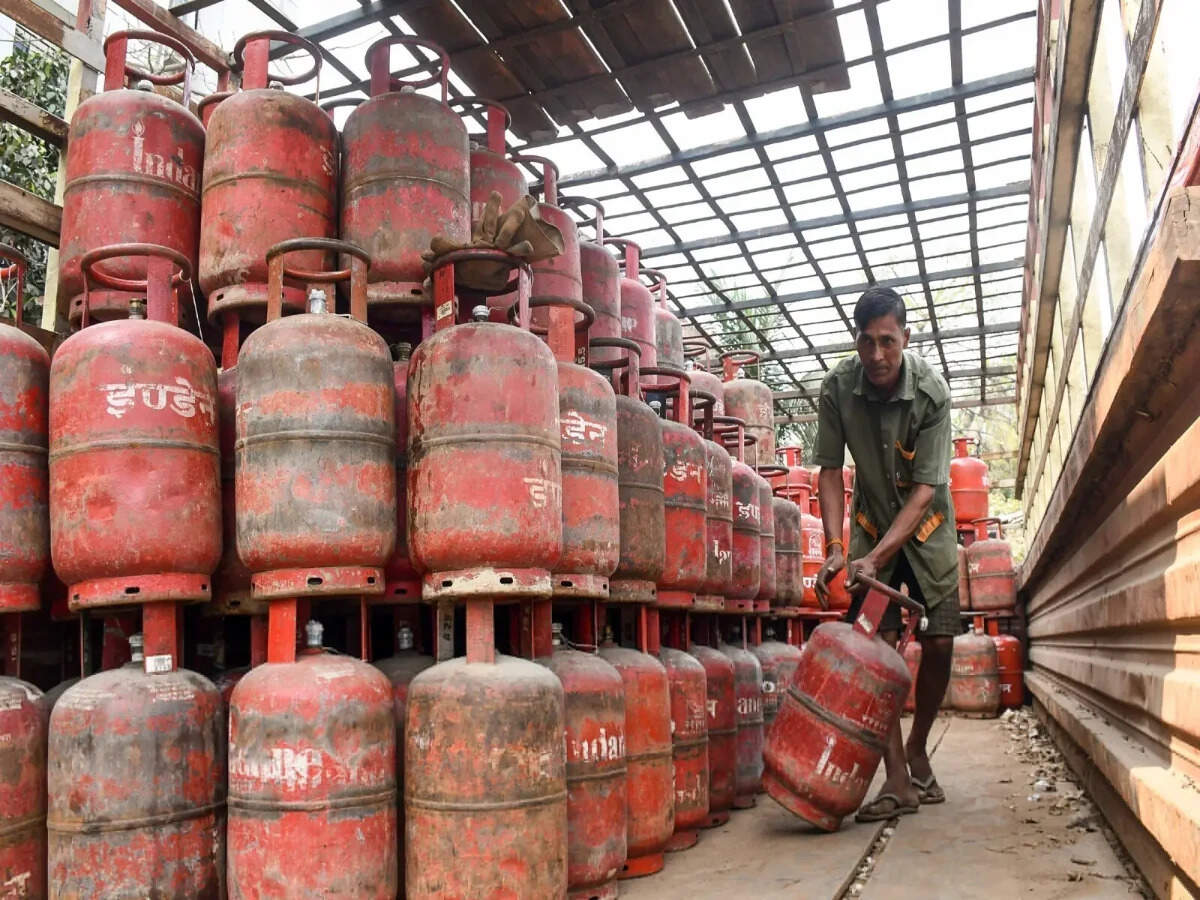
Only 23 percent of rural Indian households cook exclusively with liquefied petroleum gas (LPG), according to a new study by the Council on Energy, Environment and Water (CEEW). This finding exposes a significant gap in one of India’s largest cooking fuel programs. The Pradhan Mantri Ujjwala Yojana, launched in 2016, has distributed free LPG connections to 9 crore rural families with the stated goal of replacing cooking fires that produce indoor smoke. Yet most households that received these connections continue burning wood, animal dung, and coal alongside gas, a pattern researchers call “fuel stacking.”
The scheme aimed to eliminate indoor air pollution by switching families to clean fuel. Government announcements have repeatedly cited connection numbers as proof of success. But the CEEW research reveals that counting connections does not measure actual cooking behavior or health improvement. Families mix fuels because they face practical barriers. Refilling LPG cylinders costs money that stretches household budgets. Supply networks in many rural areas remain weak, making cylinders unavailable or unreliable. Cooking traditions passed down through generations create resistance to full fuel switching. Some families use gas for certain cooking tasks while retaining open fires for others.
This matters because indoor air pollution from cooking fires is one of India’s largest health killers. The World Health Organization ranks it among the top ten health risks in the country. Over 1 lakh Indians die annually from illnesses caused by breathing smoke in their own kitchens. Women and children face the highest exposure, as they spend the most time near stoves. Smoke from burning wood and dung contains particulate matter and toxic gases that cause respiratory diseases, heart problems, and premature death. Exclusive use of LPG would eliminate this pollution source entirely.
The CEEW findings suggest that policy success requires more than distribution numbers. Families need affordable refill costs, reliable supply chains, and sometimes education about health benefits. Cooking fuel programs must measure outcomes like exclusive LPG use or reduction in indoor air pollution, not just connections handed out. The gap between Ujjwala’s connection target and its actual health impact points to a broader issue in how Indian government programs define and measure success. Future programs will need to address affordability, supply reliability, and behavior change alongside equipment distribution.