




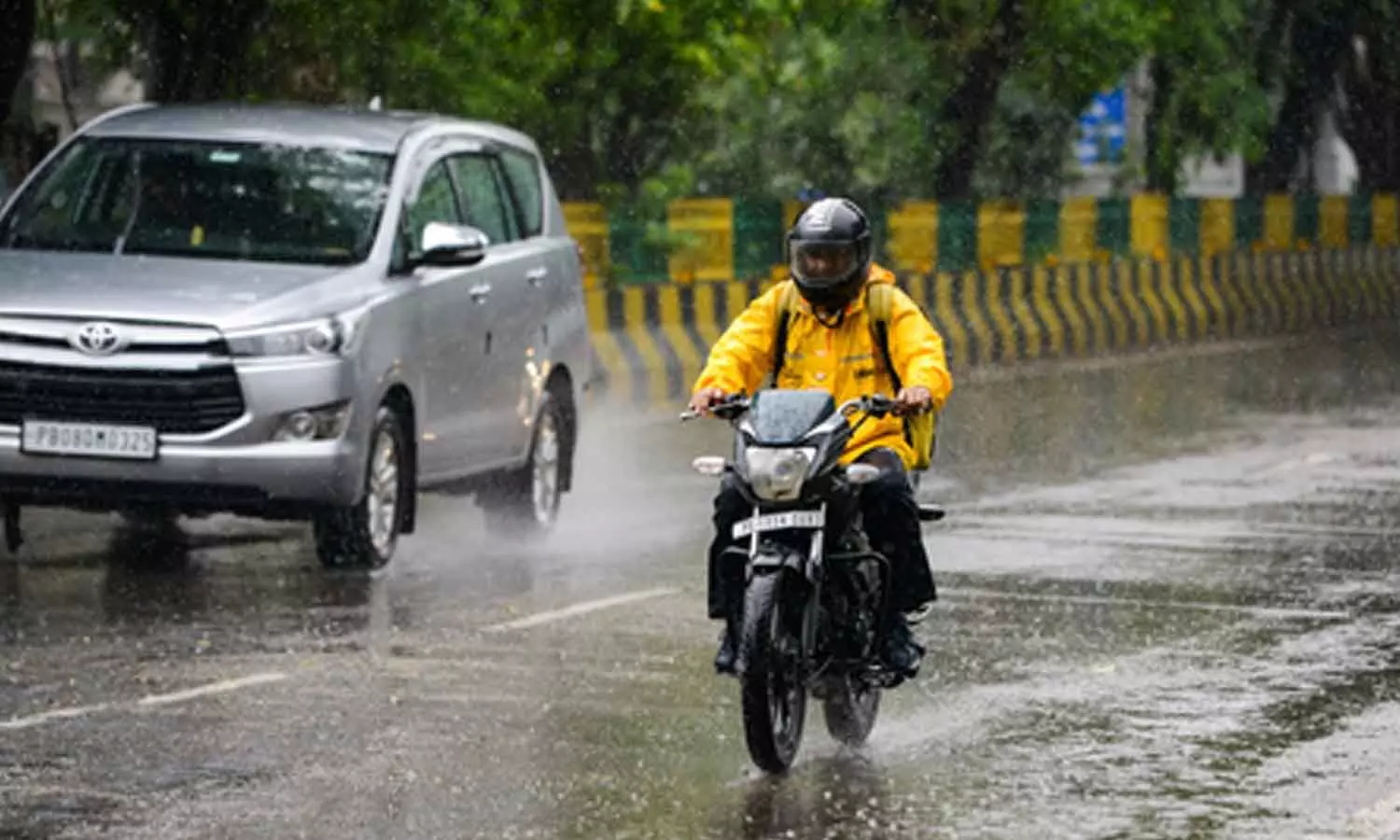
Four lakh app-based drivers and delivery workers across India are planning a strike beginning August 8 to demand better pay and workplace protections. The protest, reported by Andhrabhoomi, represents one of the largest coordinated actions by gig workers in recent years and signals growing frustration with working conditions on digital platforms.
Gig workers have complained that earnings have fallen while platform deductions have increased. Most drivers and delivery partners earn between 20,000 and 30,000 rupees monthly after accounting for platform commissions, fuel costs, vehicle maintenance, and mobile data charges. Unlike regular employees, they receive no health insurance, accident coverage, paid leave, or pension benefits.
The strike reflects a fundamental dispute about worker classification. Ride-hailing and food delivery platforms argue that drivers are independent contractors who control their working hours and earnings potential. Workers, however, contend that platforms exercise significant control over them. Platforms set prices, use algorithms to decide which tasks workers receive, and can deactivate accounts without transparent explanation. This combination of control and lack of protections has made many gig workers reconsider their status.
Previous protests in 2020 and 2021 led to discussions with state authorities and resulted in some voluntary measures by platforms, including temporary rate increases and limited insurance schemes. These changes proved insufficient and often temporary. Workers remain without formal bargaining mechanisms or written agreements that guarantee minimum protections.
The August timing carries strategic weight. Delivery platforms experience peak demand during monsoon season, meaning a strike could pressure platforms to negotiate. The timing also coincides with several state governments drafting gig worker protection bills, though few have been passed into law. Karnataka approved a gig worker policy in 2021, but implementation has been slow.
This strike reveals the growing gap between India’s rapid digital economy and worker protections. Ride-hailing and delivery apps have created millions of jobs, but without corresponding safety nets or fair compensation frameworks. As platforms continue expanding into smaller cities and towns, questions about worker rights remain largely unresolved. The August strike will test whether platforms will move toward formal negotiations or whether workers must continue building pressure through coordinated action.
Source: Andhrabhoomi