




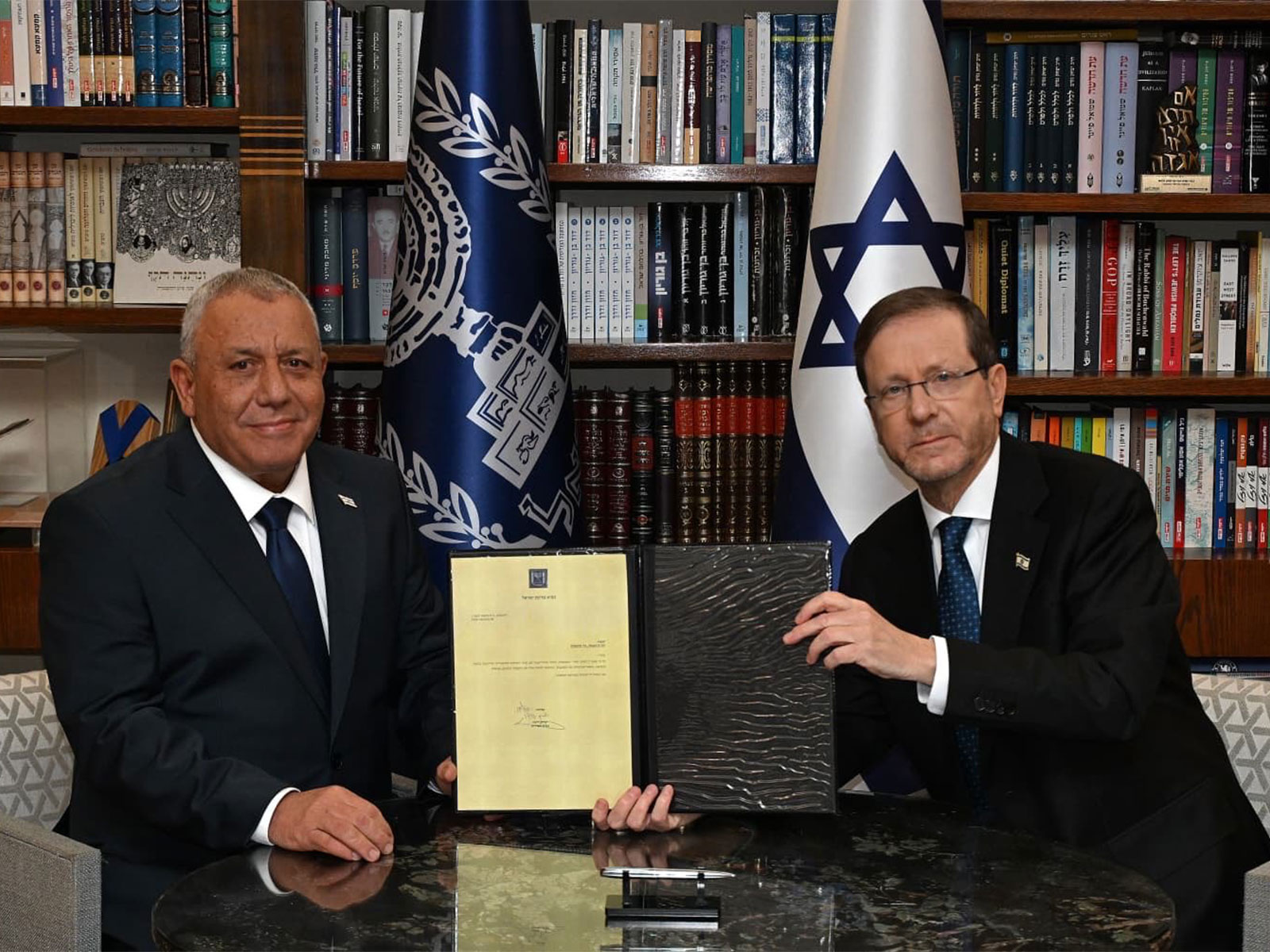
Gadi Eisenkot has secured the mandate to form Israel’s next government, bringing opposition parties closer to potentially unseating Prime Minister Benjamin Netanyahu. However, the former Israel Defense Forces (IDF) chief faces a difficult coalition-building exercise, with his bloc 13 seats short of the 61 required for a parliamentary majority.
President Isaac Herzog tasked Eisenkot with forming a government on November 8, following consultations with political parties after Israel’s October 27 parliamentary elections.
The 120-member Knesset emerged divided, with Eisenkot’s Yashar-led opposition bloc winning 48 seats and Netanyahu’s Likud-led bloc securing 53. Although Netanyahu’s alliance emerged with the larger tally, representatives of parties holding 67 seats recommended Eisenkot for the mandate. This included the support of the Arab parties Joint List and Ra’am, which together hold 19 seats.
The recommendations helped Eisenkot secure the mandate, but he must now win at least 61 votes in a confidence vote to form a government.
Arab parties or ultra-Orthodox allies?
Eisenkot has two principal routes to a majority. He could seek support from the Arab parties, which have indicated their willingness to cooperate to keep Netanyahu out of office. However, Avigdor Liberman, leader of Yisrael Beytenu and an ally of Eisenkot, has ruled out forming a government with the support of the Joint List or Ra’am, including relying on their abstentions.
The alternative is to approach the ultra-Orthodox parties Shas and United Torah Judaism (UTJ), which together hold 13 seats. Their support could take Eisenkot’s bloc from 48 to the required 61.
But this option carries its own complications. Both parties have previously backed Netanyahu, while disagreements over exemptions from compulsory military service have strained their relationship with Likud.
Eisenkot, a former military chief, has opposed blanket exemptions for ultra-Orthodox men studying in religious seminaries. An agreement with Shas and UTJ could therefore require compromises on conscription, potentially alienating the Arab parties whose backing helped him secure the mandate.
A tight deadline
Eisenkot has 28 days to form a government, with a possible 14-day extension from Herzog. If he fails, the president can assign the task to another Knesset member, setting off another round of negotiations.
The immediate challenge is to assemble a majority without losing the support of parties with sharply conflicting positions. Eisenkot’s ability to balance those demands will determine whether he can turn the presidential mandate into a functioning government.
Source: India Today