




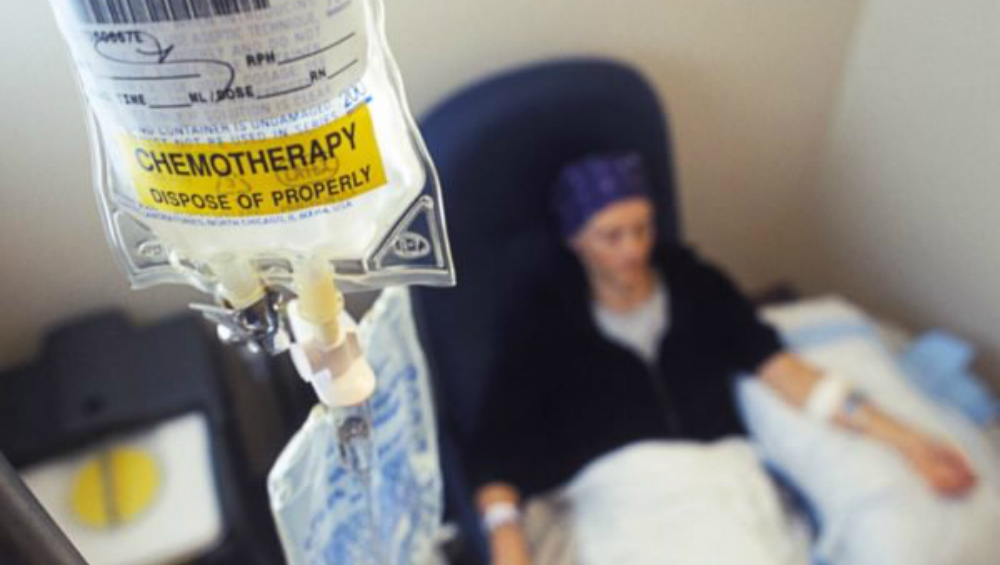
India’s government has taken a controversial step to address severe shortages of two critical cancer drugs by approving price increases for cisplatin and carboplatin. The Centre granted in-principle approval using special powers under Para 19 of the Drugs Price Control Order, or DPCO. This move allows manufacturers to raise prices, with final numbers to be decided by the National Pharmaceutical Pricing Authority, or NPPA, after further review.
Cisplatin and carboplatin are among the most widely used chemotherapy drugs in India. They treat common cancers including lung cancer, ovarian cancer, bladder cancer, and several others. For many Indian patients, these drugs are not optional extras. They are frontline treatments. Over the past months, both drugs have become increasingly difficult to find in hospitals and clinics across the country. Some hospitals have had to postpone cancer treatment for patients waiting for these medicines to become available.
Manufacturers have told the government that they cannot produce these drugs at current prices. They cite two main reasons: raw material costs have risen sharply, and production expenses have increased. In many cases, the raw materials come from outside India. Global price fluctuations directly affect what Indian companies pay. When costs rise but medicine prices stay frozen, manufacturers say they cannot justify continued production. Some companies have simply stopped making these drugs altogether, worsening the shortage.
The DPCO is India’s main tool for controlling medicine prices and ensuring affordable healthcare. Under normal rules, any price change must go through a lengthy review process. Para 19 is a special provision that allows the government to bypass some of these steps during genuine shortages or supply emergencies. The government believes invoking this power will speed up the approval process and get medicines back into production faster.
However, the decision has triggered concern among doctors, patient groups, and healthcare workers. They worry that making these drugs more expensive will not solve the shortage problem. Instead, it may push the burden onto patients. Many Indians undergoing cancer treatment come from middle or lower-income families. They already struggle to afford treatment. Higher drug prices could force patients to delay treatment, skip doses, or abandon therapy altogether. For cancer patients, any treatment delay can be serious. It can allow tumors to grow or spread further, reducing survival chances.
Some patient advocates also point out a logical problem with the logic behind the price hike. If patients cannot afford the drugs, they will not buy them. If patients do not buy them, manufacturers still will not produce them, even at higher prices. The shortage will persist. The real solution, critics argue, must involve subsidies or government support to keep prices affordable while helping manufacturers cover costs.
The shortage of cisplatin and carboplatin has already changed how doctors treat cancer in India. Some hospitals have switched patients to more expensive chemotherapy alternatives, pushing treatment costs higher for families. Others have rationed available stock among multiple patients, reducing individual doses. A few have delayed treatment for weeks, hoping supplies return.
The government has not yet announced what the final price increases will be. The NPPA is expected to conduct a detailed review of manufacturer claims about rising costs. It will look at global price trends, production data, and profit margins. The final decision is expected within the coming weeks. Once prices are set, they will apply across India.
This situation highlights a broader problem in Indian healthcare: the tension between keeping medicines affordable and ensuring they are actually available. Price controls aim to protect poor and middle-class patients. But if prices are set too low, manufacturers stop producing drugs, and shortages follow. Patients who cannot find medicines at any price are worse off than those who can afford higher prices. Finding the right balance remains a persistent challenge for India’s healthcare system.