




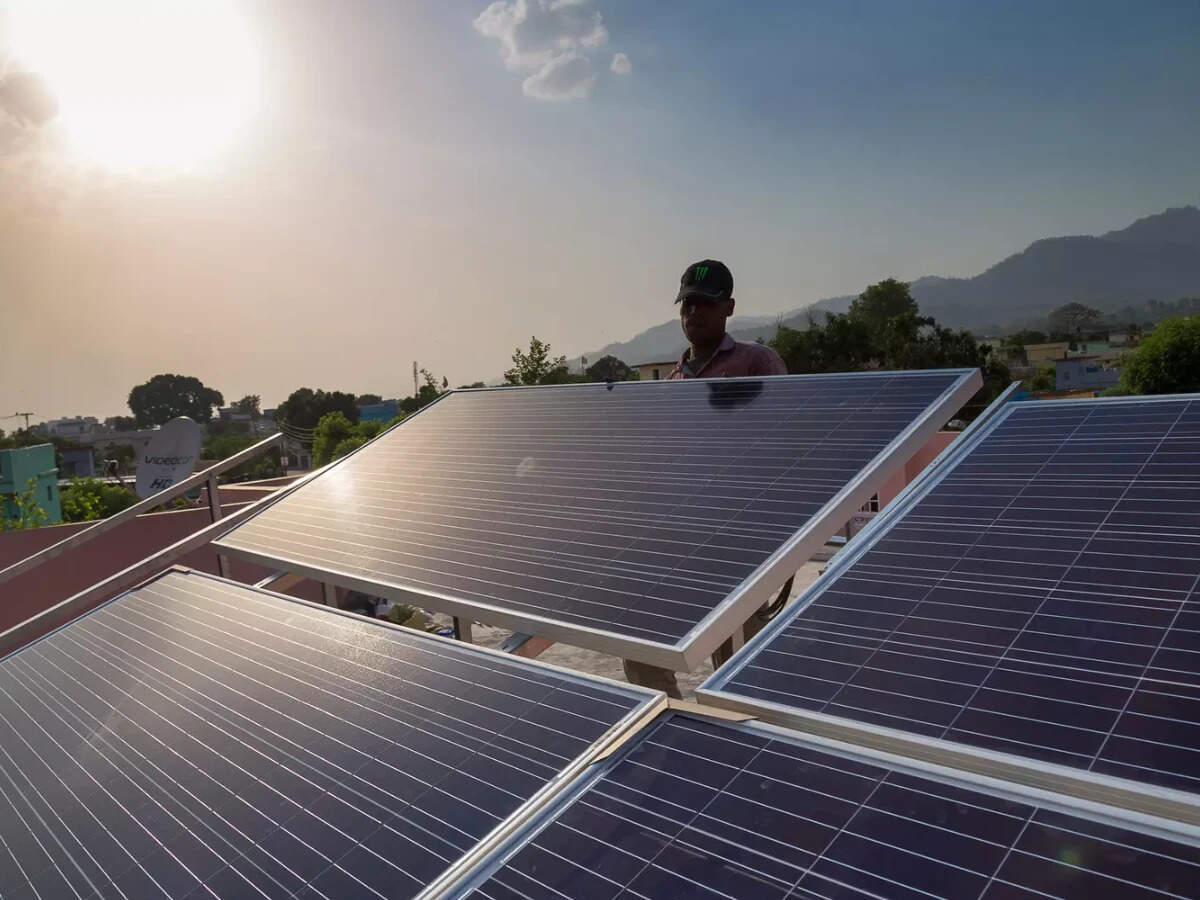
India is on course to meet its 2030 climate goals, but a United Nations assessment has sounded an alarm about the rest of the world. According to ET Finance reporting, India’s renewable energy expansion and planned emissions reductions are proceeding at a pace consistent with these targets. However, the UN’s latest climate analysis indicates that global efforts remain dangerously insufficient to limit temperature rise to safe levels.
India’s progress centers on three main areas: increasing renewable energy capacity, reducing reliance on coal, and improving energy efficiency across industries and homes. The country has committed to installing hundreds of gigawatts of renewable capacity by 2030. Current investments in solar farms and wind turbines suggest this target is achievable. India’s renewable energy sector has grown significantly over the past decade, creating jobs and reducing production costs that make clean energy increasingly competitive.
The UN’s warning, however, highlights a fundamental problem: one country meeting its targets is not enough. Climate change is a global challenge. If India transitions to clean energy but other major economies continue emitting at current rates, atmospheric carbon will still accumulate. The UN assessment suggests that every major economy, including developed nations responsible for most historical emissions, needs to accelerate its climate action immediately.
For Indians, this creates both opportunity and complexity. Renewable energy jobs are emerging in manufacturing, installation, and maintenance. Lower electricity costs could benefit millions. Cleaner air would reduce respiratory diseases in cities. But meeting 2030 targets while managing the economic transition from coal requires careful planning. India still relies on coal for roughly 70 percent of its electricity generation, and coal mining employs hundreds of thousands.
The broader implication is that India’s success depends partly on choices made elsewhere. If other countries do not cut emissions, global warming accelerates anyway. This means India has legitimate interest in pushing other nations to act faster. Conversely, if India slows its own transition, global targets become even harder to reach. The interconnected nature of climate change means that every country’s actions affect every other country’s future.
The next steps are critical. India must continue scaling renewable capacity while managing workforce transition in coal regions. The government faces pressure to maintain momentum even as other countries may hesitate. Success requires sustained investment, policy consistency, and public support for the cost of transition.
Source: ET Finance