




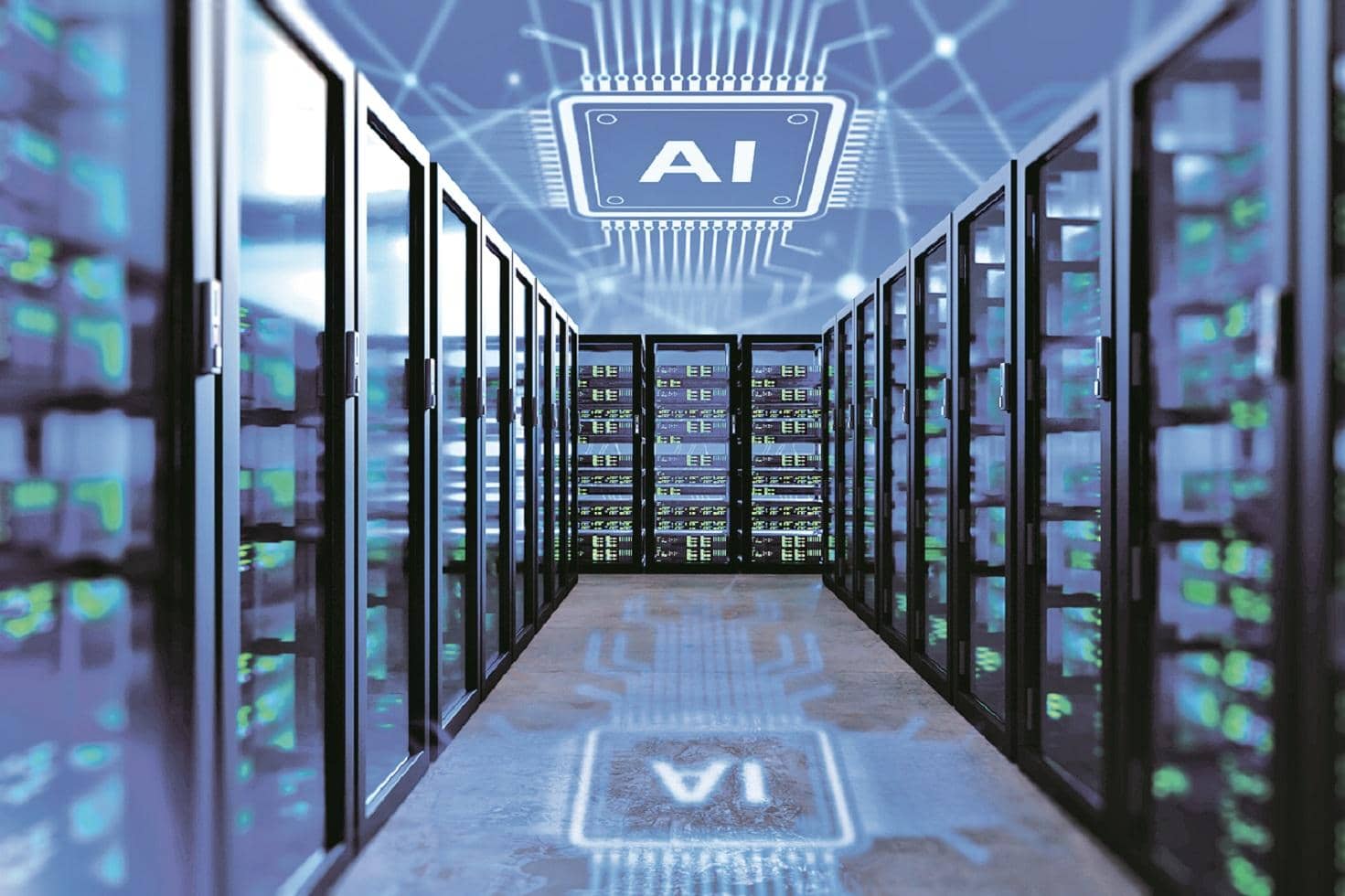
India’s artificial intelligence data centre boom is colliding with the country’s water crisis. Data centres, the massive computer warehouses that power cloud computing and AI models, require constant cooling to prevent overheating. Many currently use water-based cooling systems that consume extraordinary quantities of water daily. A single large facility can use as much water in one day as a town of 100,000 people uses in a month.
According to Business Standard reporting, some companies are now shifting to air-based cooling systems to reduce water consumption as data centre expansion accelerates across India. The country is attracting major investment from Amazon, Google, Microsoft, and other tech giants building AI infrastructure. But this growth is concentrated in water-stressed regions like Tamil Nadu, Telangana, and Karnataka, where water shortages already affect millions of people and agricultural productivity.
The pivot to air cooling reveals a deeper problem: India faces a trade-off between two critical resources. Air-cooled data centres consume far more electricity than water-cooled systems, sometimes 30 to 40 percent more. In a country where coal still powers the majority of electricity generation, increased data centre power demand directly translates to higher carbon emissions and greater strain on power grids during peak hours. Shifting water stress to electricity stress solves nothing.
The real issue is absence of policy. India has no national framework governing how much water data centres can extract or how much power they can consume. Individual companies make decisions based on cost, not sustainability. The United States and some European countries have begun setting limits and requiring environmental impact assessments. India has not. This leaves rapid infrastructure growth essentially unmanaged.
Water scarcity affects farming, drinking supplies, and industrial production across India already. When data centres consume thousands of liters daily in regions facing acute shortages, the impact extends beyond the tech sector. Farmers lose irrigation access. Towns face drinking water cuts. Local groundwater levels decline faster. The data centre industry is not separate from these consequences; it is part of the same resource competition.
What happens next depends on whether policymakers intervene before data centre expansion accelerates further. Setting standards for water consumption, power efficiency, and location requirements would slow some projects but ensure sustainability. Without such rules, India risks building digital infrastructure that functions only by depleting the water and energy security of the regions hosting it.