



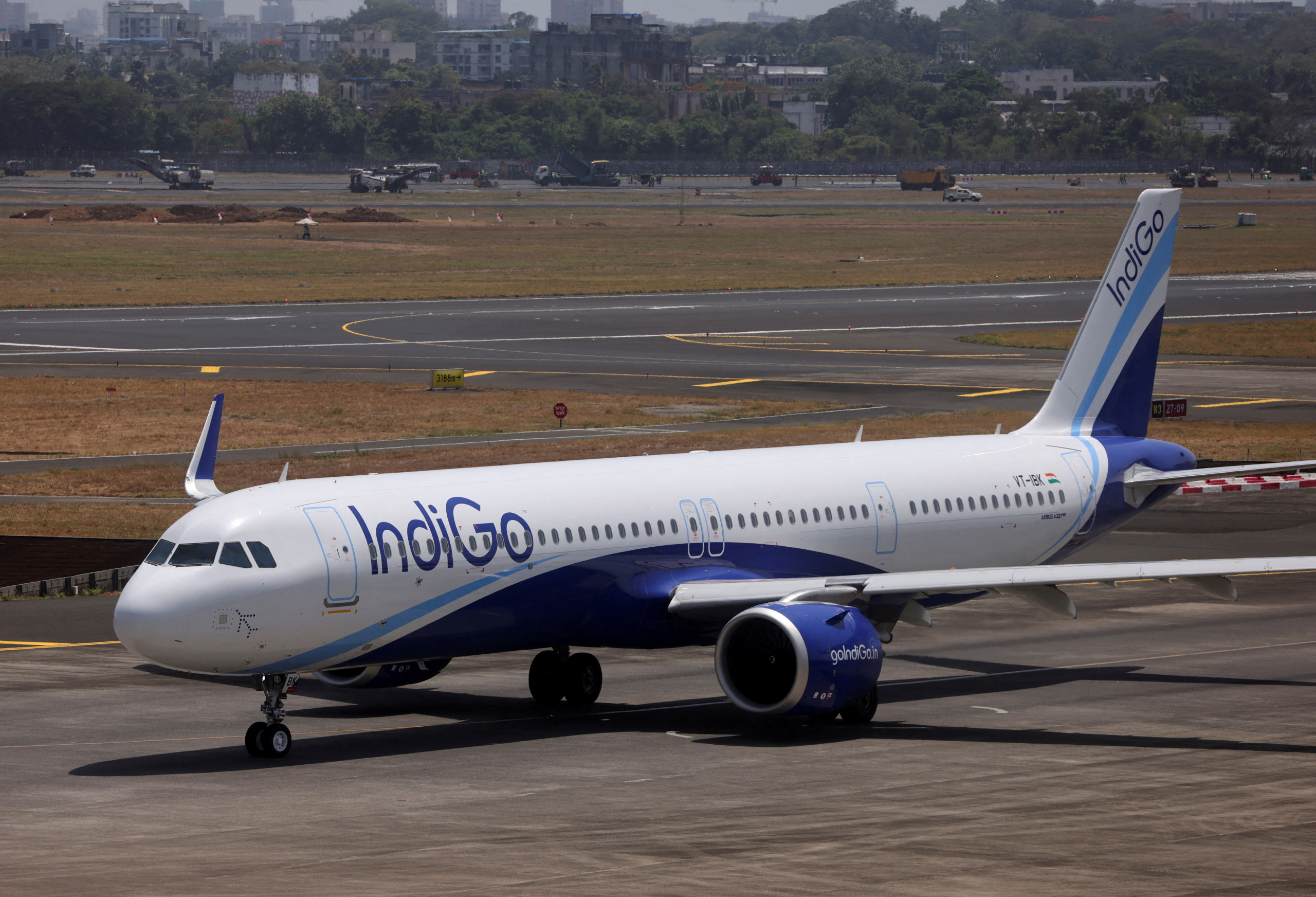
IndiGo, India’s dominant airline with roughly 40 percent of all domestic flights, is reducing the number of aircraft in its fleet as global cost pressures mount. The airline that built its reputation on rapid expansion and low fares is now cutting capacity, a significant shift after two decades of growth. The reduction reflects challenges hitting airlines worldwide, from surging fuel prices to expensive aircraft maintenance.
Jet fuel costs remain substantially higher than pre-pandemic levels. Aircraft engines require maintenance that costs millions per repair. Labour expenses have climbed as airlines compete for experienced pilots and crew members. These pressures arrive at a moment when too many airlines are competing for the same passengers, forcing ticket prices down and making operations harder. IndiGo’s decision to reduce flights is both a response to these economics and a signal that growth cannot continue at the pace of recent years.
This matters directly for Indians who fly. Fewer IndiGo flights means fewer seats available across the market. When the largest airline cuts capacity, ticket prices typically rise, particularly during busy travel periods when demand exceeds available seats. The reduction also reduces passenger choice, since IndiGo’s dominance means its decisions shape the entire competitive landscape. Smaller competitors often respond to the market leader’s moves, amplifying the effect.
IndiGo’s position today reflects how quickly fortunes can shift in aviation. The airline expanded aggressively when competitors struggled during the pandemic. It ordered hundreds of new aircraft. It captured market share relentlessly. That success created a problem: the airline became heavily dependent on maintaining high growth. Now, with global pressures mounting and growth slowing, the business model requires adjustment.
Other airlines globally are managing similar challenges. Air India, Vistara, and international carriers are also dealing with elevated costs and softer demand. Some are delaying aircraft deliveries. Others are retiring older planes. The sector-wide pressure suggests these are structural shifts, not temporary disruptions. The airline industry will eventually adapt, as it always has, but the adjustment period carries costs for both operators and passengers. IndiGo’s next moves will reveal whether this capacity reduction is temporary or marks a longer restructuring of Indian aviation.
Source: Business Standard