



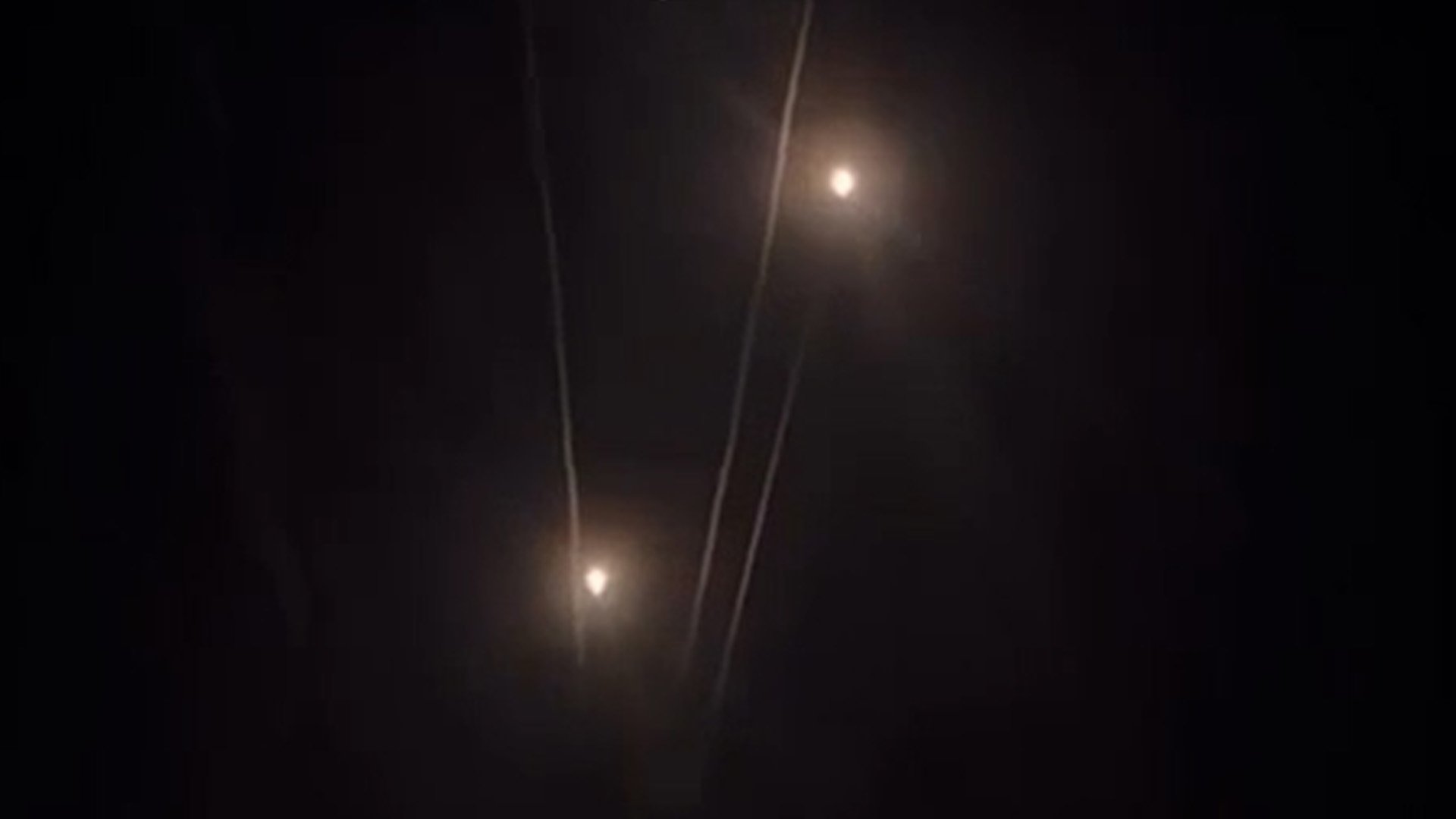
Iran launched a barrage of missiles at US military installations in Jordan on Monday, marking a significant escalation after a five-day pause in hostilities. The US Central Command confirmed that its air defense systems successfully intercepted the incoming missiles, with no immediate reports of casualties or damage to military facilities. The attack comes as tensions remain high across the Middle East, where US forces maintain a significant presence supporting regional operations.
The missile strikes targeted areas where thousands of American military personnel are stationed, including bases near the Syrian border. Jordan has been a key hub for US military operations in the region for decades, hosting advisors and support personnel involved in counter-terrorism efforts. The successful interception suggests that defensive systems have been strengthened in recent months following earlier warnings of potential Iranian action.
This incident reveals the fragility of any temporary ceasefire in the region. The five-day pause, while providing brief relief from active hostilities, has now been broken by direct military action. Iran has previously conducted similar missile attacks against US positions in Iraq, signaling a pattern of escalation that authorities view as dangerous given the risk of miscalculation.
The broader context involves years of US-Iran tensions over nuclear programs, regional influence, and support for armed groups operating across the Middle East. US military presence in the region is extensive, with personnel distributed across Iraq, Jordan, Syria, and other locations. Each attack, even when successfully defended against, demonstrates how quickly situations can deteriorate and raises questions about the sustainability of current force deployments.
For American troops stationed in the region, Monday’s attack represents an immediate threat that has become increasingly routine. Military bases have strengthened air defenses and implemented additional security measures in response to escalating warnings. However, experts note that defensive capabilities, while effective, do not address underlying causes of tension.
The successful interception of missiles may provide tactical reassurance but does little to resolve strategic concerns. Military analysts warn that each exchange increases the risk of an unintended escalation that could draw in additional regional actors and allies, potentially expanding the conflict beyond current boundaries. The situation remains unpredictable, with no clear mechanism for reducing tensions or preventing future incidents.