



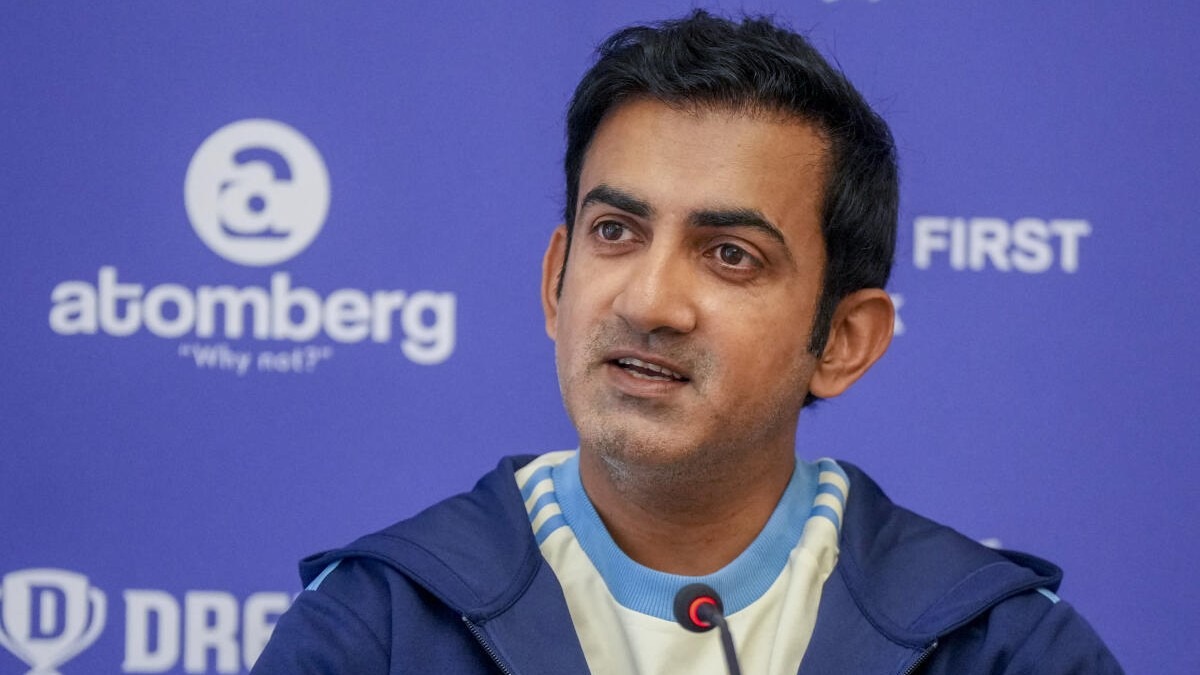
Head coach Gautam Gambhir believes the all-format cricketer is becoming increasingly rare. India’s selection patterns suggest that shift may already be underway.
Speaking to JioStar, the Indian head coach said coaches and selectors would naturally prefer players capable of featuring across Tests, ODIs and T20Is. However, he expects “very few three-format players in the coming times” as workload management, rotation and format-specific preparation increasingly shape selection.
A look at India’s selection patterns through a Three-Format Dependency Index (TDI) supports part of that argument.
The metric measures the percentage of a country’s matches a player featured in across Tests, ODIs and T20Is during a year. His TDI is then determined by the lowest of those three percentages. In other words, a player who features regularly in two formats but rarely in the third receives a low score.
What did an all-format star look like?
India in 2018 provides a useful benchmark. Virat Kohli played 13 Tests, 14 ODIs and 10 T20Is. With India playing 20 ODIs that year, Kohli featured in 70% of them and remained a regular across all three formats, producing a TDI of 52.6.
The number shows how demanding the all-format role was even during an era associated with several multi-format stars.
By 2022, the pattern had become more fragmented. India played seven Tests, 24 ODIs and 40 T20Is. Rishabh Pant emerged as the clearest three-format regular, playing all seven Tests, 12 ODIs and 25 T20Is for a TDI of 50.
Kohli followed at 45.8, Shreyas Iyer at 42.5 and Axar Patel at 33.3.
The numbers do not show a simple, uninterrupted decline. They do show how difficult it is for one player to remain central across three formats as the international calendar expands.
2026 shows the split becoming clearer. India’s selections this year underline the growing separation.
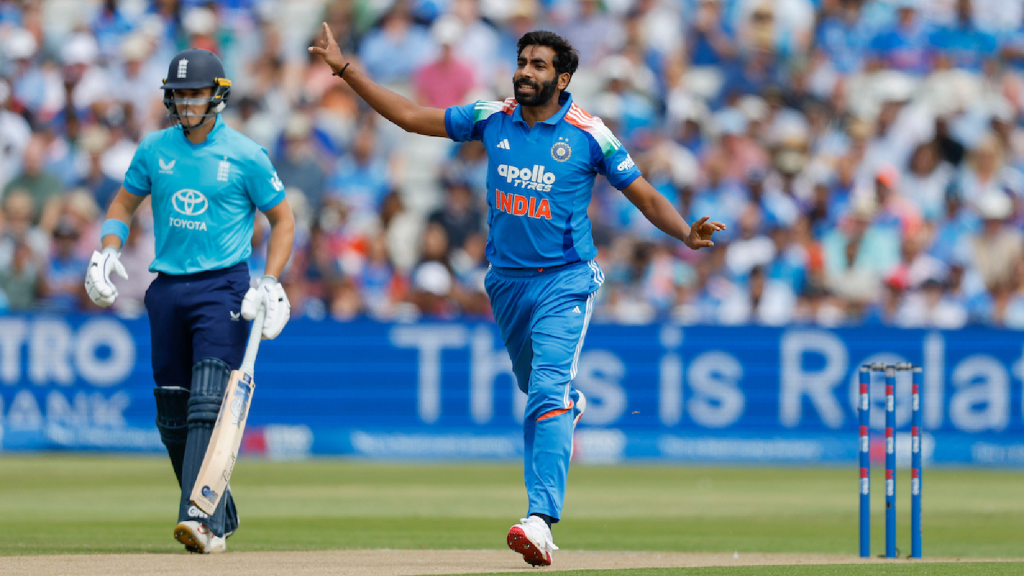
Shubman Gill has played Tests and ODIs but no T20Is. Jasprit Bumrah has featured in ODIs and T20Is but not Tests. Axar Patel and Washington Sundar have similarly operated across white-ball cricket without Test appearances.
Kuldeep Yadav has played all three, but one Test, three ODIs and four T20Is hardly represents the old model of an indispensable all-format player.
The distinction matters. Three-format cricketers have not disappeared. What is becoming rarer is the three-format core player: someone expected to remain central to India’s Test, ODI and T20I teams simultaneously.
Gambhir’s warning, therefore, may be less about the death of the all-format cricketer and more about the changing definition of one.