



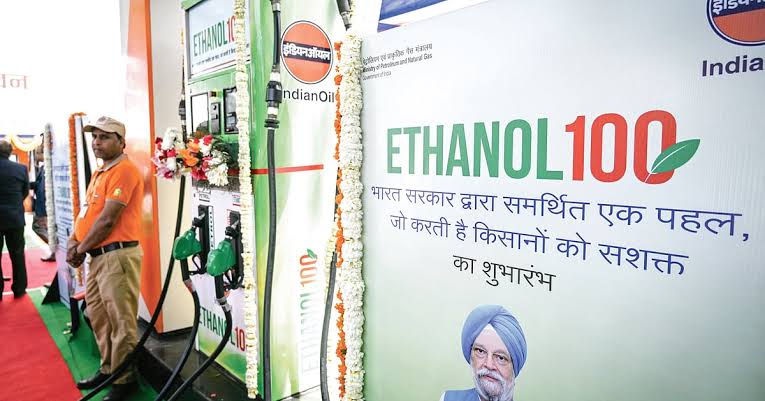
Karnataka has urged the Centre to introduce greater transparency in the sale of ethanol-blended petrol after independent laboratory tests found ethanol concentrations of up to 31.2% in fuel samples collected across the state.
In a letter dated November 17 to Union Petroleum and Natural Gas Minister Hardeep Singh Puri, Karnataka Food, Civil Supplies and Consumer Affairs Minister Rizwan Arshad called for ethanol content to be disclosed at petrol pumps and printed on fuel bills. He clarified that the state was not opposed to the Centre’s Ethanol Blended Petrol (EBP) Programme but raised concerns over its implementation and consumer safeguards.
According to Arshad, 11 of the 14 samples tested by independent laboratories contained ethanol above the prescribed 20% blending level. The ethanol content across the samples ranged from 13.5% to 31.2%, indicating significant variation in the fuel being sold.
The state government had inspected 63 retail outlets in September 2026, covering Indian Oil Corporation, Bharat Petroleum, Hindustan Petroleum and MRPL. Of the 63 samples collected, 42 test reports had been received from laboratories designated by oil marketing companies. However, none disclosed the ethanol percentage, prompting the government to commission fresh tests at laboratories accredited by the National Accreditation Board for Testing and Calibration Laboratories (NABL).
Arshad said the government had received complaints from motorists about reduced mileage, rough engine performance, damage to older vehicles and concerns over the quantity of fuel dispensed. He also questioned the presence of high ethanol concentrations in premium petrol sold at around ₹120–140 per litre.
Karnataka has proposed five measures: displaying ethanol content at every petrol pump, printing the percentage on fuel bills, ensuring the availability of E10 and ethanol-free petrol alongside E20, conducting independent NABL-accredited testing, and establishing a compensation fund for consumers whose vehicles are damaged by blending beyond prescribed limits.
The state has argued that the transition to higher ethanol blending must account for fuel infrastructure and vehicle compatibility, alongside consumer protection.
Source: Deccan Herald, DH Online, November 18, 2026.