




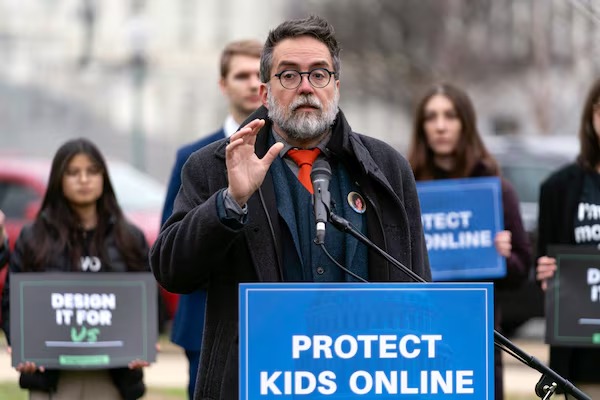
A former engineering director at Meta has testified that Instagram deliberately ignored safety concerns for children under 13 by following what she described as a ‘don’t ask, don’t tell’ approach. According to Mint, the ex-director said the company chose profits and engagement metrics over building protections for underage users on the platform.
The testimony reveals that Meta was aware children were using Instagram but made a deliberate decision not to investigate or acknowledge the problem. This allowed the company to grow its user base without being forced to invest in age verification, safety features, or restrictions on addictive content targeting young people. By not asking questions about underage users, Meta avoided triggering the obligation to act.
This matters because Instagram has over 2 billion monthly users globally, many of them teenagers. When a platform knows young people are present but chooses not to implement safety measures, those children face documented risks. These include exposure to predatory behavior, cyberbullying, and algorithmic feeds designed to maximize engagement regardless of mental health consequences.
The former director’s statement is consistent with earlier revelations about Meta’s internal knowledge. In 2021, documents known as ‘The Facebook Papers’ showed that Meta’s researchers had warned executives that Instagram harms teenage girls’ mental health, increasing body image issues and eating disorder symptoms. Despite this evidence, Meta continued expanding features targeting young users because they drove advertising revenue. The company had research proving harm but chose engagement over safety.
The testimony also exposes how corporate structure can create accountability gaps. By treating child safety as something not to investigate, Meta created a system where no individual decision-maker appears responsible for harm. The company did not officially order anyone to ignore children’s safety. It simply chose a structure where safety concerns would not surface and therefore would not require response. This allows executives to claim they never saw evidence of problems.
For children using Instagram today, the consequences are real. They encounter algorithmic feeds designed to maximize time spent scrolling, exposure to unrealistic beauty and lifestyle standards, and potential contact from adults with harmful intent. The quality of safety protections on a platform directly affects whether these harms increase or decrease.
Meta has stated publicly that it takes child safety seriously. The former director’s testimony suggests these investments arrived only after regulatory pressure and public scandals, not from the company’s original approach. Regulators in India and globally now face a choice about whether to enforce stronger protections or allow the company to determine its own safety standards.