




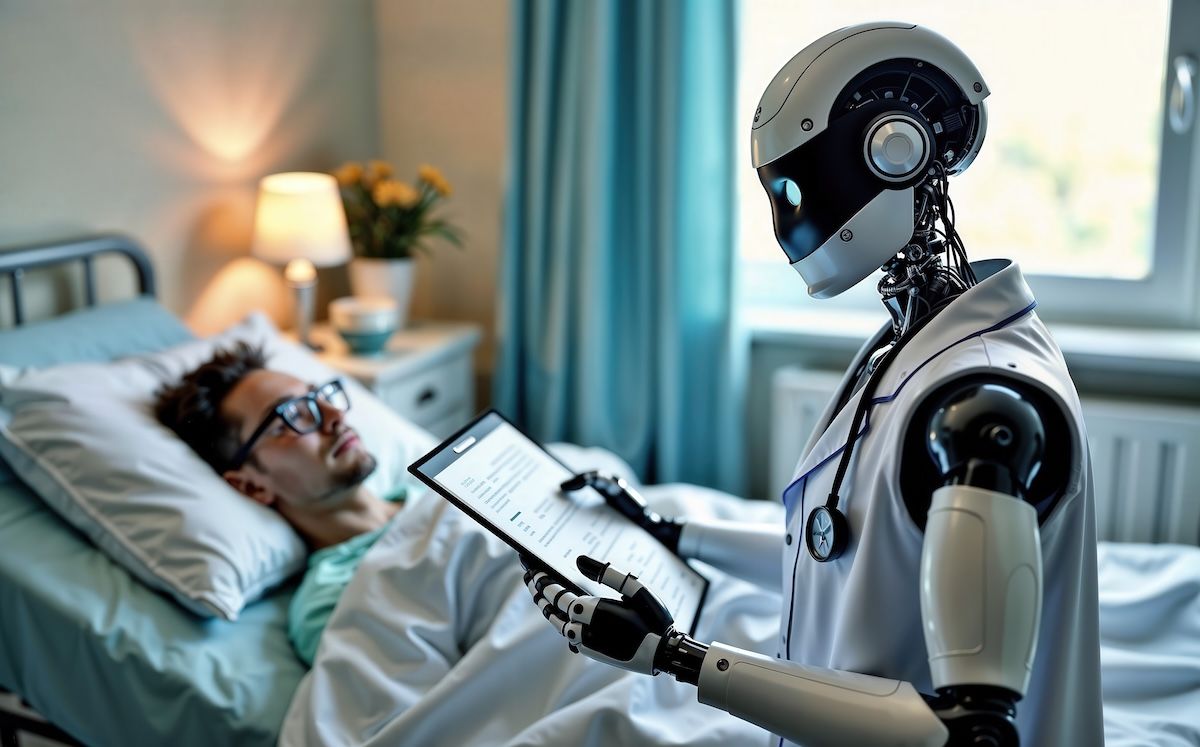
Microsoft says its artificial intelligence diagnostic system achieved substantially higher diagnostic accuracy than generalist physicians in a research study, raising fresh questions about AI’s potential role in healthcare.
The system, called the Microsoft AI Diagnostic Orchestrator (MAI-DxO), was evaluated in a peer-reviewed study published in the journal Science. According to the findings, it outperformed physicians across two groups of medical cases, although the researchers tested it in a controlled benchmark setting rather than routine clinical practice.
The researchers examined 304 clinicopathological conference cases from the New England Journal of Medicine and 325 emergency department-to-admission encounters from the MIMIC-IV-ED database.
For the first group, MAI-DxO achieved diagnostic accuracy of 83.2%, compared with 36.1% for generalist physicians who had access to reference materials. In the emergency department cases, the AI achieved 80.3% accuracy, while the physicians recorded 46.8%.
The system was also assessed on the estimated cost of investigations required to reach a diagnosis. Microsoft said its approach achieved comparable diagnostic work at roughly half to one-third of the cost incurred by the physicians in the evaluation.
Unlike studies that provide AI models with complete patient records at the outset, this research attempted to replicate the sequential process of clinical diagnosis. The system began with an initial complaint, developed a working diagnosis, requested additional information and selected tests while considering their costs.
However, the process relied on a simulated interaction with a gatekeeper agent that supplied information from an existing case record. This differs from real consultations, where doctors must communicate with patients, interpret incomplete information and identify symptoms that may not initially be disclosed.
Microsoft AI chief Mustafa Suleyman told The Verge that he expected significant deployments of intelligent systems in healthcare in the coming year.
The results suggest potential applications in diagnostic support and more efficient testing. However, the study does not establish that the system can replace doctors in clinical settings. Further evaluation in real-world healthcare environments would be needed to assess its reliability, safety and practical usefulness.
Source: Futurism