



When global oil markets shudder, Southeast Asia feels it fast. The region imports a significant share of its energy from the Middle East, and the escalating military tensions involving Iran have forced governments from Bangkok to Manila to confront a vulnerability they have long deferred addressing.
The Exposure Is Structural
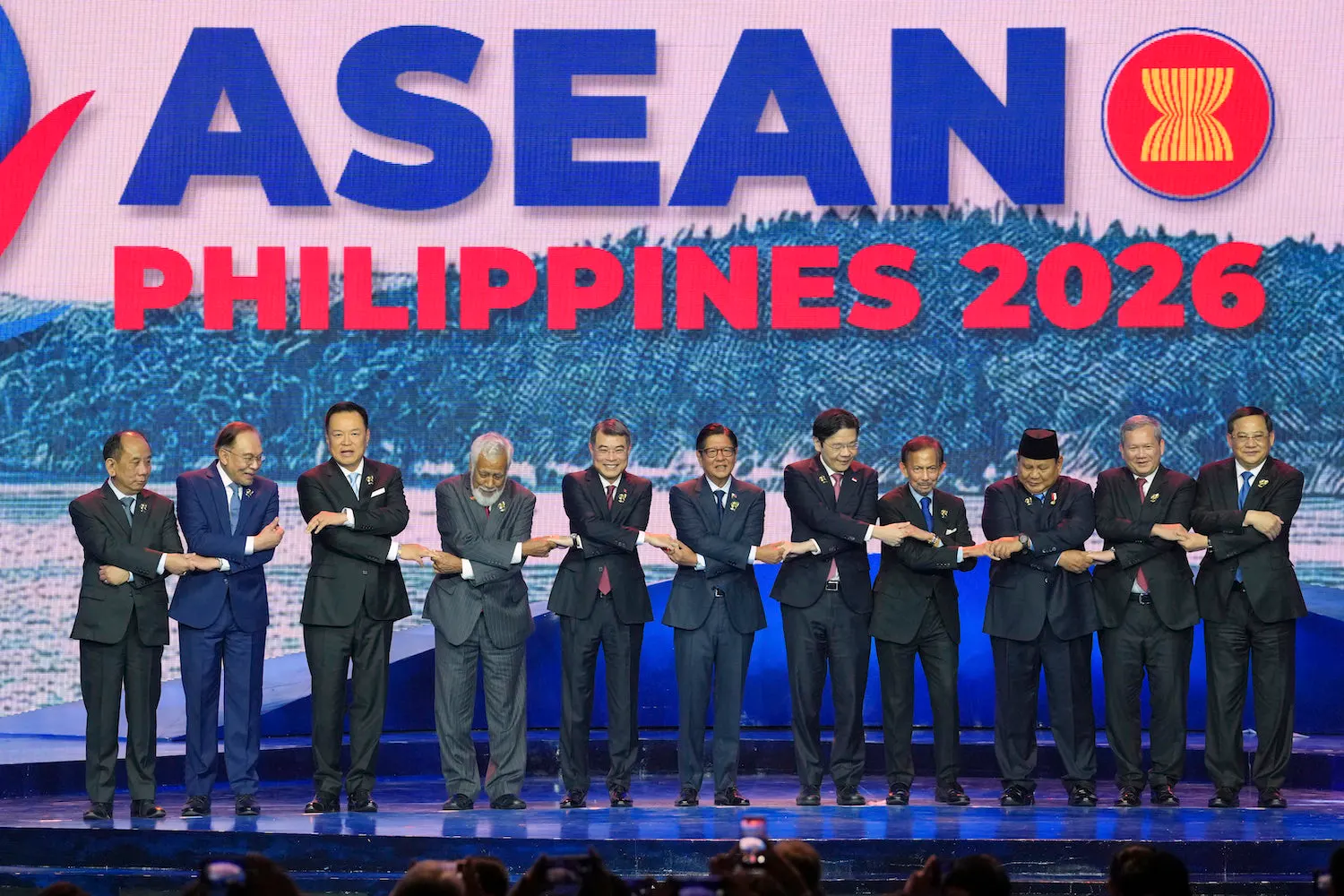
According to Foreign Policy, regional leaders are now in active discussions about building a shared emergency fuel stockpile and accelerating plans for a cross-border power grid. The urgency is not abstract. Southeast Asia collectively consumes roughly 5.5 million barrels of oil per day, a figure that makes any sustained disruption to Middle Eastern supply lines a genuine economic threat, not a theoretical one.
Several member states of ASEAN maintain strategic petroleum reserves that fall well below the 90-day benchmark recommended by the International Energy Agency. The gap between what countries hold and what crises demand has been visible before, during the COVID-19 supply shocks and again during the post-Ukraine sanctions scramble on global energy markets.
What Leaders Are Proposing
The proposals on the table involve two distinct but complementary tracks. The first is an emergency stockpile mechanism, a shared reserve of fuel that member states could draw on if a conflict in the Strait of Hormuz disrupted tanker routes. Roughly 20% of the world’s oil passes through that narrow waterway, and any sustained closure would send prices well beyond what most Southeast Asian economies have budgeted for.
The second track is a regional power grid, which would allow electricity to flow across national borders during supply shocks. Countries like Laos, which generates surplus hydropower, could theoretically export to energy-deficient neighbours during crises. The ASEAN Power Grid project has existed as a concept since the 1990s, but progress has been slow, largely because energy sovereignty remains politically sensitive for most governments in the bloc.
What makes the current moment different is that the Iran situation has added time pressure to a conversation that usually moves at the pace of diplomatic consensus. When the cost of inaction becomes visible in fuel price spikes and power shortfalls, governments tend to move.
The Politics Behind the Pivot
Not all ASEAN members are equally motivated. Singapore, which serves as a major refining and shipping hub, has the most sophisticated energy infrastructure in the region and the most to lose from regional instability. Indonesia and Vietnam, both of which have growing domestic energy needs tied to rapid industrialisation, are watching their import bills closely.
The challenge is that collective energy mechanisms require countries to pool sovereign resources, share data, and coordinate responses in real time. ASEAN’s consensus-based decision-making structure has historically made that kind of integration slow to operationalise. Regional declarations on energy cooperation have been issued at nearly every summit for two decades, yet binding frameworks remain limited.
There is also the question of financing. Building out cross-border grid infrastructure and maintaining shared fuel reserves requires capital commitments that smaller economies in the bloc cannot easily absorb. Development banks and climate finance mechanisms could theoretically fill part of the gap, but those conversations are only beginning.
The Iran tensions have not caused Southeast Asia’s energy vulnerability, but they have made it impossible to ignore at the leadership level. Whether that political attention translates into durable infrastructure is a test the region has faced before and not always passed.