




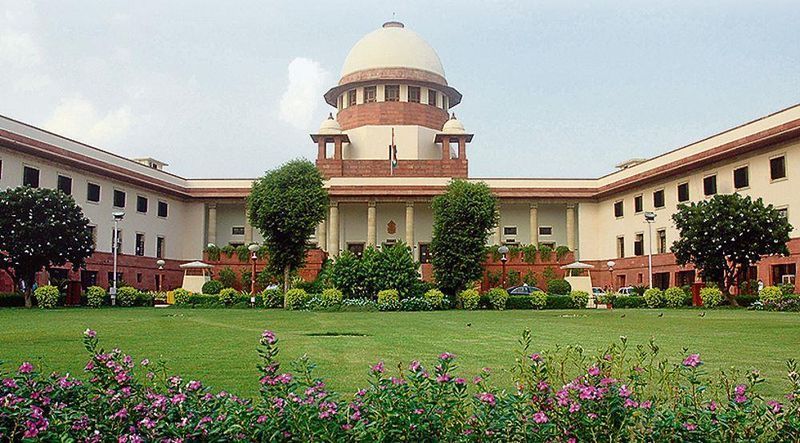
The Supreme Court is set to hear petitions on Monday against alleged police brutality directed at students during the CJP protests over NEET paper leaks. A bench led by Chief Justice of India Surya Kant agreed on July 24 to hear these petitions on July 27 after lawyers brought the matter before the court. The students involved in the demonstrations have filed complaints describing what they say was excessive and unnecessary force used by police.
The NEET paper leak was a significant institutional failure that shook confidence in one of India’s most important medical entrance examinations. Hundreds of thousands of students depend on NEET to enter medical colleges, and the leak suggested serious corruption in the system. Students who took to the streets to protest this breach were exercising their fundamental right to peaceful demonstration, a cornerstone of democratic protest in India.
According to the petitions filed, police response during these demonstrations went beyond managing crowds and crossed into aggressive action against protesters. The exact nature of the alleged brutality will be examined by the Supreme Court when it hears the case. This examination is important because it raises questions about whether police deployed force proportionate to the situation or whether they used methods that violated protesters’ rights.
The broader significance of this hearing lies in establishing police accountability during protests. When citizens, especially students, exercise their right to demonstrate against government or institutional failures, how law enforcement responds sets a precedent. If police can use excessive force against protesters without facing judicial scrutiny, it discourages people from exercising democratic rights. Conversely, when courts examine such complaints seriously, it signals that there are consequences for abuse of authority.
This case also reflects a pattern seen in various protest movements across India, where questions arise about the appropriateness of police response. The Supreme Court taking up these petitions suggests the allegations are significant enough to warrant examination by India’s highest court. The outcome could influence how police handle student protests and demonstrations in the future, making it consequential not just for those involved in the CJP protests but for broader questions about protest rights and police conduct.
Source: The Tribune India