



South Korea is growing anxious about its military alliance with the United States after Donald Trump ordered a reduction in joint military exercises between the two countries. The decision, announced in early 2025, came as part of Trump’s broader strategy to reduce US military spending and shift focus away from what he sees as costly overseas commitments. For Seoul, this move signals uncertainty about whether America will continue to defend South Korea if North Korea attacks.
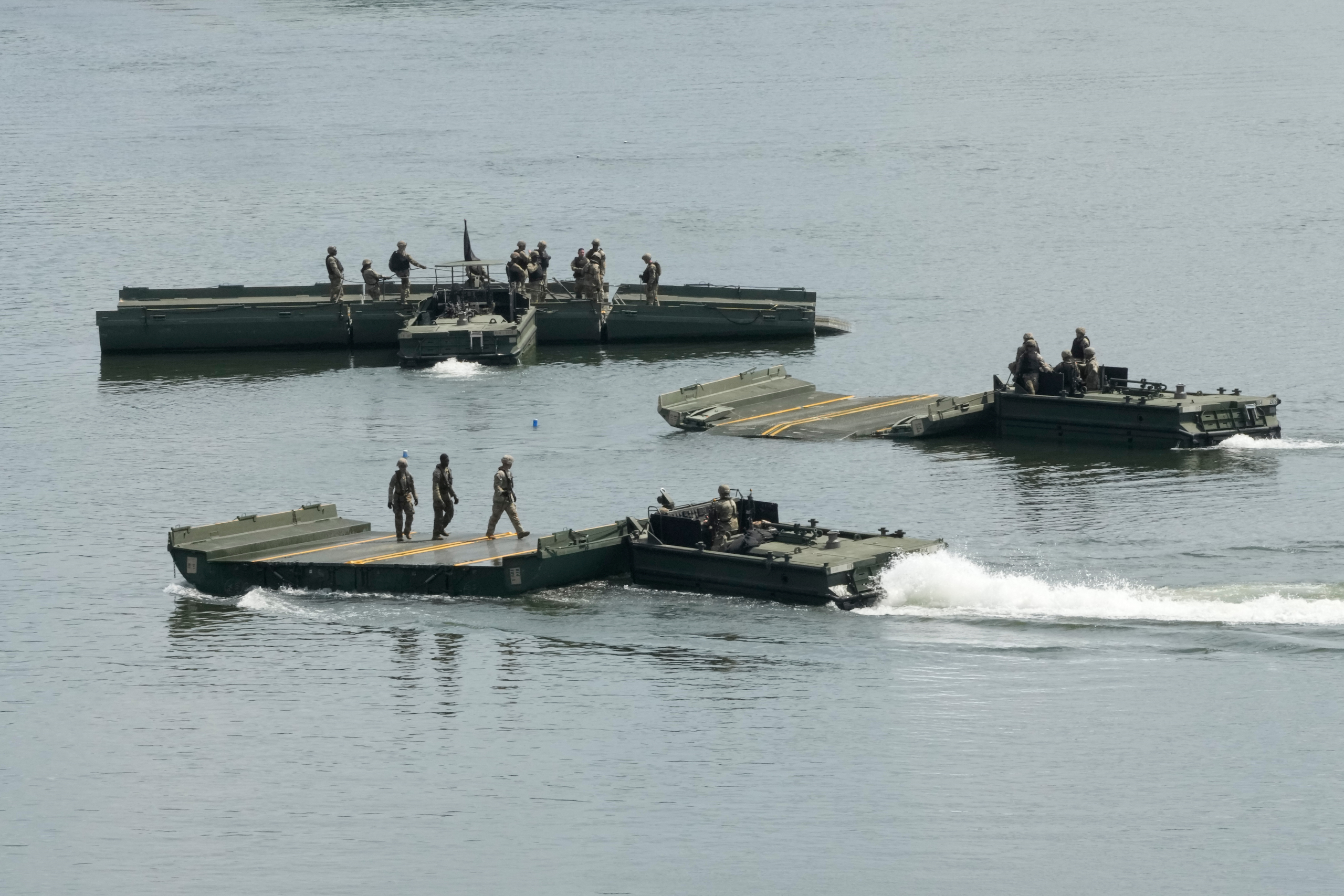
The alarm in South Korea reflects a deeper worry. The US-South Korea alliance has lasted 72 years, since the Korean War ended in 1953. During this time, the United States has maintained around 28,500 troops on the peninsula and conducted regular military drills with South Korean forces. These exercises, held twice yearly, are designed to prepare both militaries for a potential conflict with North Korea. When Trump ordered these drills scaled back, it raised a fundamental question: how serious is America’s commitment to South Korea’s security?
This anxiety has been amplified by Trump’s handling of the Iran dispute. His unpredictable approach to international conflicts, including threats and sudden policy shifts, has made South Korean officials question whether Trump will stick to long-standing security agreements. If he can change course on Iran or other commitments, what prevents him from abandoning South Korea when it matters most?
The timing matters. North Korea has been testing missiles and building its nuclear arsenal steadily. South Korea relies heavily on American military technology and intelligence to monitor the North. Without regular joint drills, both armies risk losing coordination and readiness. The reduction in exercises also sends a signal to Pyongyang that the US-South Korea alliance may be weakening, potentially emboldening North Korea to take aggressive action.
South Korea has spent decades balancing dependence on America with efforts to build its own military capability. The country now has one of Asia’s strongest armed forces. But for a nation living under the constant threat of a nuclear-armed neighbour just 50 kilometres away, losing confidence in American support is not a luxury it can afford. Seoul has already begun exploring options to reduce its reliance on the US security umbrella, including deeper defence cooperation with Japan and other countries.
The broader implication is that Trump’s unpredictability is forcing long-standing American allies to rethink their strategies. For South Korea, this 72-year partnership is now in question not because of a deliberate American withdrawal, but because of uncertainty about whether America’s commitments will remain stable under a leader who treats international alliances as negotiable.
Source: Al Jazeera