



Cricket West Indies (CWI) chief executive Chris Dehring has criticised the financial model governing bilateral international cricket, arguing that it leaves visiting teams without a share of broadcasting revenue generated during tours. His comments have renewed debate over the growing financial divide between cricket’s wealthiest boards and smaller nations.
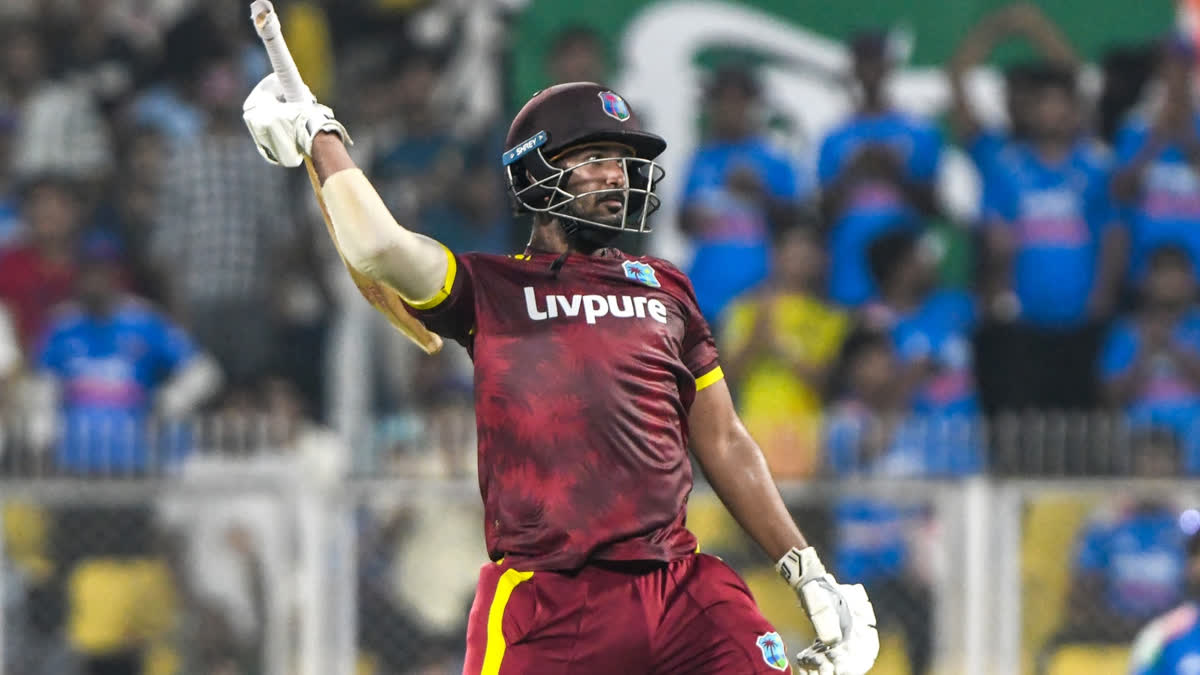
The West Indies are currently playing a T20I series in India, which is level at 2-2 after Shai Hope’s century powered the visitors to victory in the fourth match in Hyderabad. While the series could generate between $20 million and $30 million in India, Dehring said the Caribbean board would receive no revenue directly from it.
“West Indies cricket receives nothing in this case, because the series is being played in India,” Dehring told The Scoop by Wisden Cricket. “A series that could generate $20 million to $30 million in India brings West Indies cricket no revenue.”
Dehring traced the origins of the arrangement to 1997, when nine of the 10 ICC member countries voted to change the financial model underpinning international cricket. Before that decision, host nations generally paid touring teams a guaranteed fee, which could sometimes be more lucrative for the West Indies than staging matches in the Caribbean.
Under the revised system, the host board could retain all the revenue generated from broadcasting rights for bilateral matches played in its territory. Dehring argued that the change disproportionately benefited countries with large populations and lucrative television markets.
“India could retain the revenues generated by a population of one and a half billion people, while West Indies could retain whatever revenues we could generate in Antigua, with its population of around 100,000, or St Kitts, with around 30,000,” he said.
Dehring described the decision as “palpably unfair”, arguing that it removed a major source of income for West Indies cricket. The financial pressure on CWI has continued, with the board facing difficulties in funding its competitions and development programmes.
The concerns come amid wider questions about the sustainability of international cricket outside its biggest commercial markets. Smaller boards must cover the costs of touring, player payments and cricket development while generating significantly less income from their home markets.
The debate also highlights a structural challenge for the sport: bilateral cricket depends on teams travelling across the world, yet the financial rewards are largely determined by where matches are hosted. Dehring’s criticism puts the spotlight on whether the current model can adequately support cricketing nations whose audiences and broadcasting markets are considerably smaller.