



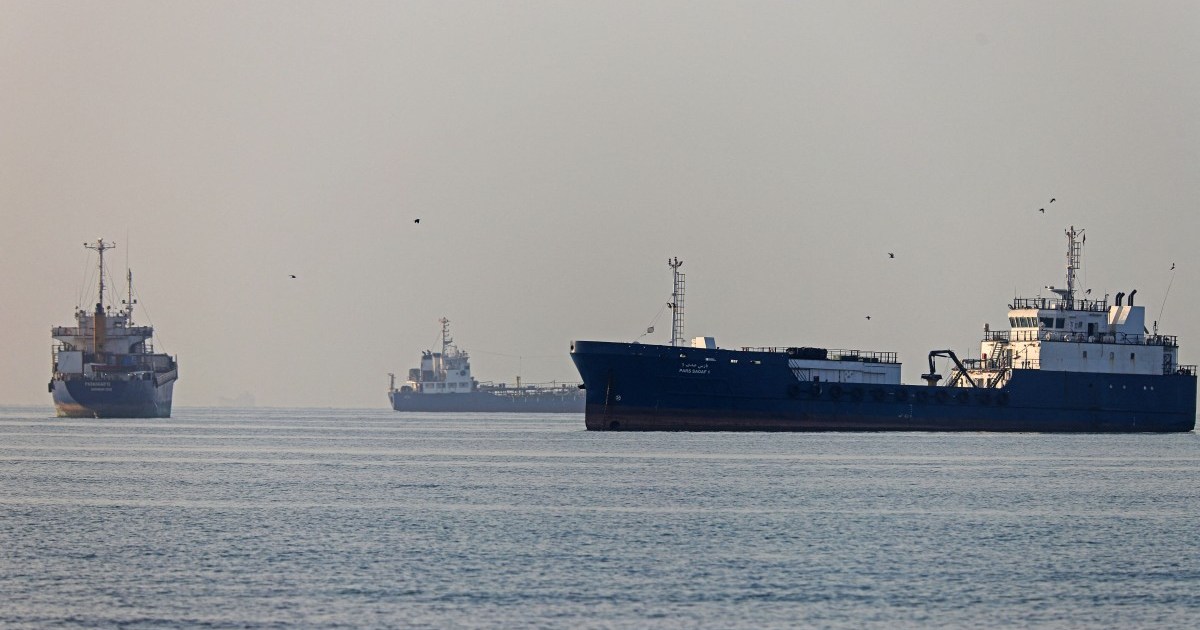
Twenty thousand crew members have been waiting in a kind of maritime limbo for months. Their ships sit stuck in the Persian Gulf, unable to move, unable to leave, unable to go home. The reason is geopolitical tension between two major powers that closed one of the world’s most important shipping routes—the Strait of Hormuz—leaving thousands of ordinary workers trapped in a situation few people knew about.
The Strait of Hormuz is a narrow waterway between Iran and Oman that connects the Persian Gulf to the Arabian Sea. About 20 percent of the world’s oil passes through it, along with countless cargo ships carrying everything from electronics to food. When US-Iran tensions escalated and the strait effectively closed to regular shipping, all movement halted. Ships already in the gulf couldn’t leave. New ships couldn’t enter. Crew members—mostly from countries like the Philippines, India, Ukraine, Myanmar, and other nations—remained aboard vessels waiting for a resolution that took months to arrive.
The human cost was immediate and severe. Sailors ran short of fresh food and water. Medical emergencies occurred with no way to evacuate patients to proper hospitals. Some ships lost power in extreme heat. Families in home countries received no clear information about when their relatives would return. The psychological toll of being confined aboard a ship with no timeline for release accumulated week after week.
According to reporting from Al Jazeera and maritime advocacy groups, these crew members faced what amounts to workplace abandonment. Shipping companies couldn’t move their vessels, so they couldn’t remove crew members for relief or replacement. No international body stepped in with sustained pressure or aid. The situation persisted in the background while headlines focused on US-Iran diplomacy, not the trapped workers.
The International Maritime Organization, which oversees global shipping standards, raised formal concerns about crew welfare. Seafarers’ unions documented cases of insufficient supplies, untreated illness, and psychological distress. Yet the crisis remained largely invisible to ordinary news consumers outside shipping and trade industries.
Now a deal between the US and Iran has shifted the situation. The agreement allows limited shipping to resume through the Strait of Hormuz, creating a pathway for trapped vessels to finally move. This doesn’t mean instant freedom for all 20,000 crew members—ships still need official clearances and new routing schedules—but it marks the end of a hard stop that left people stranded.
Maritime advocates describe the deal as essential. For the crew members themselves, it means an end to indefinite confinement and a possible return home or at least transfer to new assignments. For shipping companies, it means vessels can resume operations and generate revenue again. For global supply chains, it means a critical chokepoint can function again.
What this crisis revealed is how invisible workers become when geography and politics intersect. These sailors were doing essential work—moving goods that supply stores and factories worldwide—when a geopolitical conflict stopped everything. No one was forced to account for their welfare. No government claimed responsibility. Shipping companies had no financial incentive to spend money on trapped crew when they couldn’t move their ships anyway.
The sailors themselves had little ability to protest or demand change. They depend on their jobs and cannot simply walk away from their ships. They’re not permanent residents of any single country, making it harder for any government to claim them as its responsibility. This gap between their essential role in global commerce and their lack of political voice meant they remained stranded for months with minimal coverage or intervention.
The US-Iran deal, whatever its other implications, restores normal maritime traffic. Trapped vessels can finally navigate the strait. Crew members can finally go home or receive proper relief. The situation illustrates both how connected the world has become—how one geopolitical dispute affects 20,000 people far away—and how easily ordinary workers in global supply chains can be overlooked when politics takes center stage.
Source: Al Jazeera